 PlantPal
Rubber plant wilting: causes and what to check
For a rubber plant, wilting often follows dry potting mix, but waterlogged roots can cause similar drooping. First feel the mix several centimetres down and lift the pot before deciding whether to water.
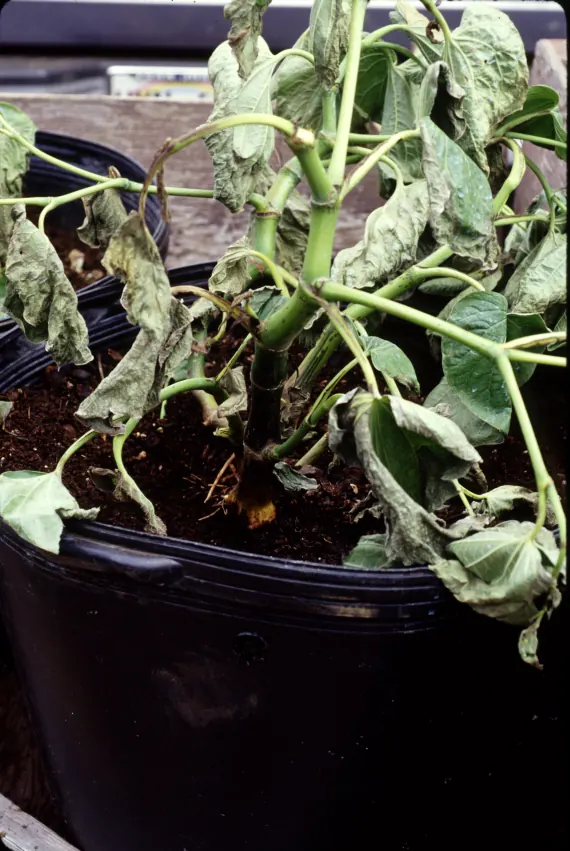
Why it happens on a rubber plant
Native to tropical parts of South and Southeast Asia, Ficus elastica grows as an upright evergreen tree with thick, leathery leaves. Its leaves can stay firm through a short dry spell, so wilting alone is not a reliable signal to water. The roots need air as well as moisture; mix that stays wet can impair root function and make the leaves droop.
Likely causes, most common first
Dry potting mix
How to tell. If the pot feels unusually light and the mix is dry several centimetres below the surface, lack of water is likely. Leaves may look limp or curl slightly. Check beneath the top layer, since a dry surface alone does not show the moisture around the roots.
What to do. If the mix is dry through the root zone, water it thoroughly until water drains from the holes. Let the pot drain fully and empty any water collected in a cover pot or saucer. Check the mix again before watering next time.
Wet mix or poor drainage
How to tell. A heavy pot, persistently wet mix, or water standing in an outer pot points to excess moisture or poor drainage. Roots deprived of air can struggle to take up water, so leaves may droop even though the mix is wet.
What to do. Empty standing water and pause watering while the mix remains wet. Check that the pot has open drainage holes. If it stays wet for a long time or the plant continues to wilt, slide out the root ball and check for soft, dark roots.
Temperature or position change
How to tell. If the mix is neither very dry nor wet, consider a recent cold draft, a cold window, or a sudden move. Rubber plants can droop after abrupt changes in temperature or light. Check whether the wilting began after a change in the plant's position.
What to do. Move the plant to a steady, warm spot with bright indirect light, away from cold drafts and cold glass. Avoid moving it repeatedly while it adjusts. Keep watering based on the mix's moisture rather than adding water in response to drooping alone.
Root crowding or root damage
How to tell. Roots packed tightly around the root ball can leave little mix to hold water, so the pot may dry unusually fast. If the plant wilts while the mix is wet, look for damaged roots too; healthy roots are generally firm, not soft and mushy.
What to do. If roots densely circle the root ball, repot into a container only slightly larger, with drainage holes and fresh potting mix. If you find soft, dark roots, remove damaged portions with clean tools and use a potting mix that drains freely.
When it is normal
A single lower leaf that slowly yellows and drops as the plant grows can be ordinary aging. Whole-plant drooping, or limp leaves that do not recover, calls for a check of the mix and roots.
Keeping it from coming back
Use a pot with drainage holes and let excess water drain away; do not leave the pot standing in water. Before watering, feel the mix below the surface and check the pot's weight. Keep the plant in bright indirect light and away from cold drafts or abrupt temperature changes.
The general guide
For any plant, see Why is my plant wilting?. For everyday needs, see Rubber plant care.