 PlantPal
A CLOSER LOOK
Plant care guides.
Helpful starting points for the changes you notice.
Common plant problems
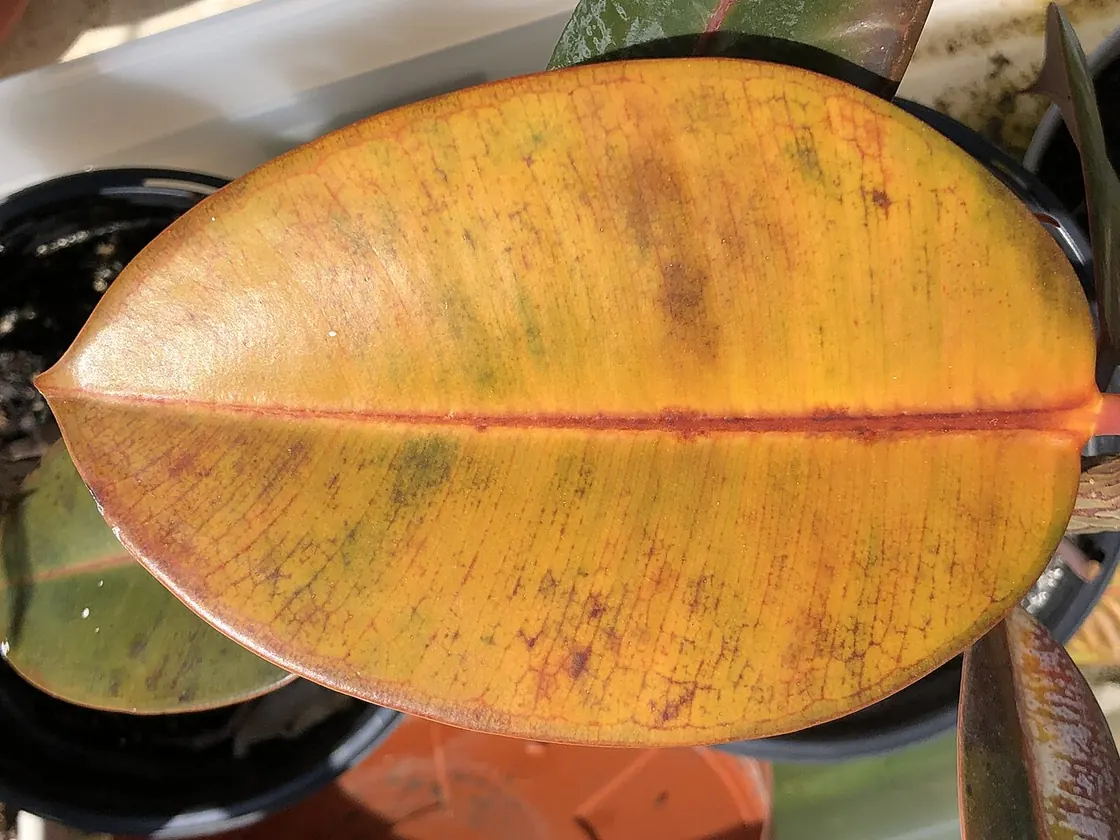
Why are leaves turning yellow?
One aging leaf can be normal. Several yellowing leaves call for a closer look.
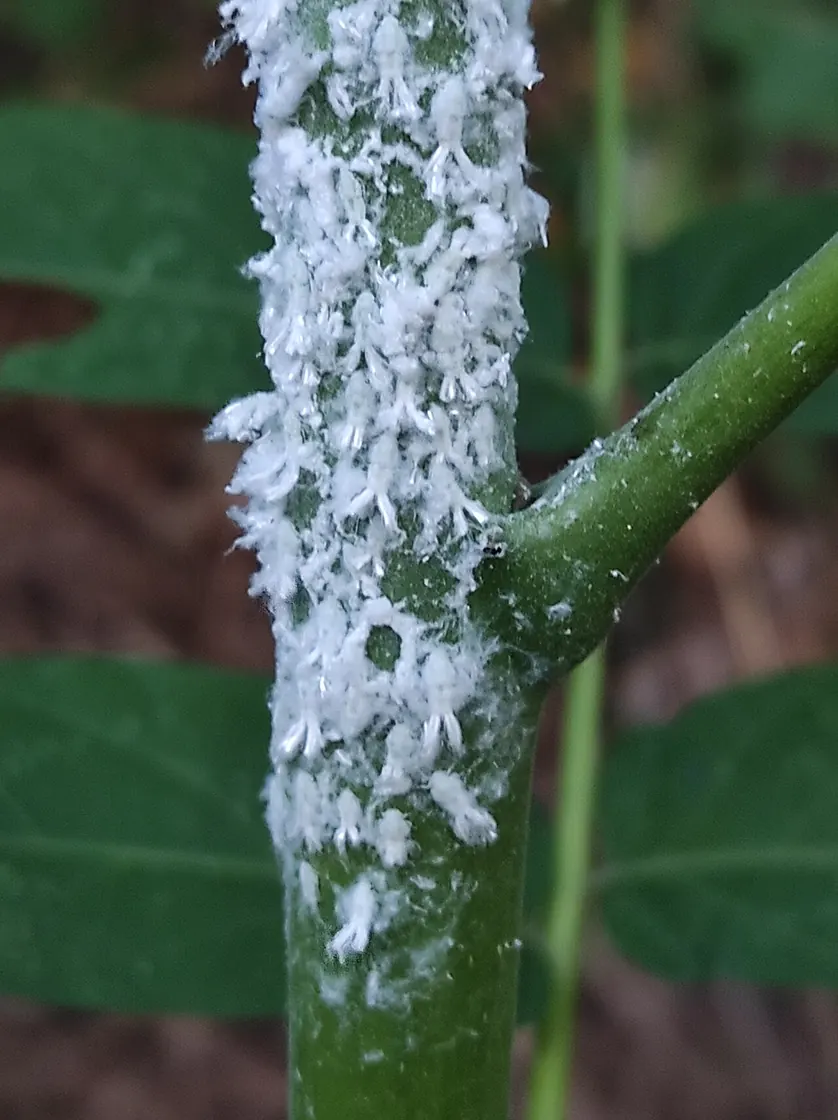
Cottony clumps: check for mealybugs
Look for white, waxy insects where leaves meet the stem.
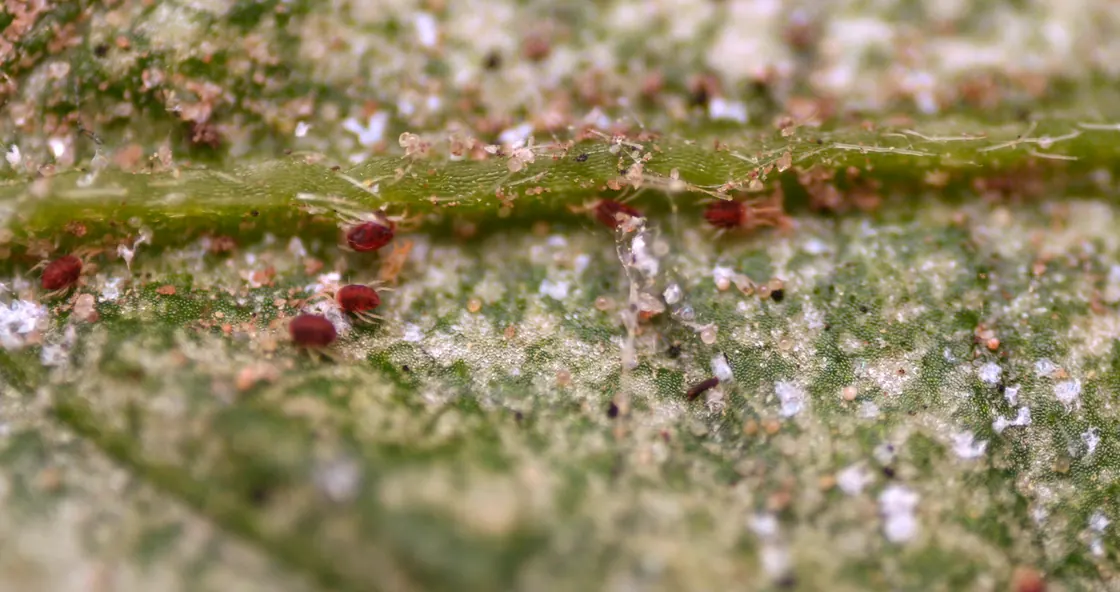
Speckled leaves: check for spider mites
Tiny moving dots under the leaf are more telling than a web on its own.
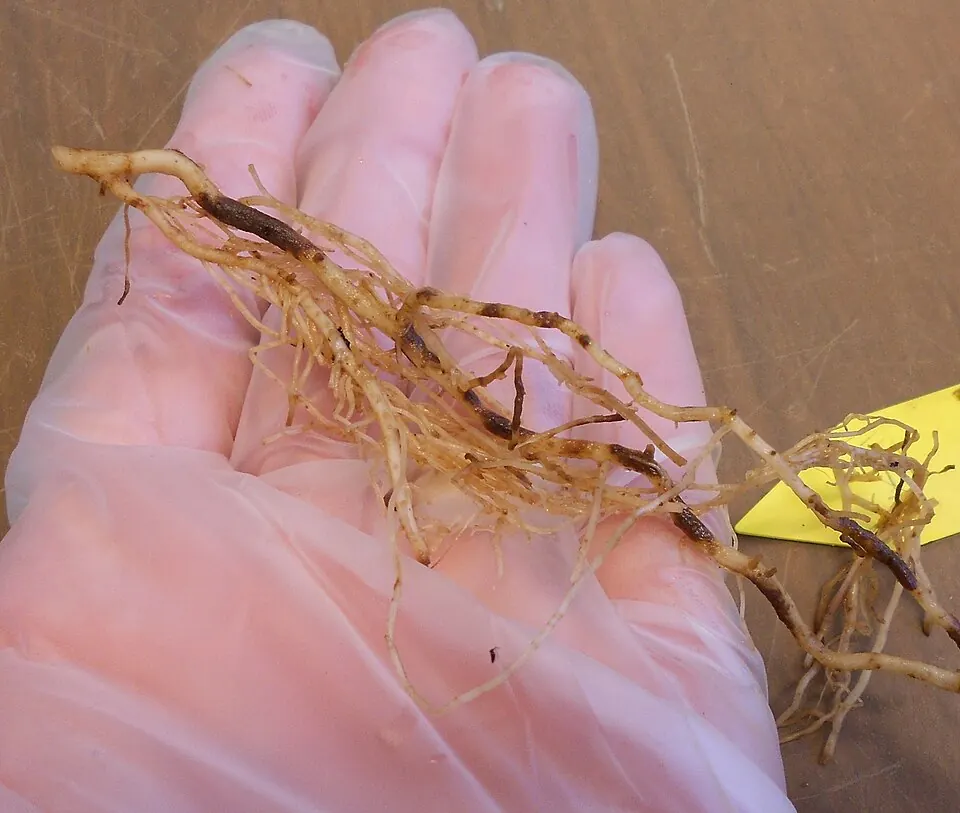
Could it be root rot?
If the plant wilts in wet mix, check whether the roots are firm or mushy.
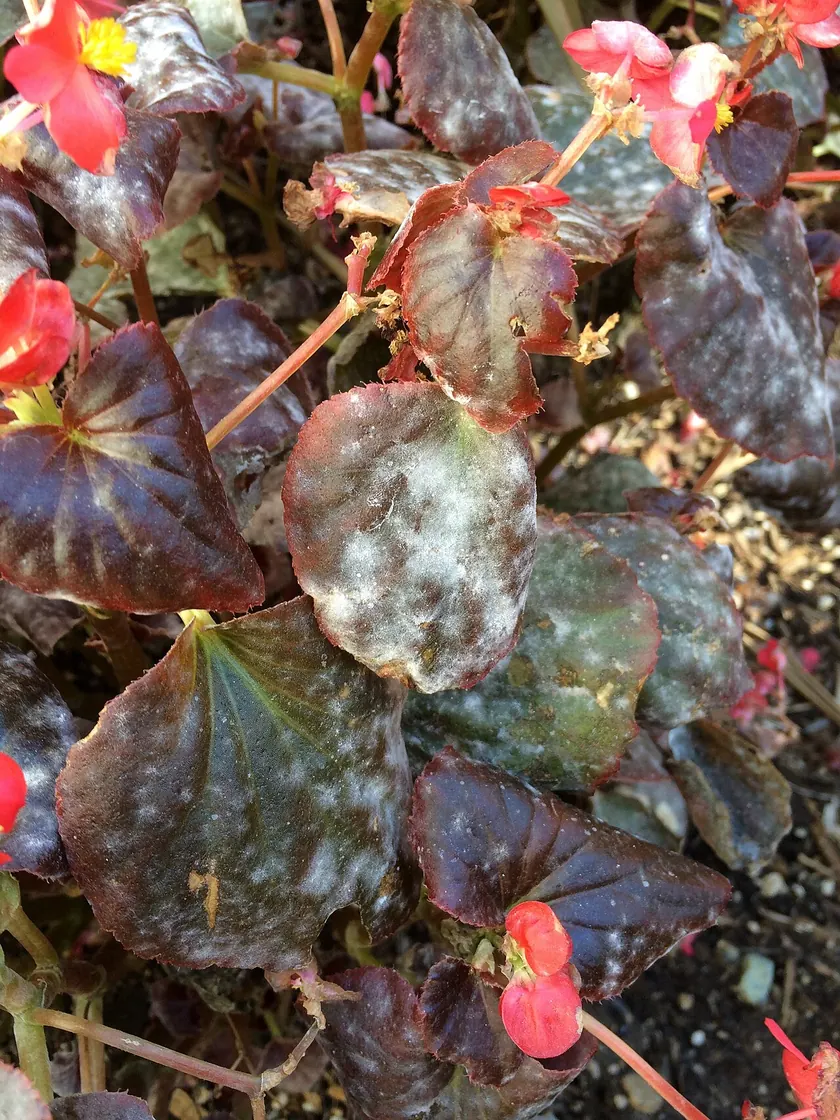
White dust on leaves: powdery mildew?
Look for spreading powdery patches. Dried water marks and mealybugs can look white too.
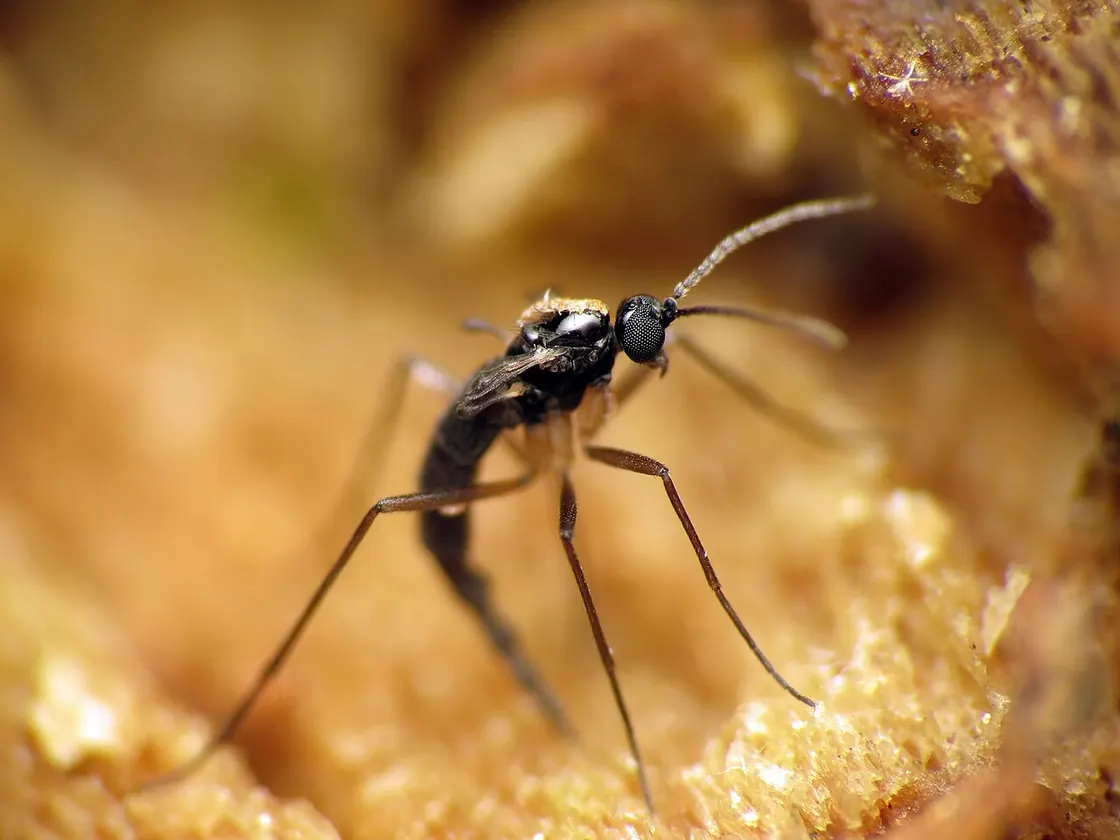
Little black flies around the pot
Check whether the flies gather by damp soil or by fruit and drains.
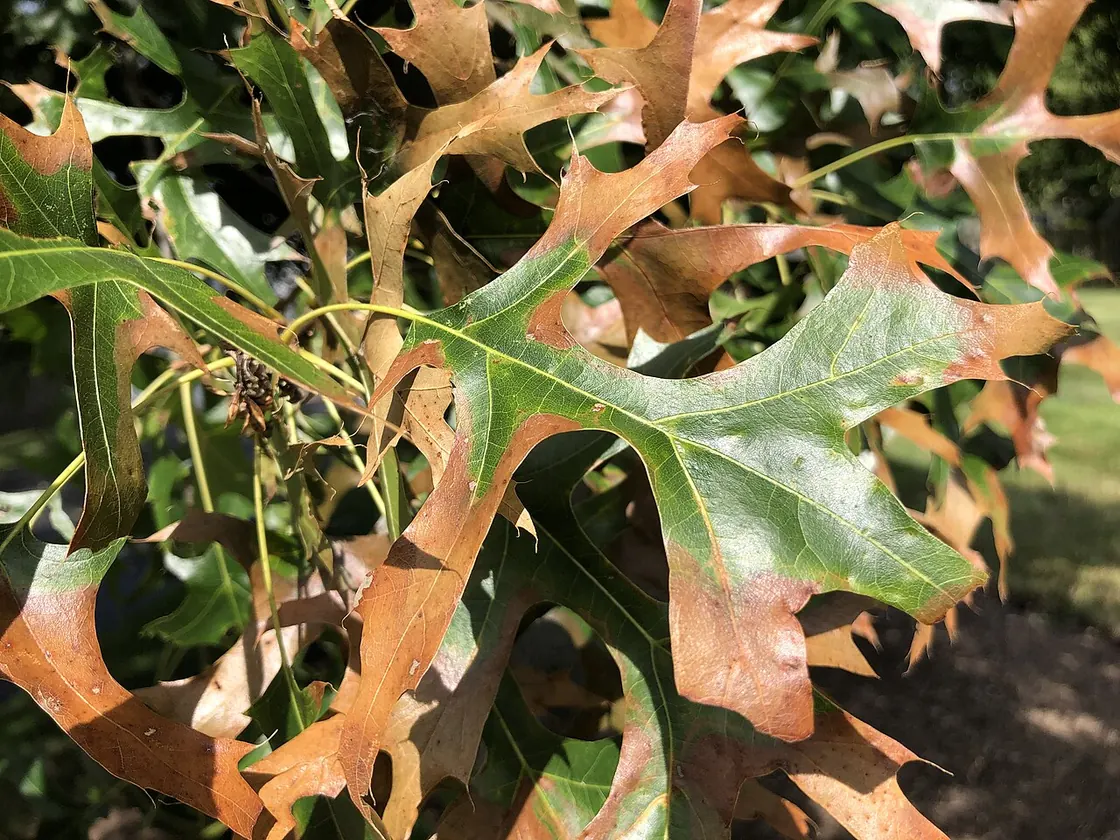
Brown leaf tips and edges
Start with soil moisture and recent fertilizer use before changing the humidity.
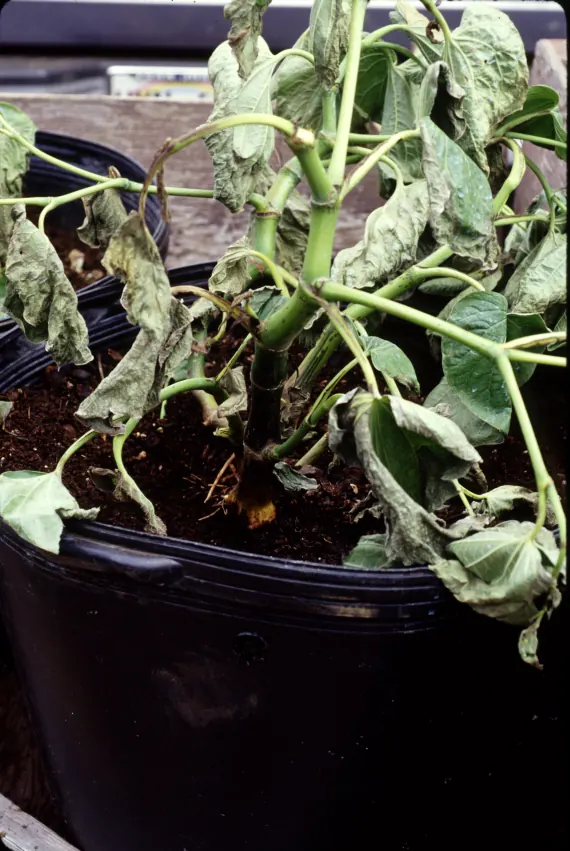
Why is my plant wilting?
Feel below the surface before watering. Wet roots can make a plant droop too.
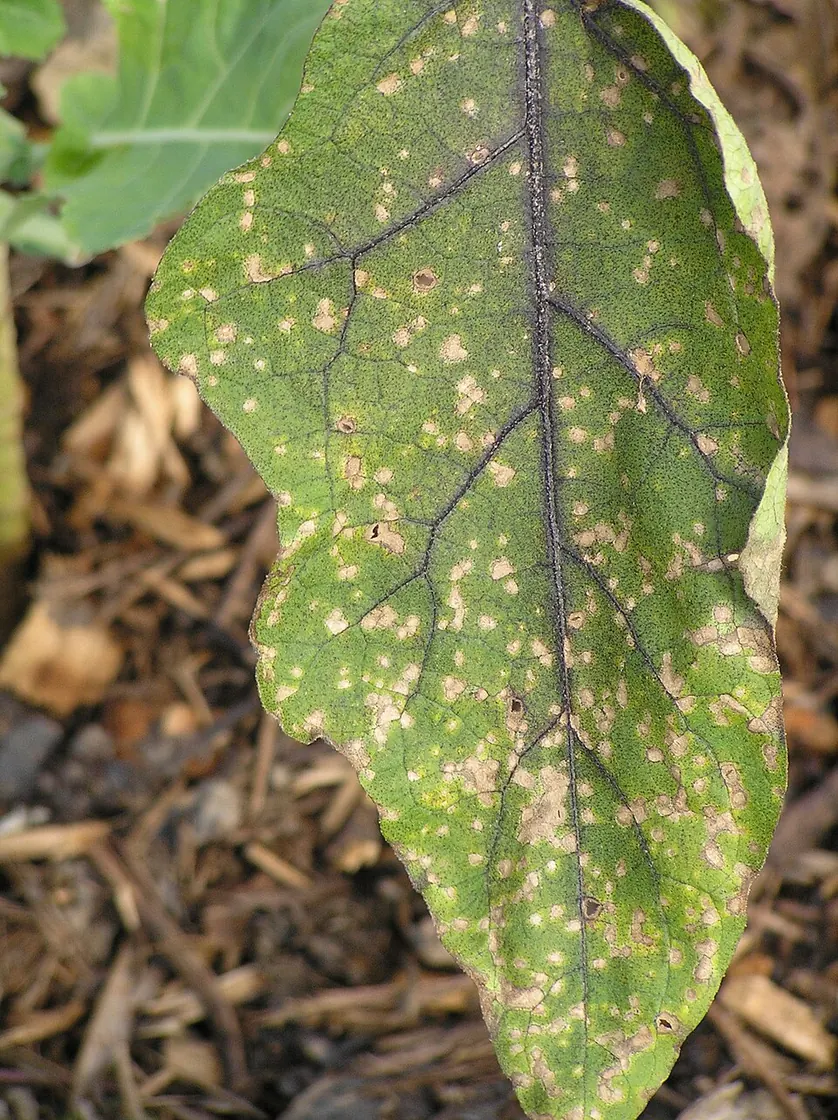
Brown or black spots on leaves
Check whether the marks are spreading. A dry mark on one leaf and new wet spots need different responses.
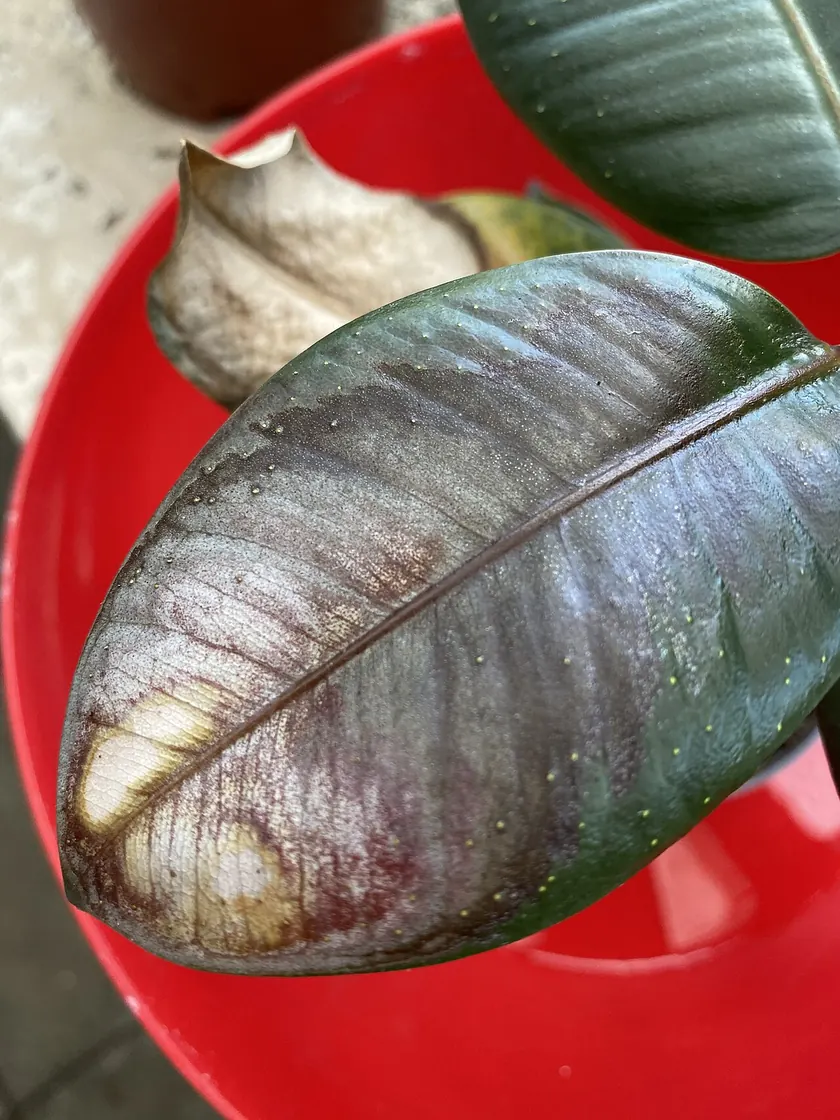
Pale patches after a move into sun
Look at the side that faces the light. A sudden change can leave dry, bleached patches.
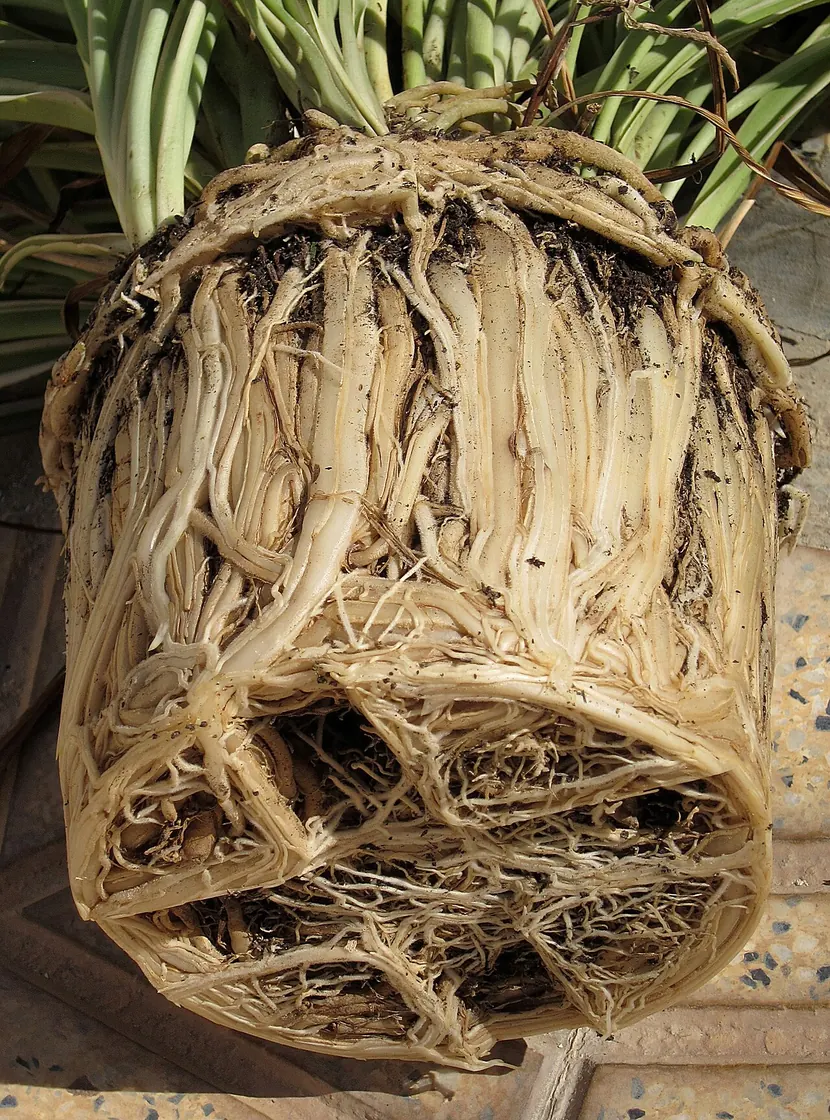
Have the roots outgrown the pot?
A root at the drainage hole is a clue. Check how densely the roots fill the pot.
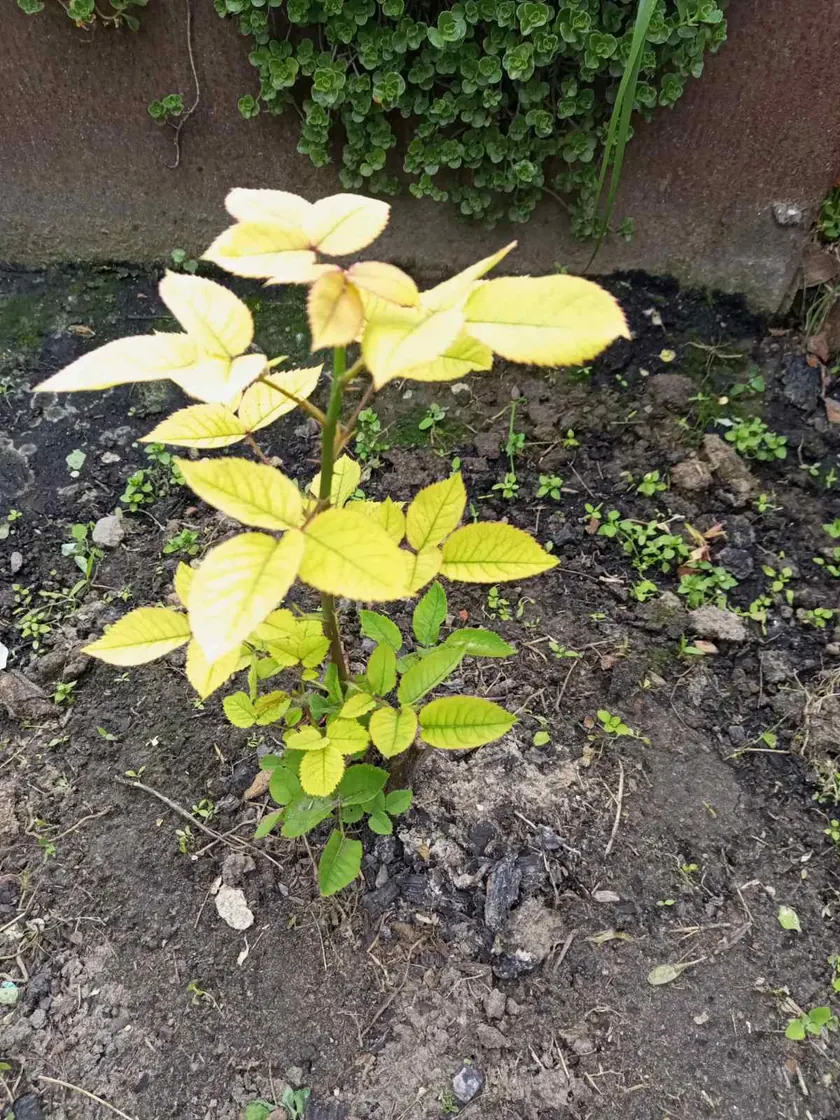
Yellow leaves with green veins
Check which leaves are affected first. Green veins alone cannot tell you what nutrient is missing.
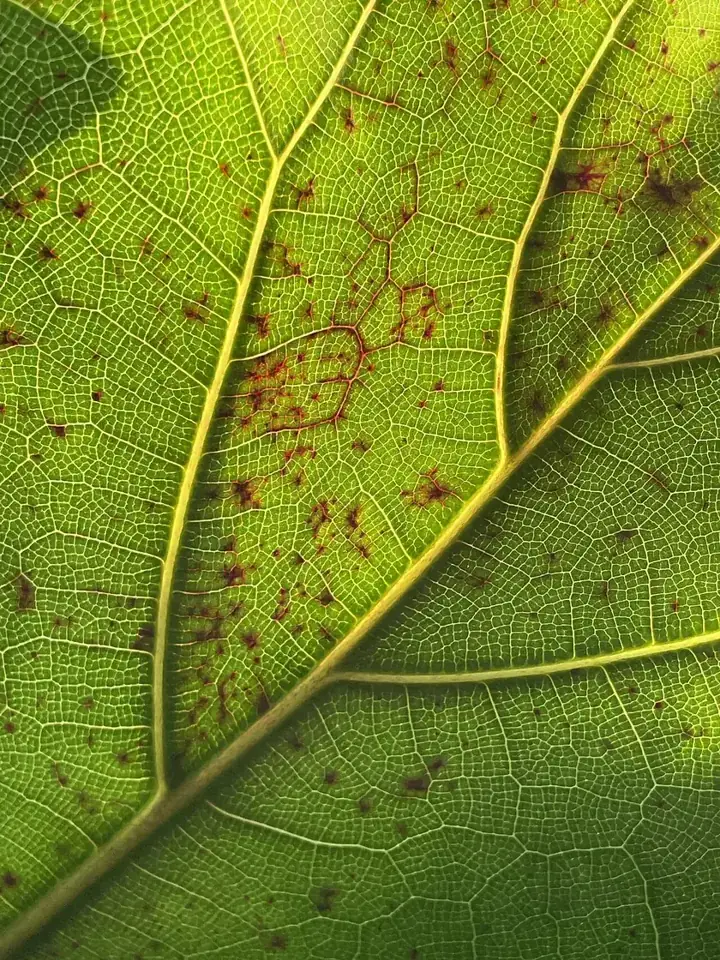
Blisters or corky bumps on leaves
Firm bumps that are part of the leaf may be edema, a response to a water imbalance.
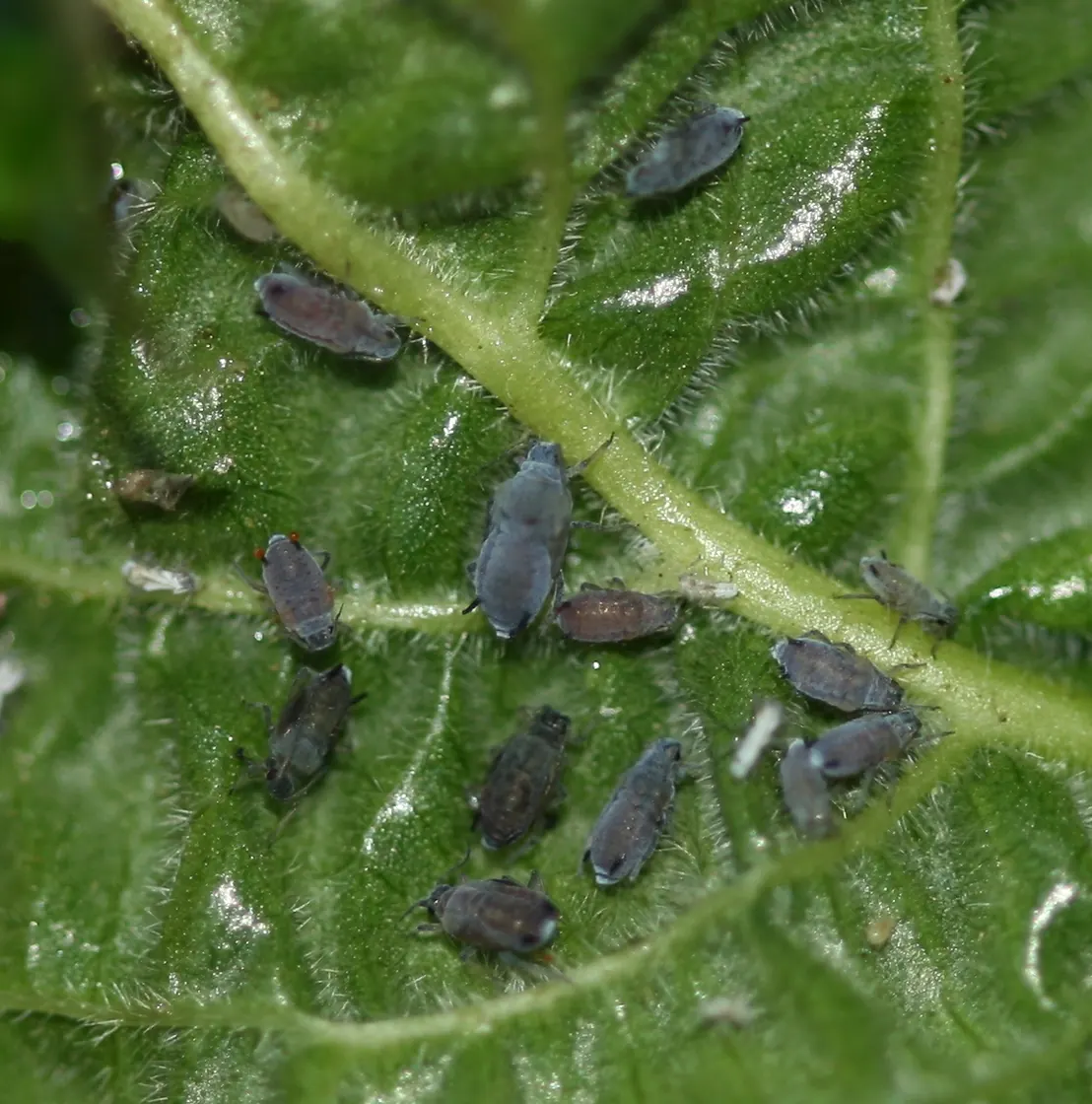
Why are the leaves curling?
Check the newest leaves and their undersides before you change the care routine.
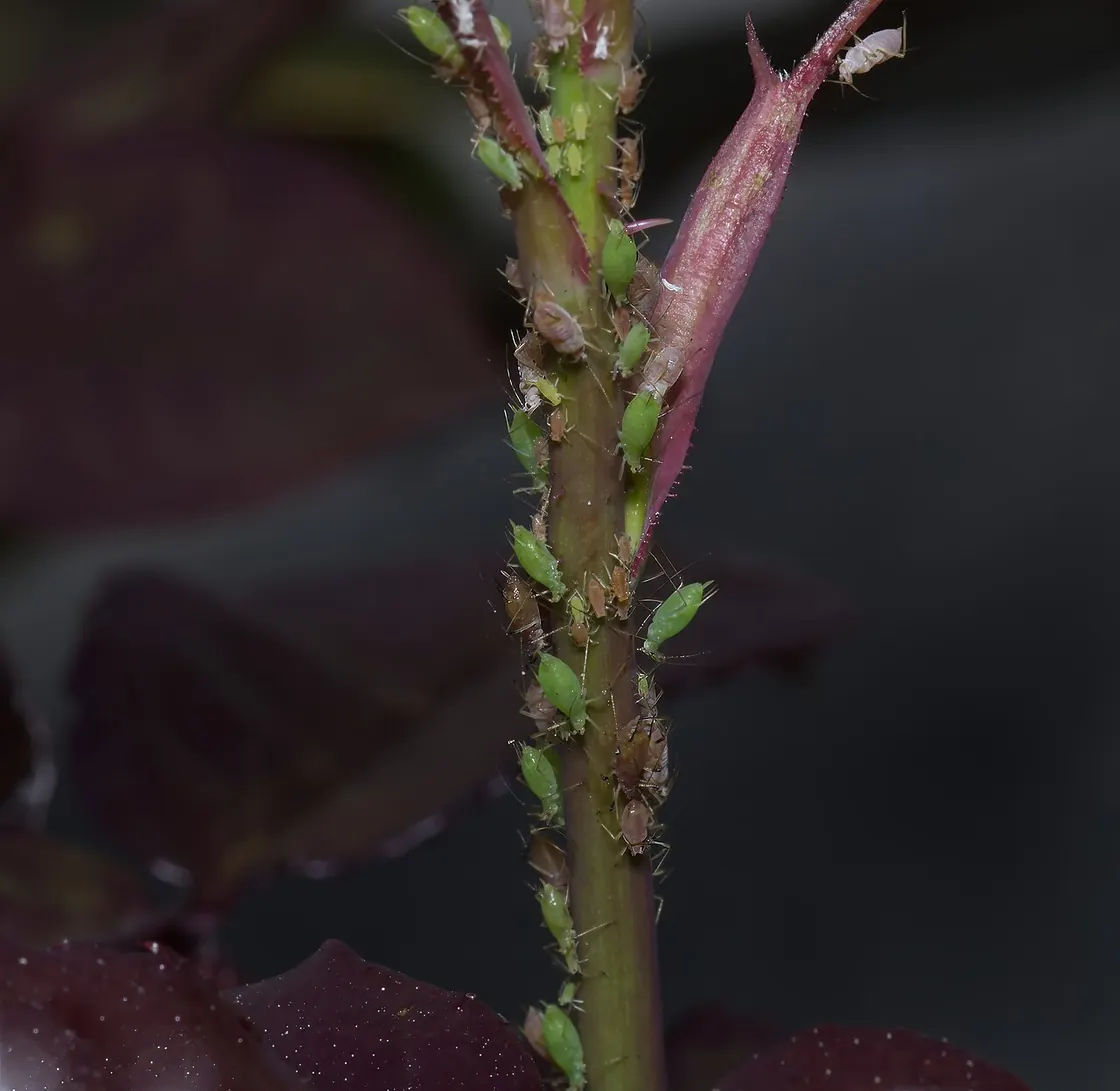
Aphids on tender growth
Check crowded buds and soft shoots for small, pear-shaped insects.
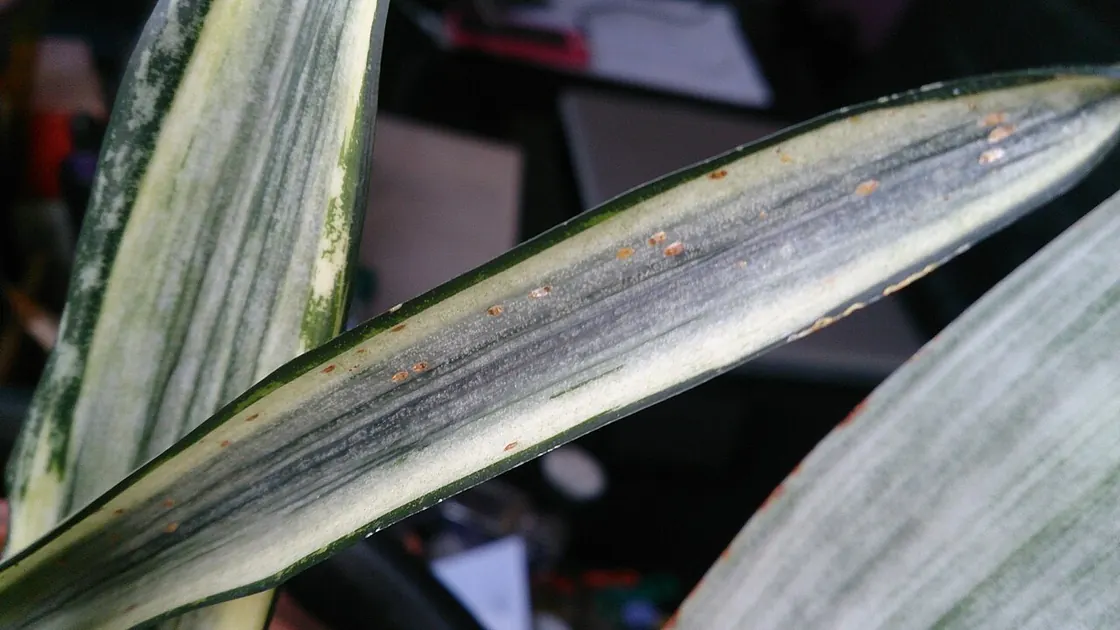
Hard bumps on stems: check for scale
Scale insects can look like small shells stuck to stems or leaves.
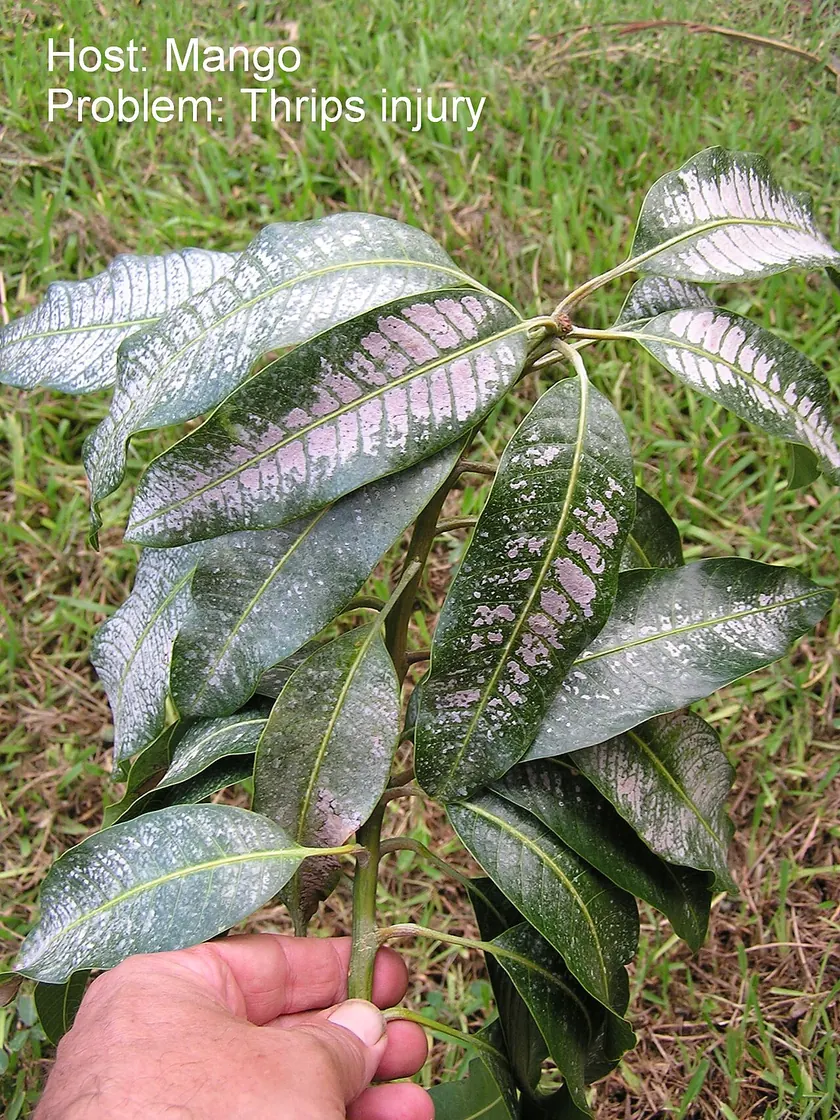
Silvery streaks: check for thrips
Look for narrow moving insects and tiny black specks on new leaves or in flowers.
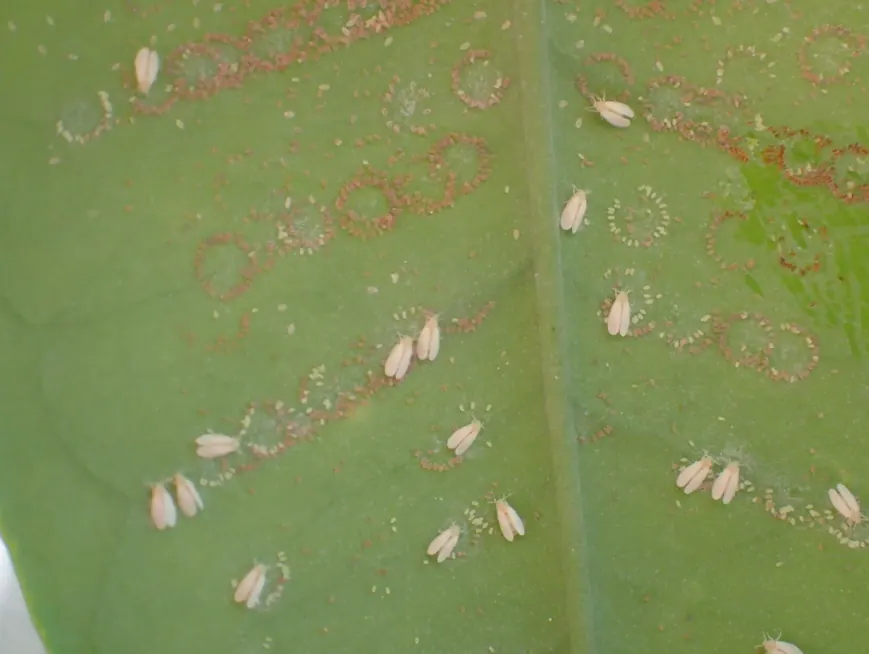
Tiny white flies under leaves
Gently move a leaf and see whether white insects lift off and settle again.
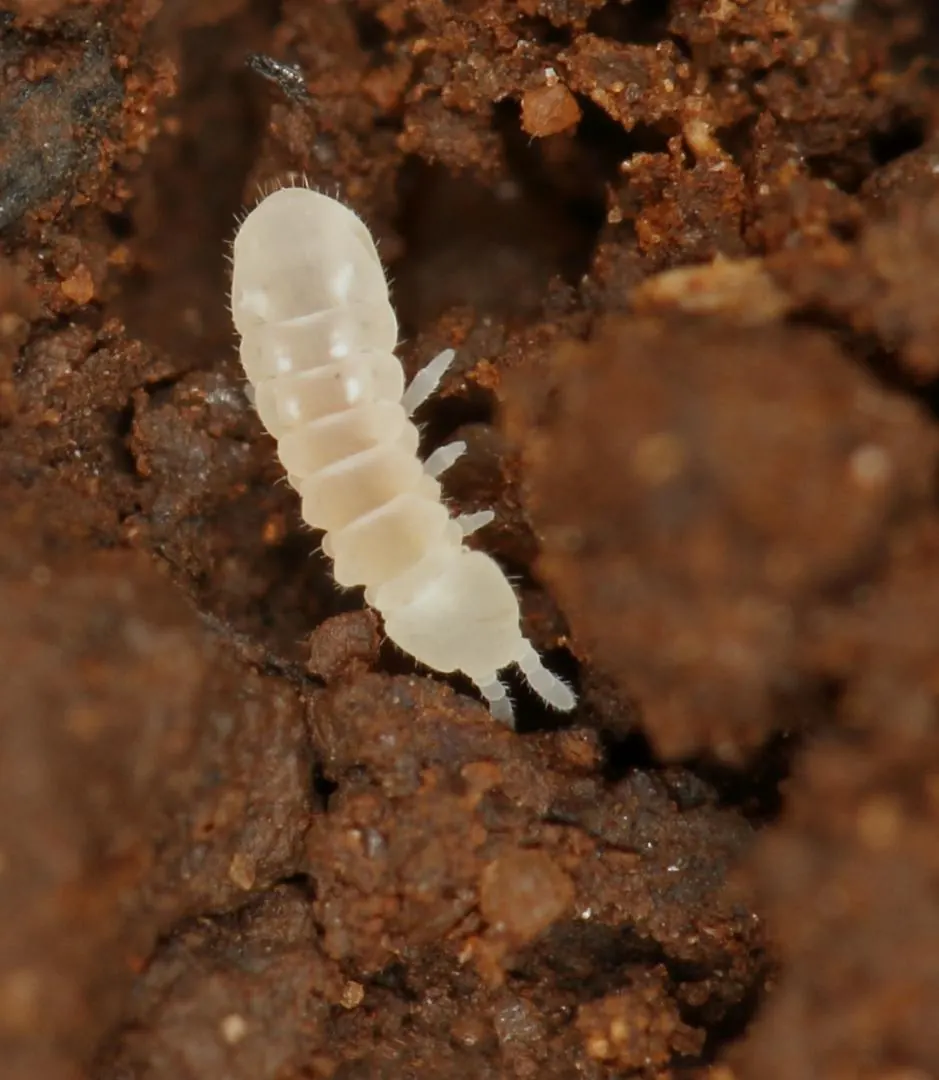
Tiny jumpers on the soil
If they jump when disturbed and the plant looks healthy, they may be harmless springtails.
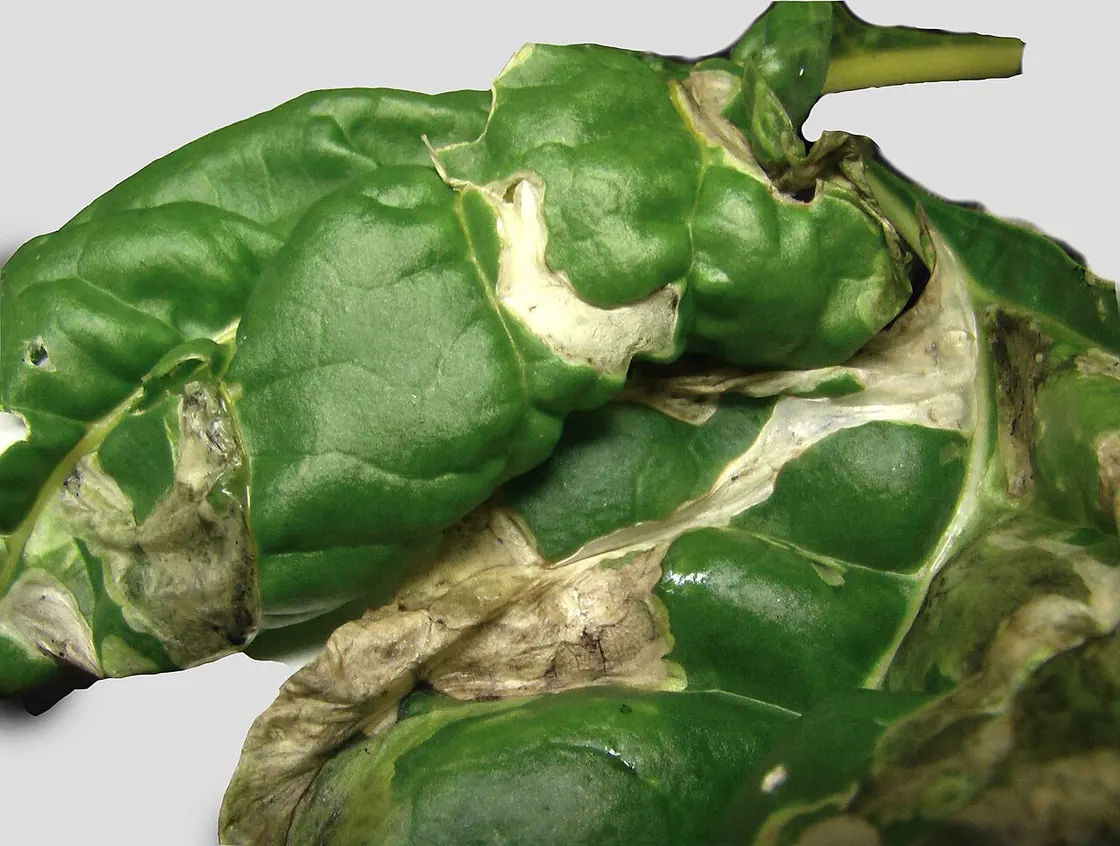
Winding pale trails inside leaves
A trail inside the leaf can be a leaf mine. Check whether fresh trails are still forming.
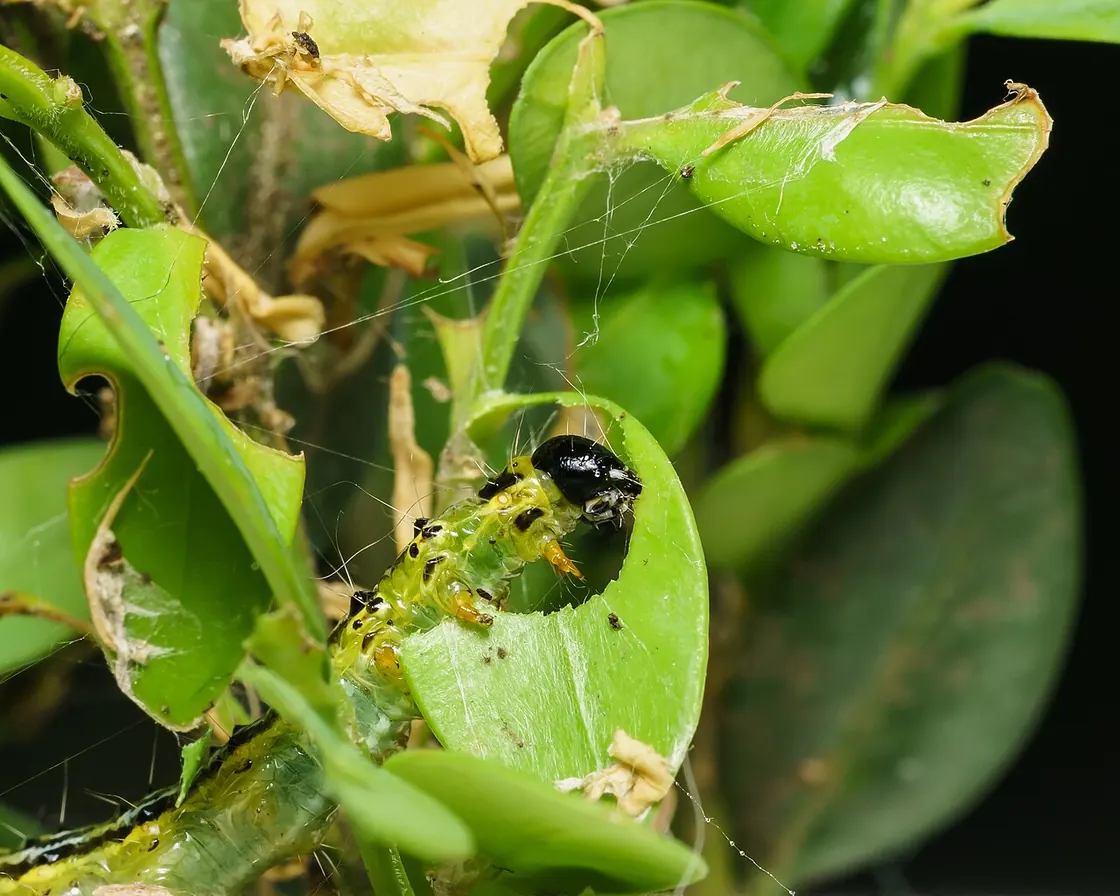
Fresh holes or chewed leaf edges
Check for a live chewer before treating old holes.
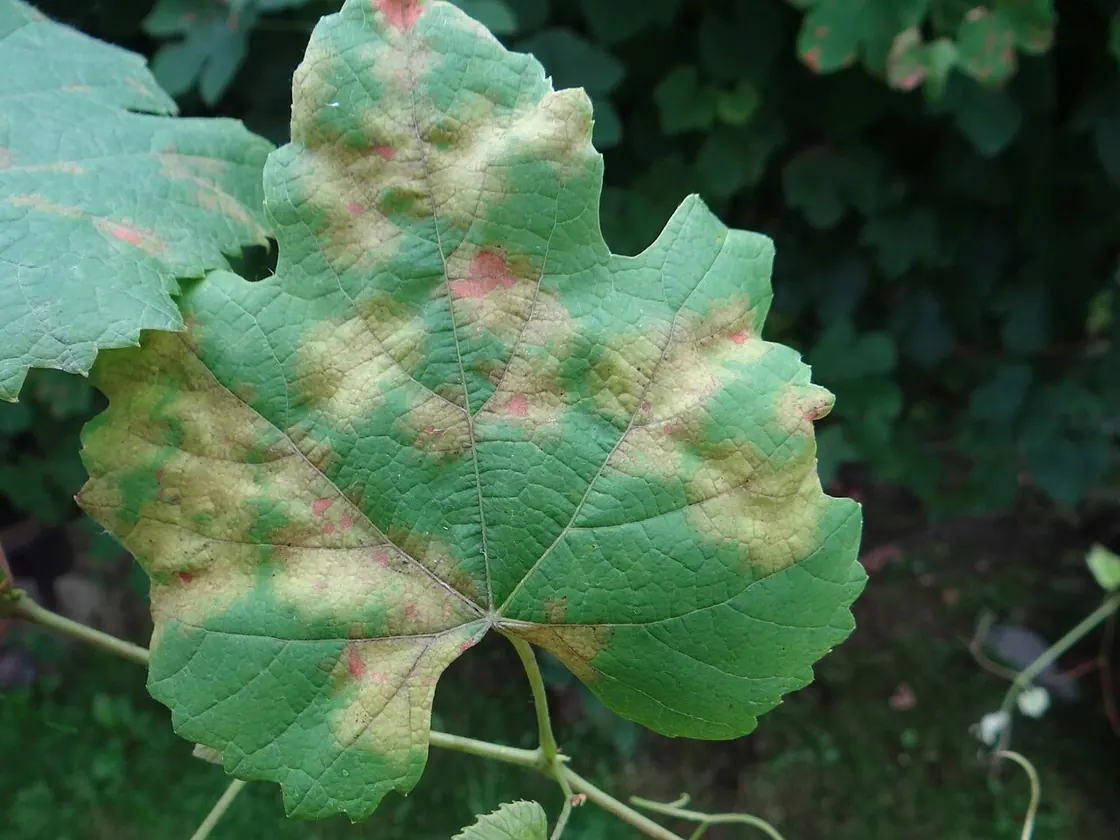
Yellow patches with fuzz underneath
Flip the leaf over. Fuzzy growth directly below a yellow patch can point to downy mildew.
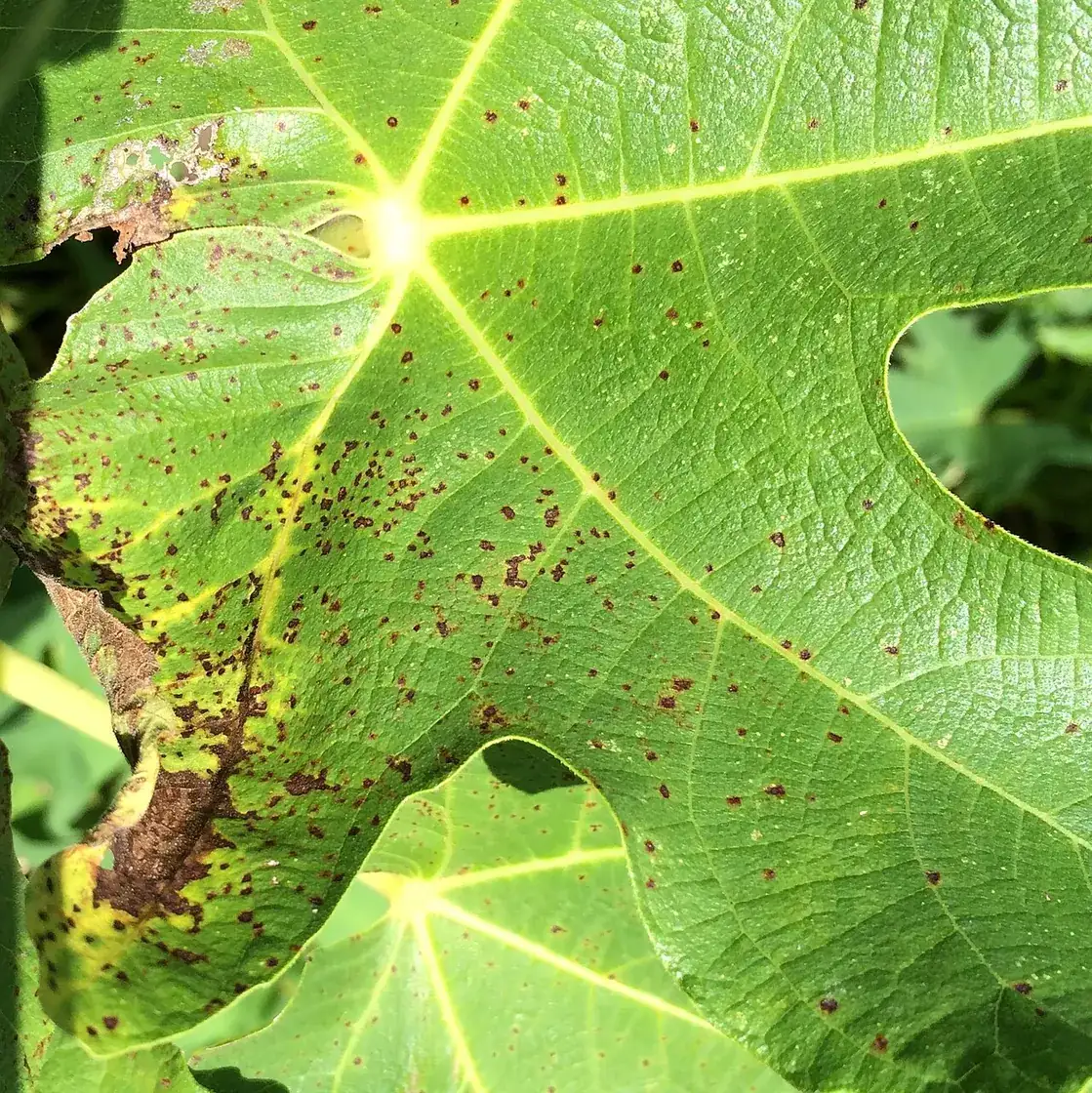
Orange or rusty spots on leaves
Look for tiny raised spots under the leaf that release orange or brown powder.
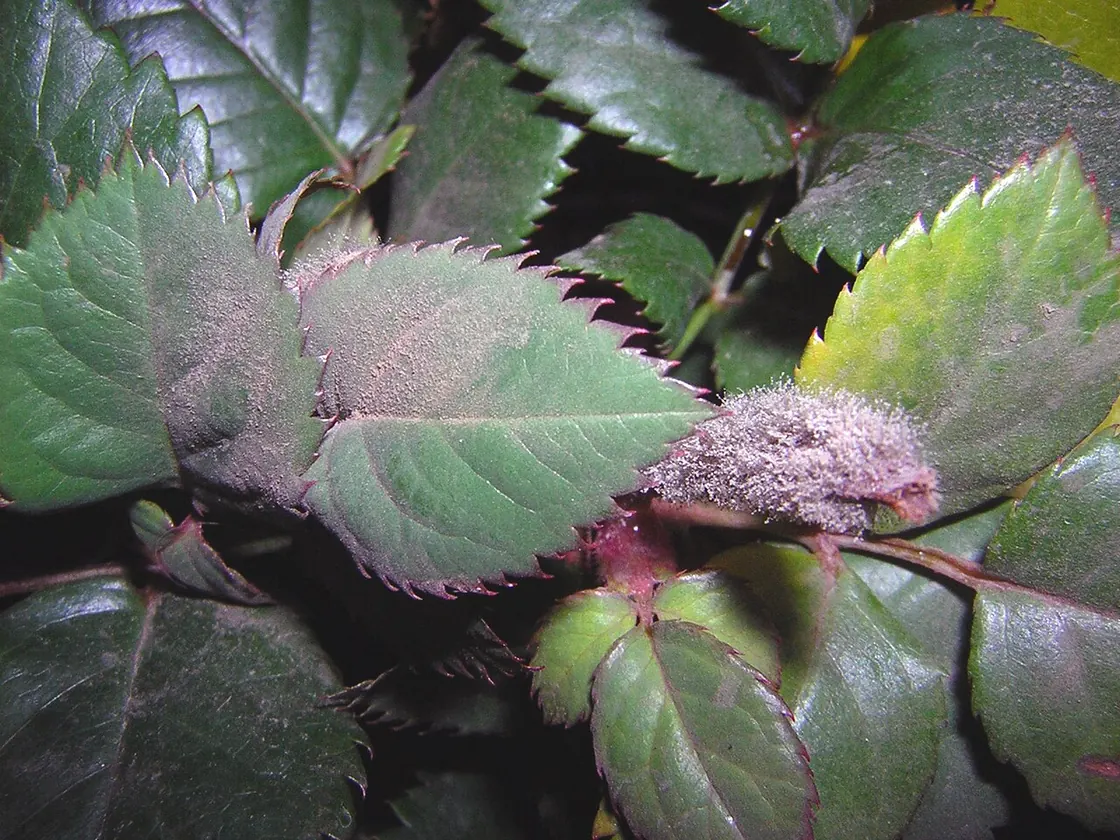
Gray fuzz on flowers or leaves
Check for gray fuzz growing on soft brown tissue, especially on fading blooms.
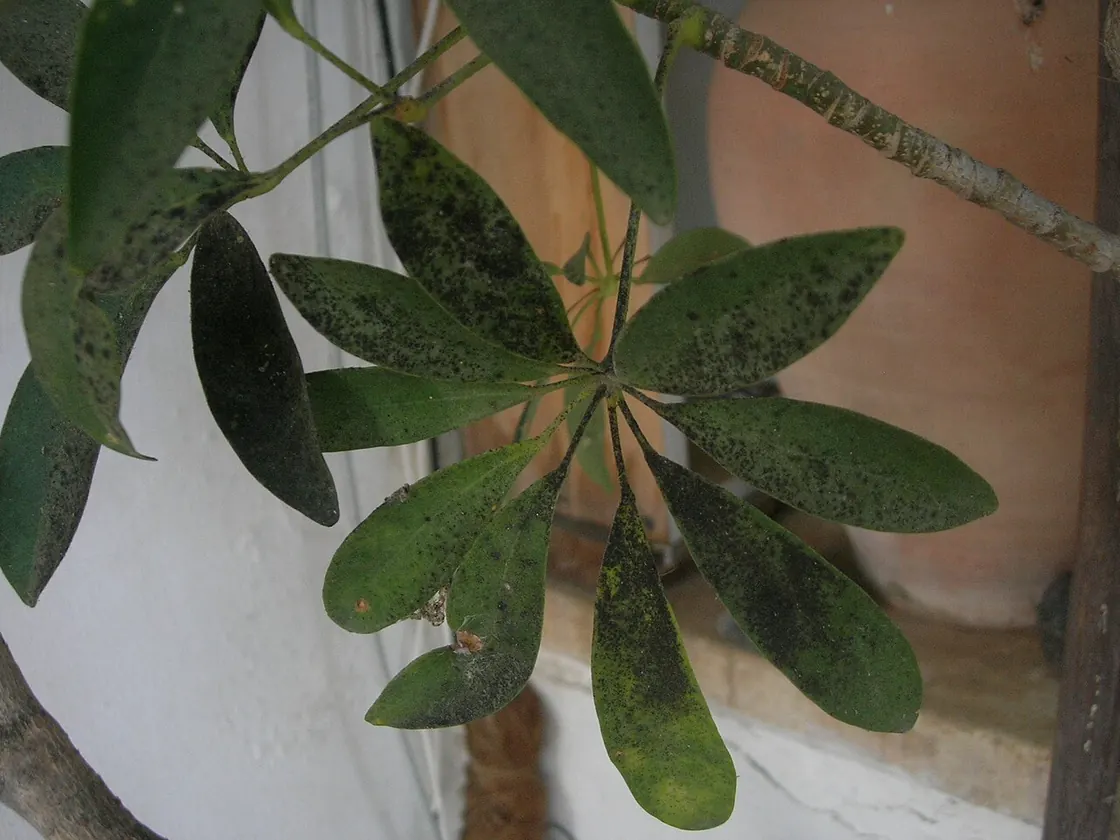
A sticky black film on leaves
If the dark coating wipes away, look for honeydew from insects above it.
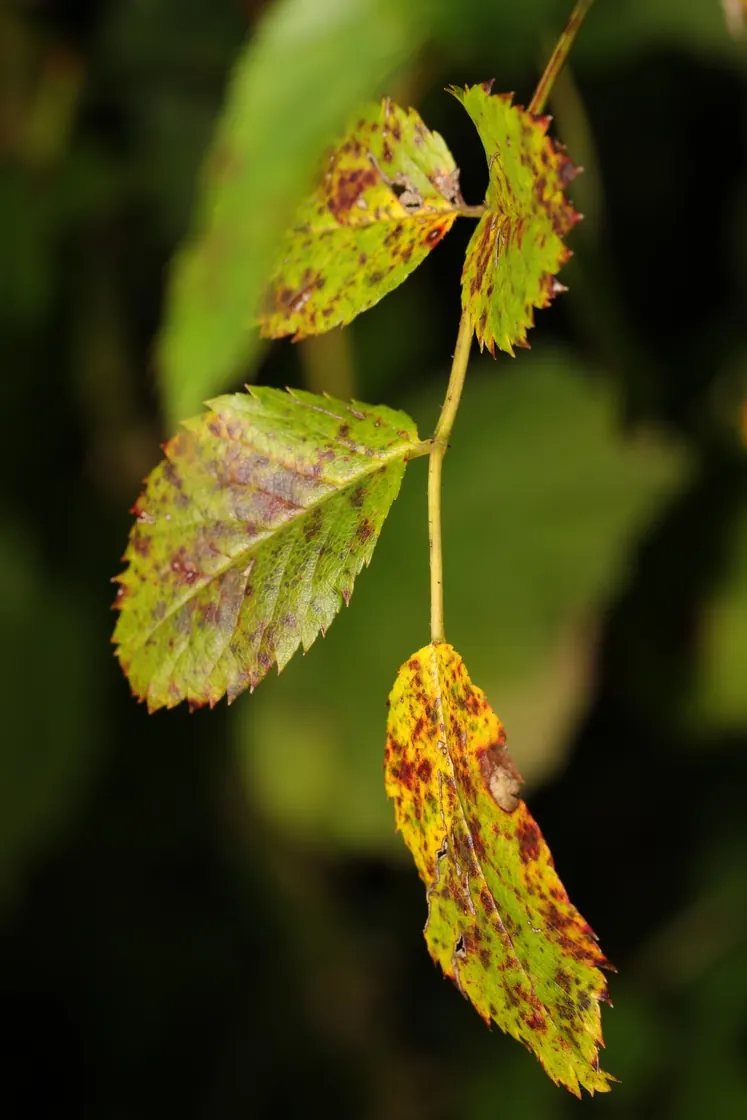
Black spots on rose leaves
Look for irregular-edged black spots followed by yellowing and leaf drop.
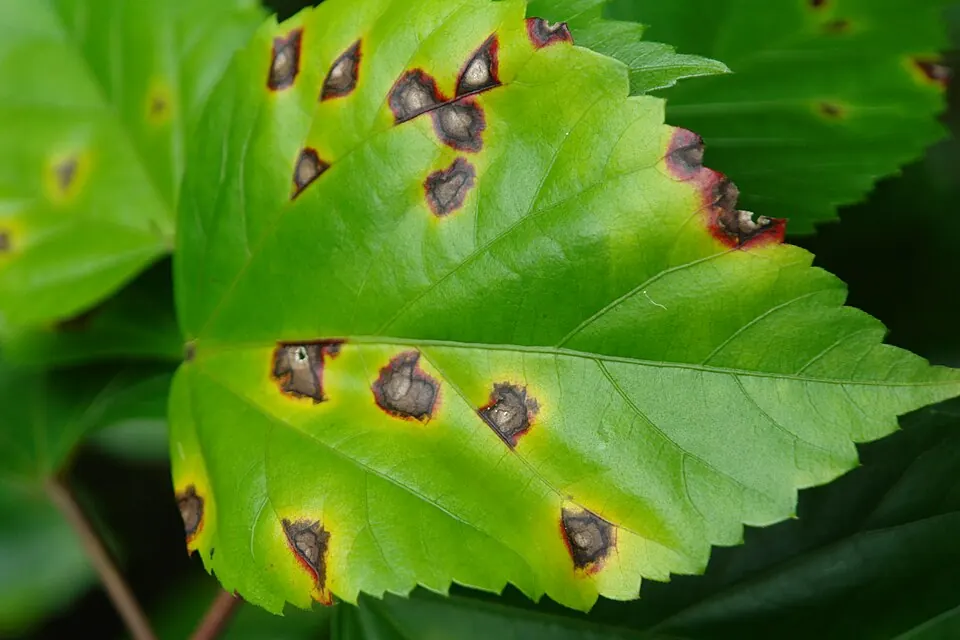
Wet-looking spots that keep growing
A spreading, water-soaked mark can be a sign of bacterial leaf spot. Similar damage has other causes.
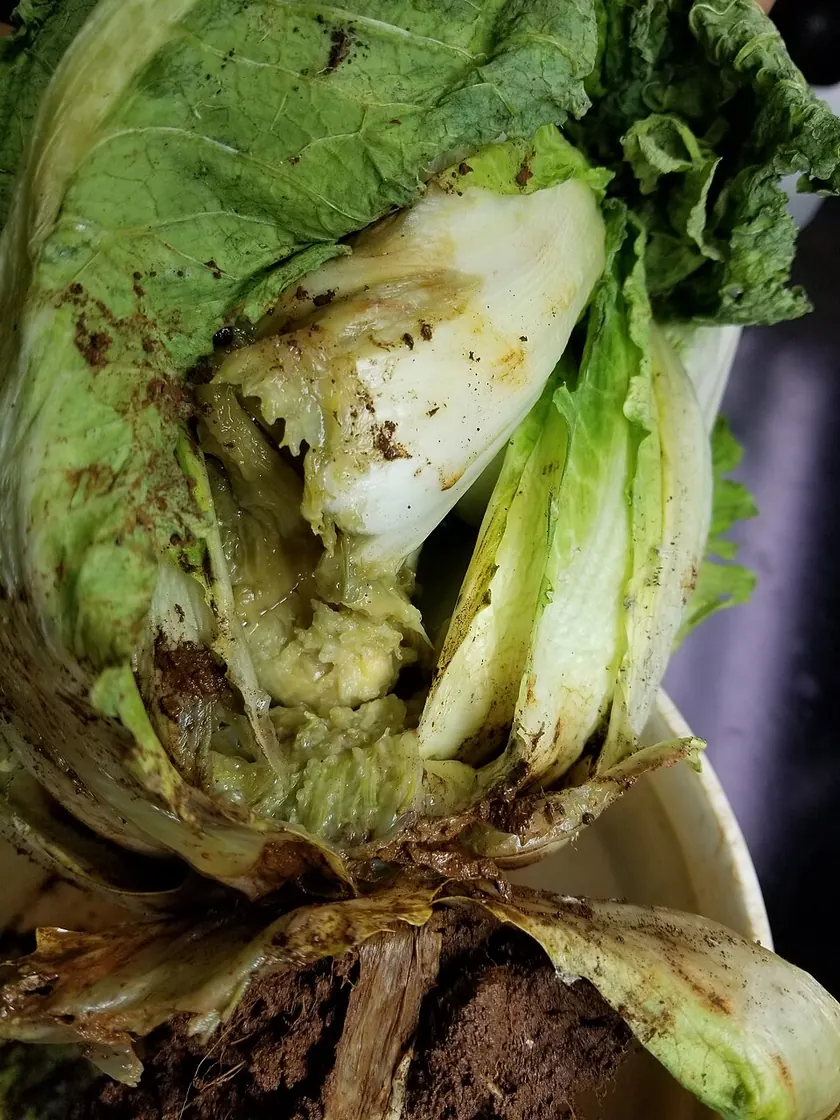
Soft, collapsing stems
A wet, mushy stem base deserves attention today, especially if the softness is spreading.
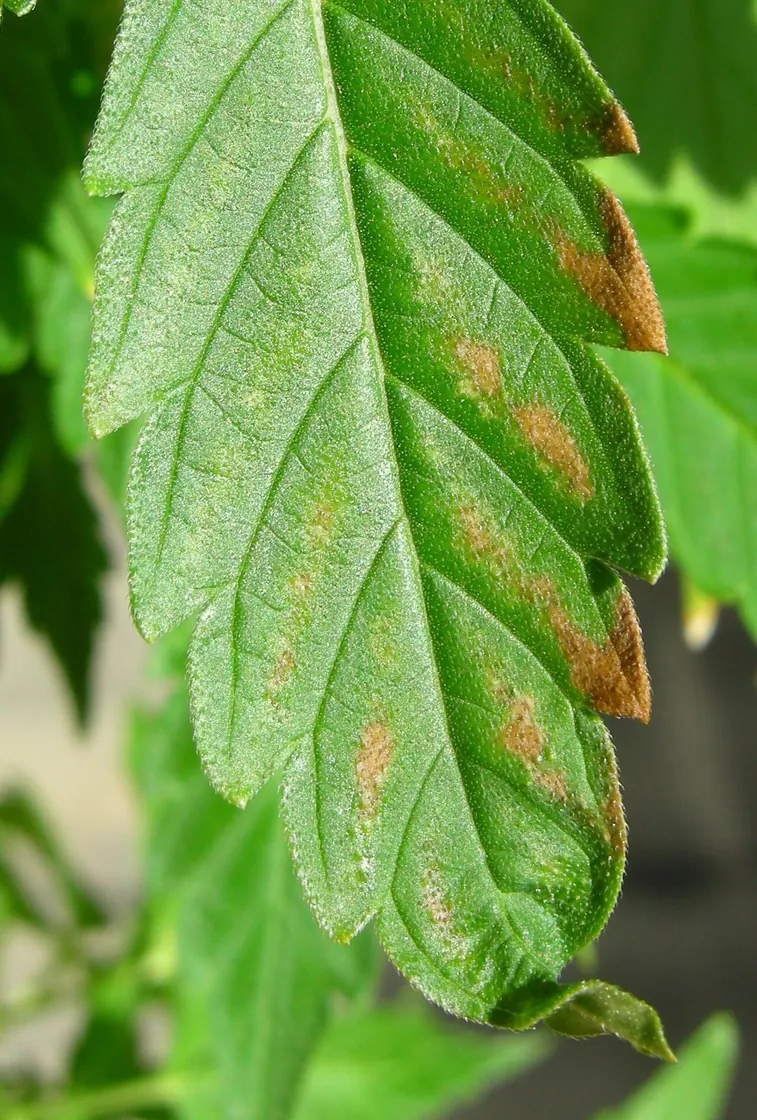
Burned tips after feeding?
Brown margins soon after a heavy dose of fertilizer can point to excess salts.
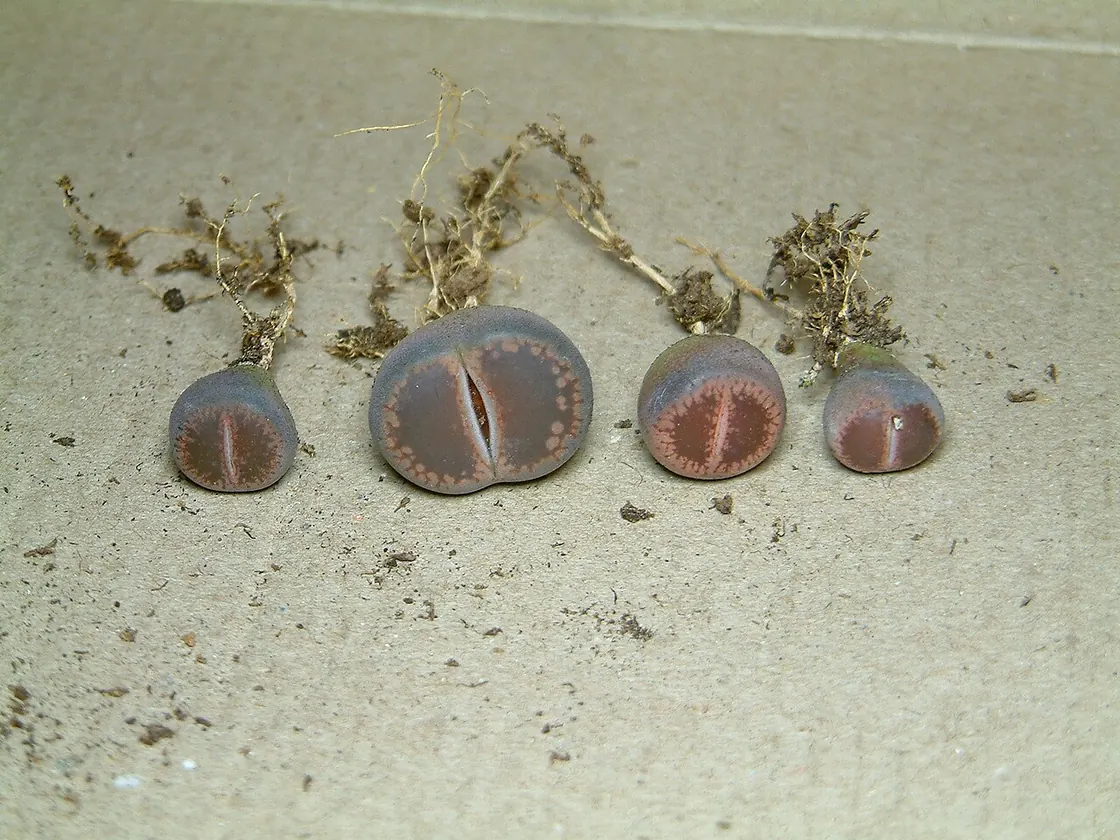
When the pot stays wet
If the mix stays wet between waterings, check the pot and its drainage before adding more.
Pruning guides

Before your first cut
Decide whether you are removing one leaf, shortening a stem or shaping the plant. The cut goes in a different place for each.
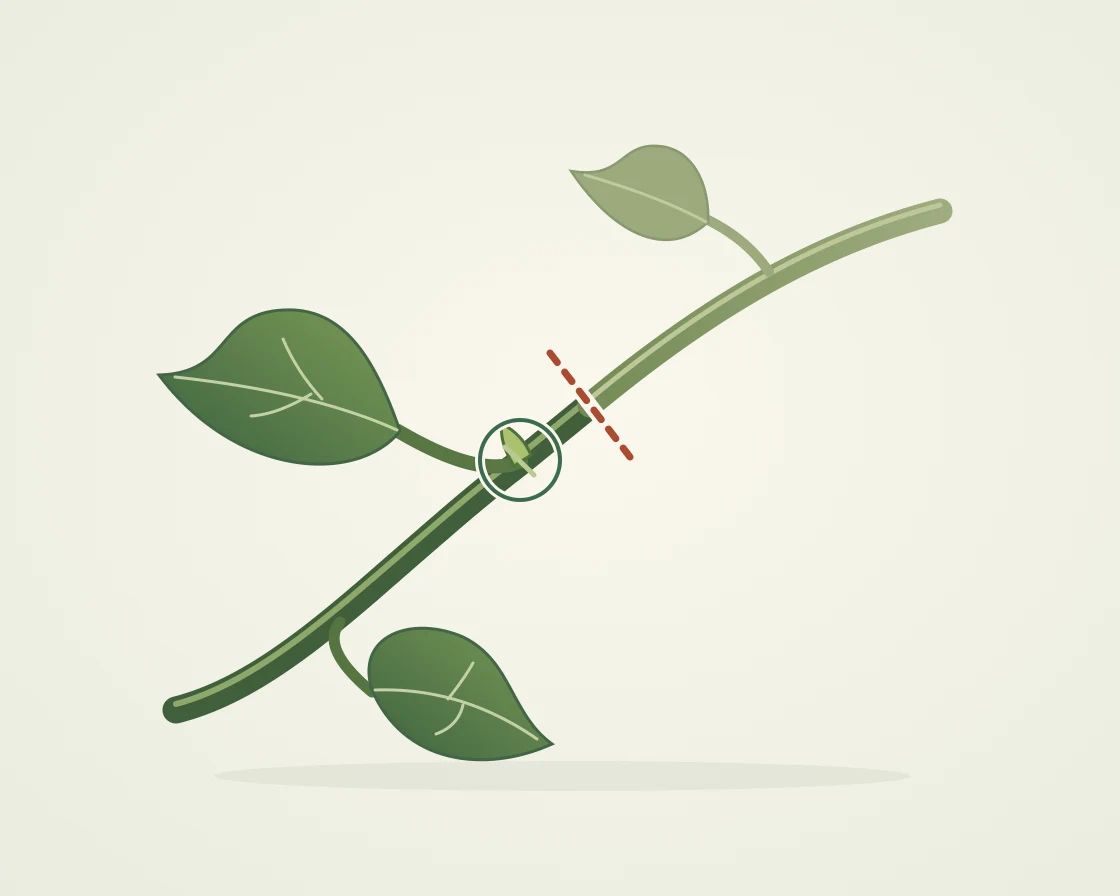
Where to cut above a node
When shortening a suitable stem, keep a healthy node on the plant and cut on its tip side.
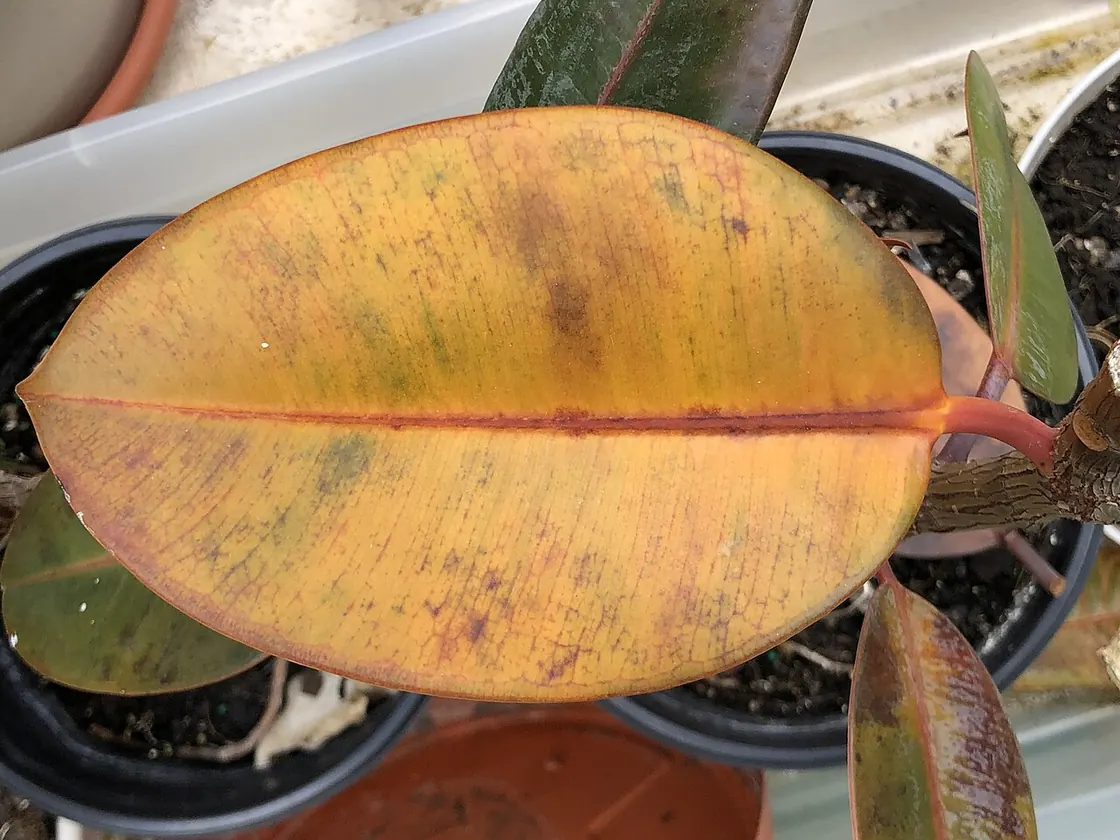
How to remove a yellow leaf
One fully yellow old leaf can often be removed. If several leaves are yellowing, first check why.
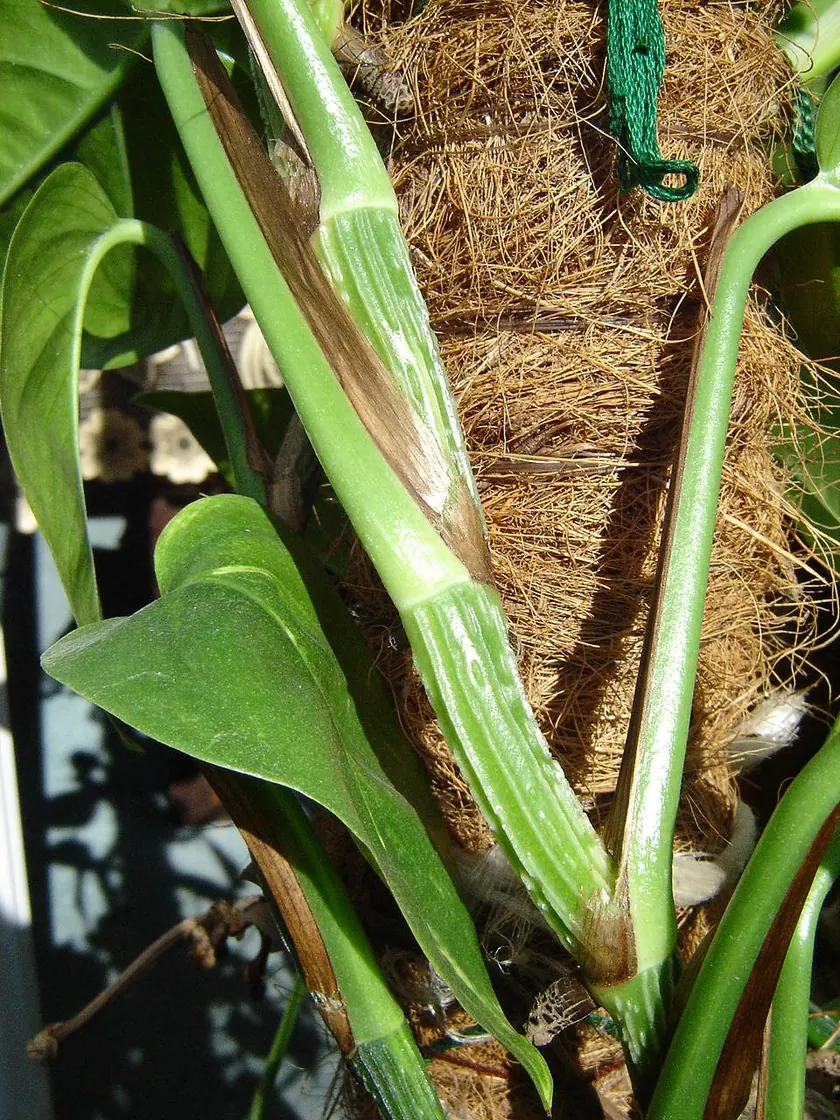
Shortening a trailing vine
Trace one long vine back to a healthy leaf node. Keep the rest of the plant out of the blades.
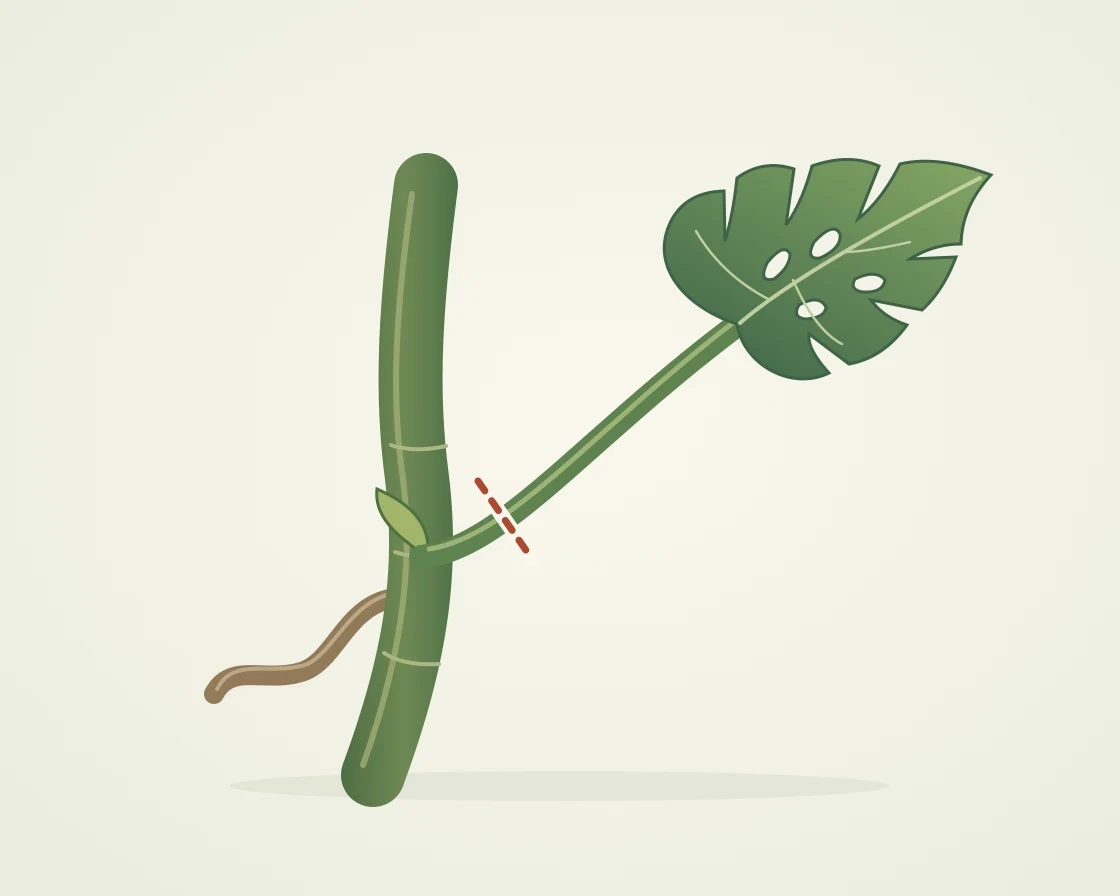
How to remove a Monstera leaf
To remove one leaf, cut only its stalk. Keep the thick main stem, buds and aerial roots.
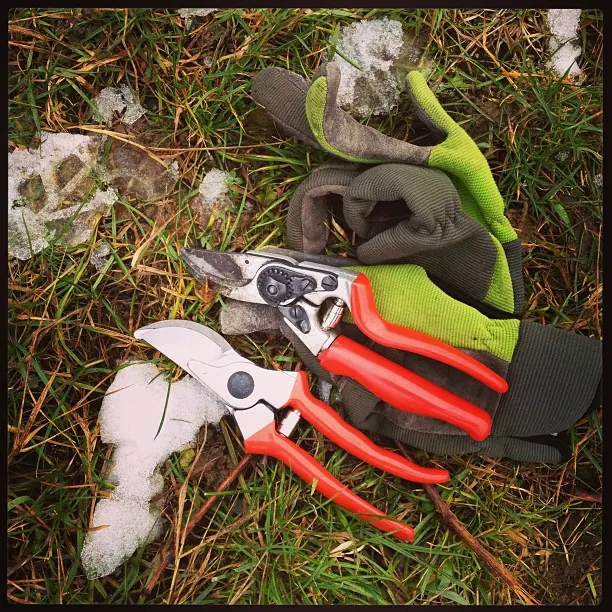
Cleaning shears between plants
Clear off sap and soil before disinfecting blades, especially after cutting suspect tissue.
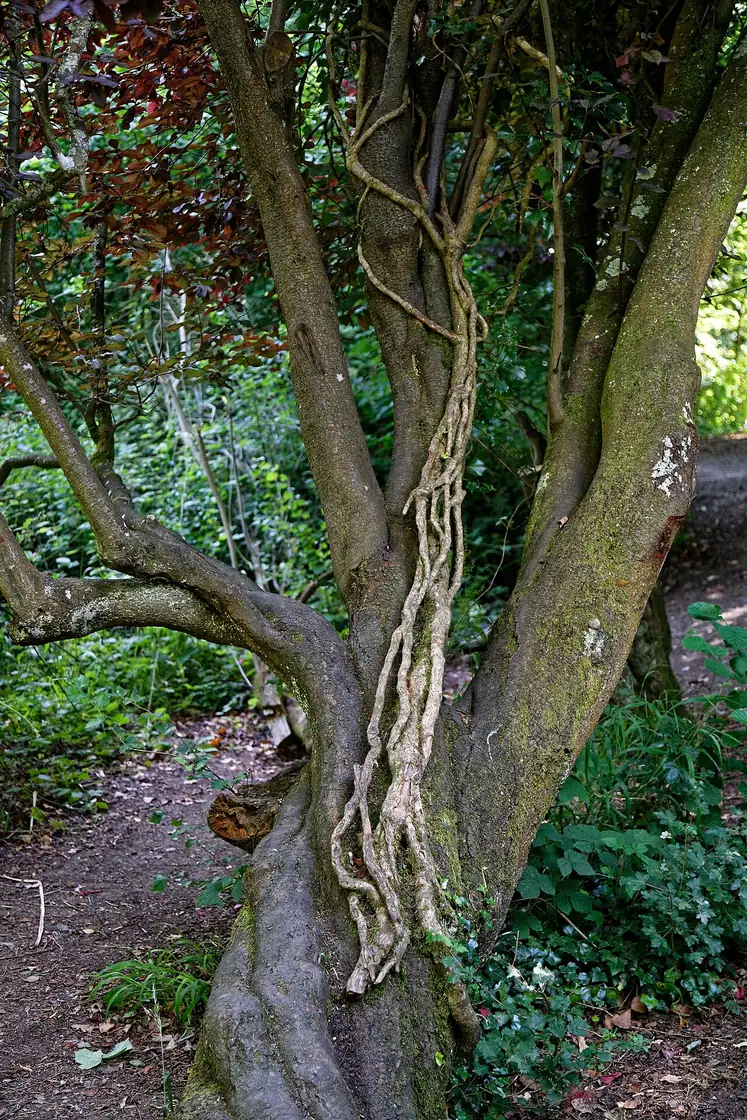
How to remove a dead stem
Confirm it is dead and trace it to a live branch or the base before cutting.
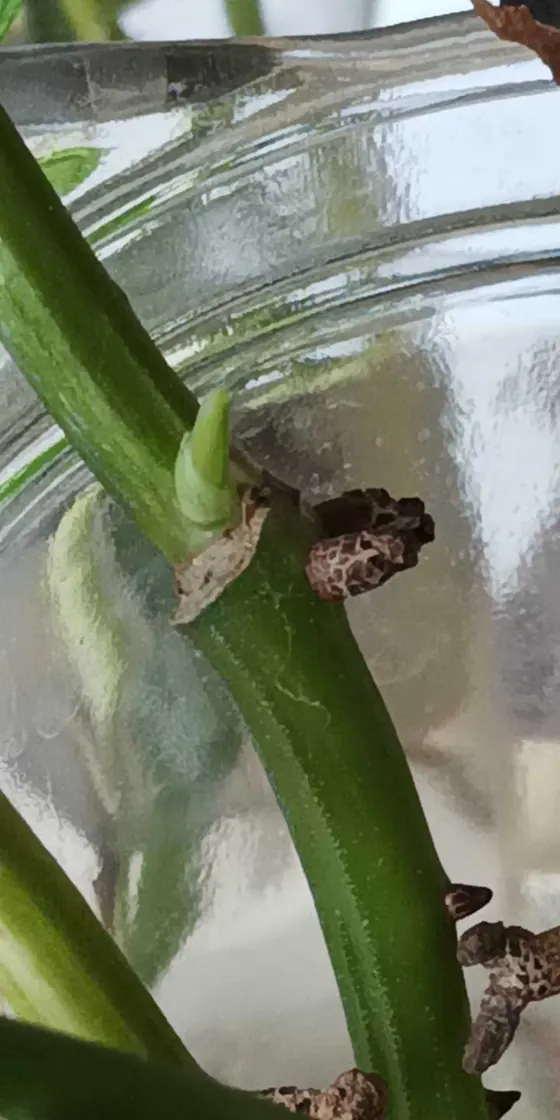
Pinching soft tips to encourage branching
Try one soft tip on a healthy branching plant, such as coleus.

Removing faded flowers
Follow the faded flower's stalk and keep unopened buds in place.
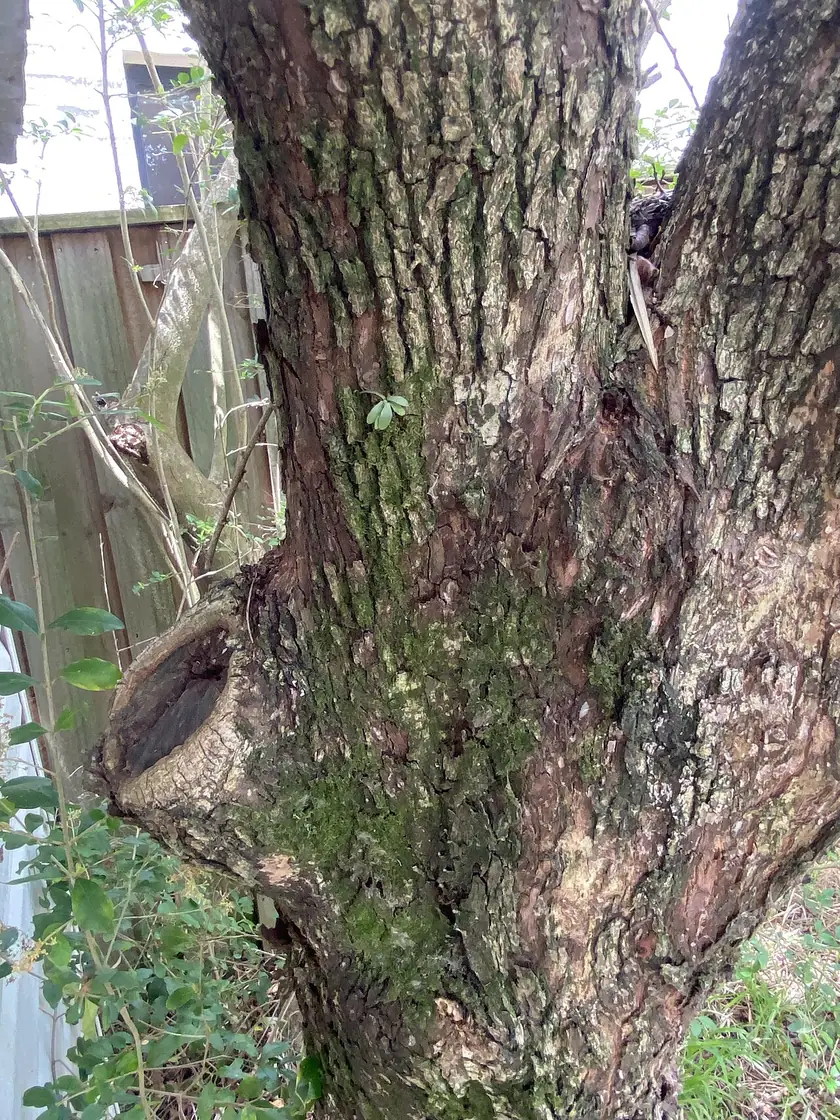
Where to cut a small woody branch
When removing a whole branch, keep the swollen collar at its base.
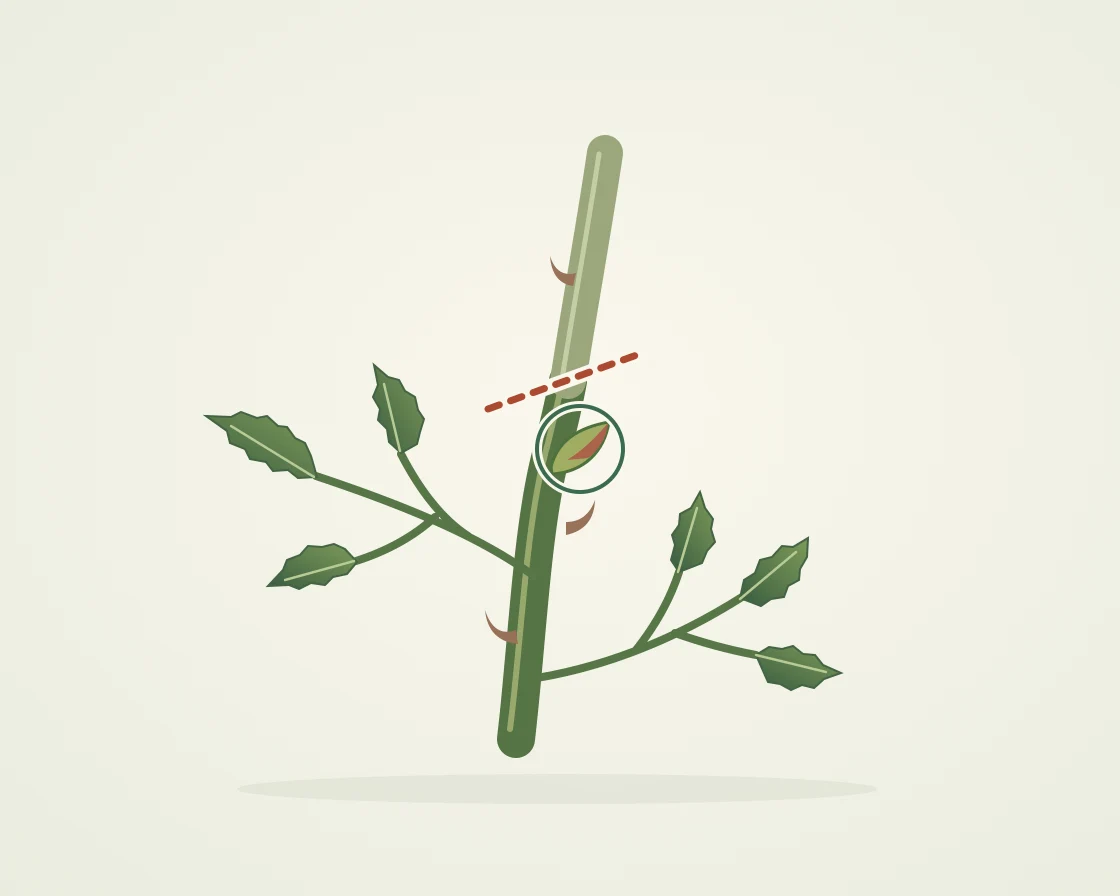
Where to cut when shortening a rose stem
Identify the rose type before shaping. If a stem needs shortening, leave a healthy bud below the cut.
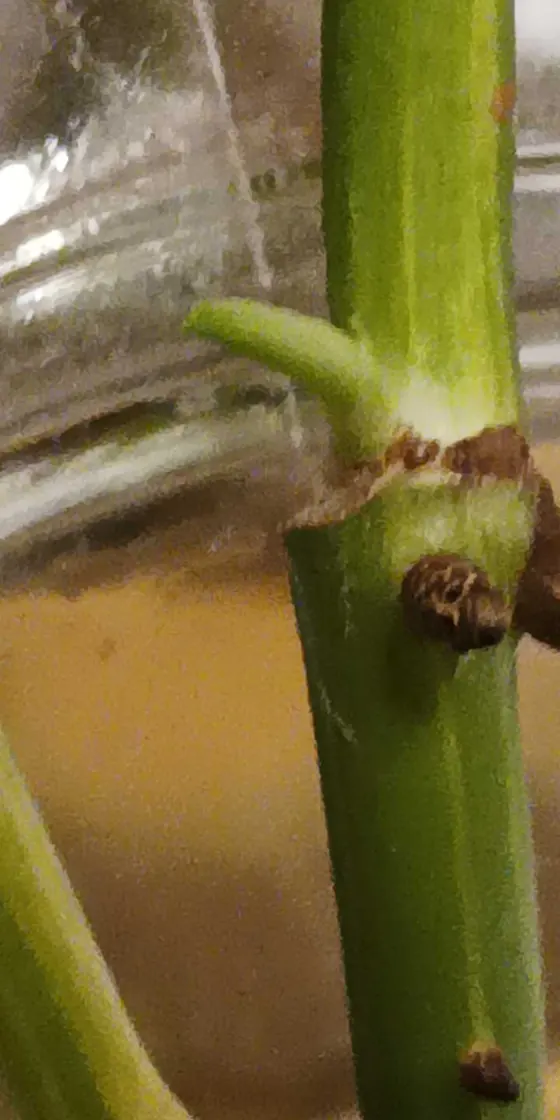
What to do after a light prune
Keep care steady and watch the cut before deciding to prune again.