Start with a closer look.
Photograph a concern and compare visible clues with possible causes. When more evidence is needed, learn what to check or photograph next.
 PlantPal
A photo, your observations, and your plant’s history help you find a clear next step.
Get PlantPal on Google Play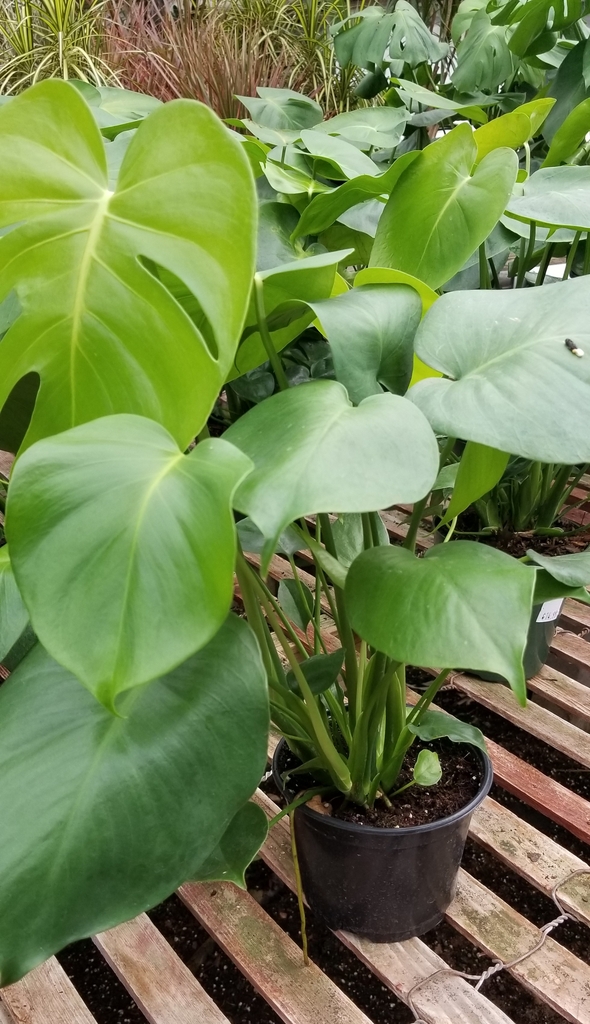
Photo: Cindy Christian · NC State Plant Toolbox · CC BY 4.0 · Cropped for display.
Photograph a concern and compare visible clues with possible causes. When more evidence is needed, learn what to check or photograph next.
Find pruning guidance that explains whether to trim, how to prepare, and what to watch afterward. Advice adapts to the experience and context you share.
Set watering and feeding checks, record the care you actually complete, and return to your notes to see what changed.
A CLOSER LOOK
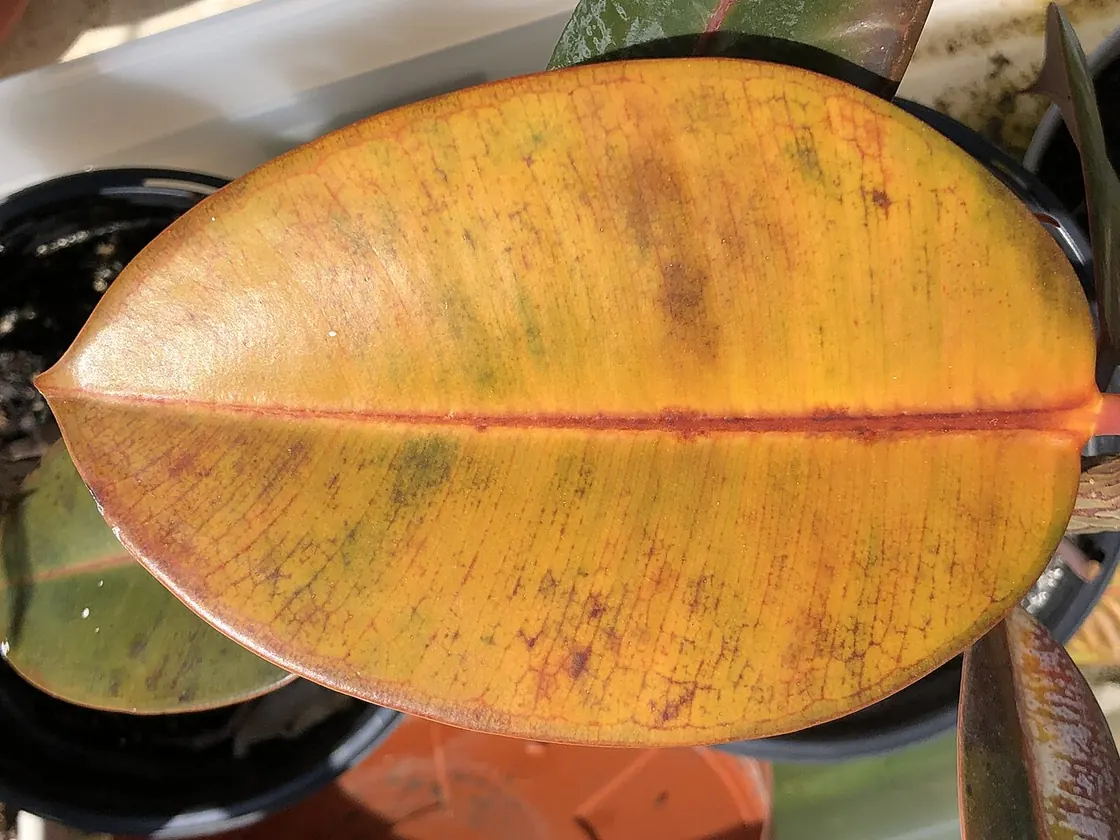
One aging leaf can be normal. Several yellowing leaves call for a closer look.
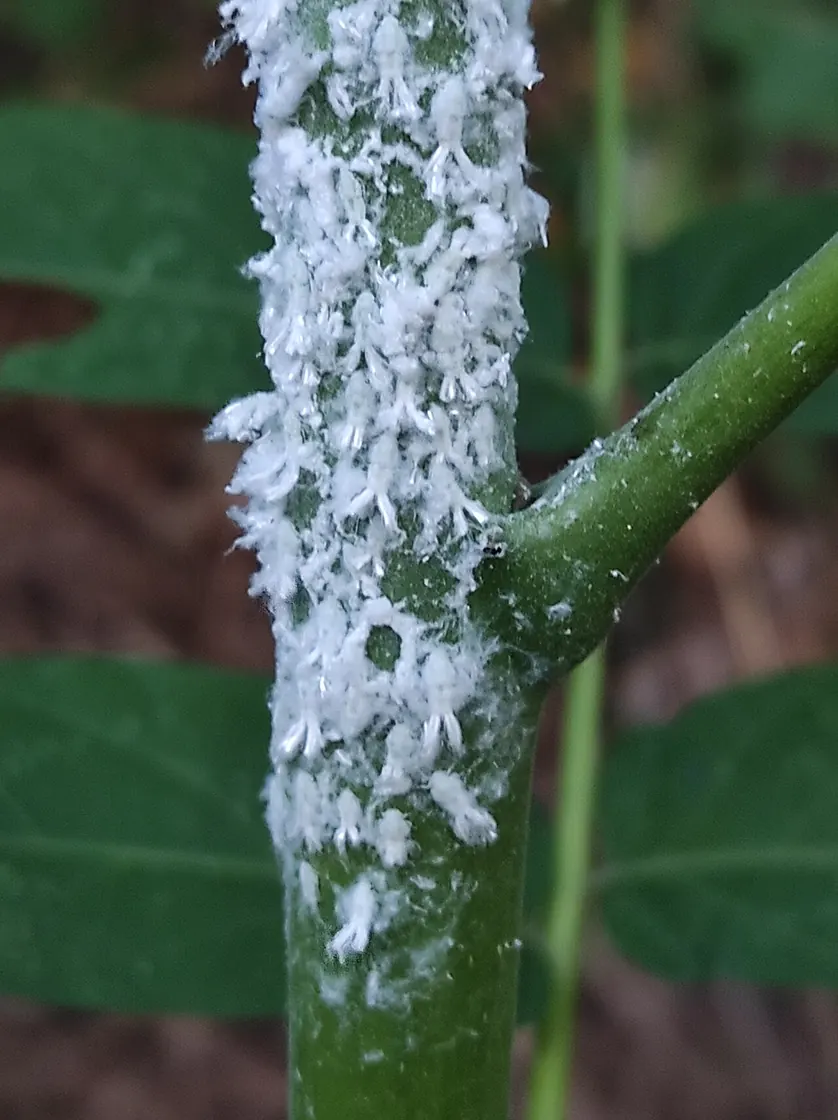
Look for white, waxy insects where leaves meet the stem.
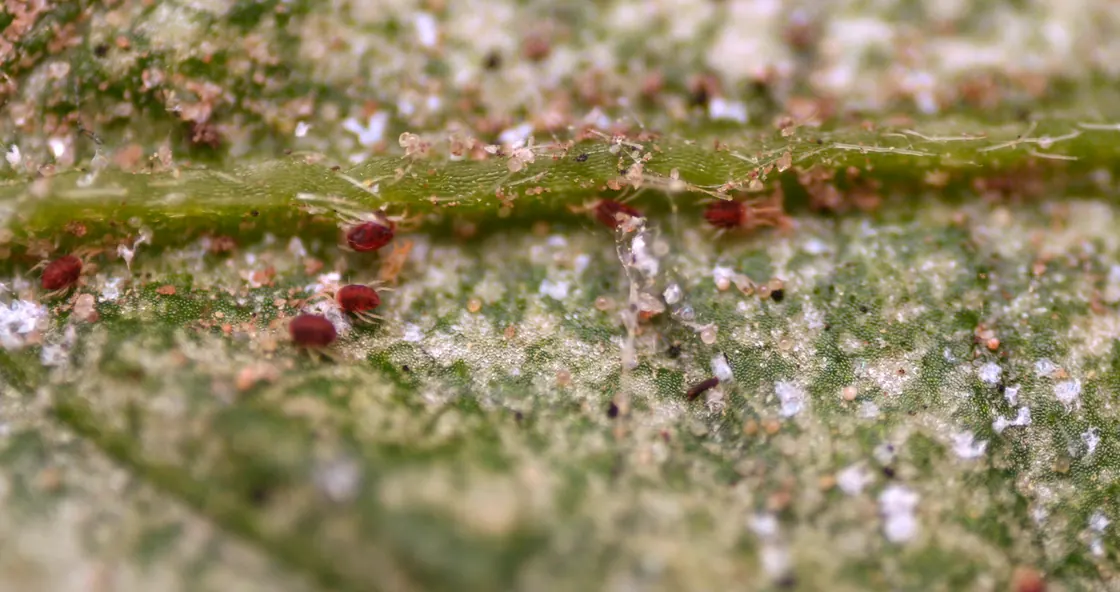
Tiny moving dots under the leaf are more telling than a web on its own.
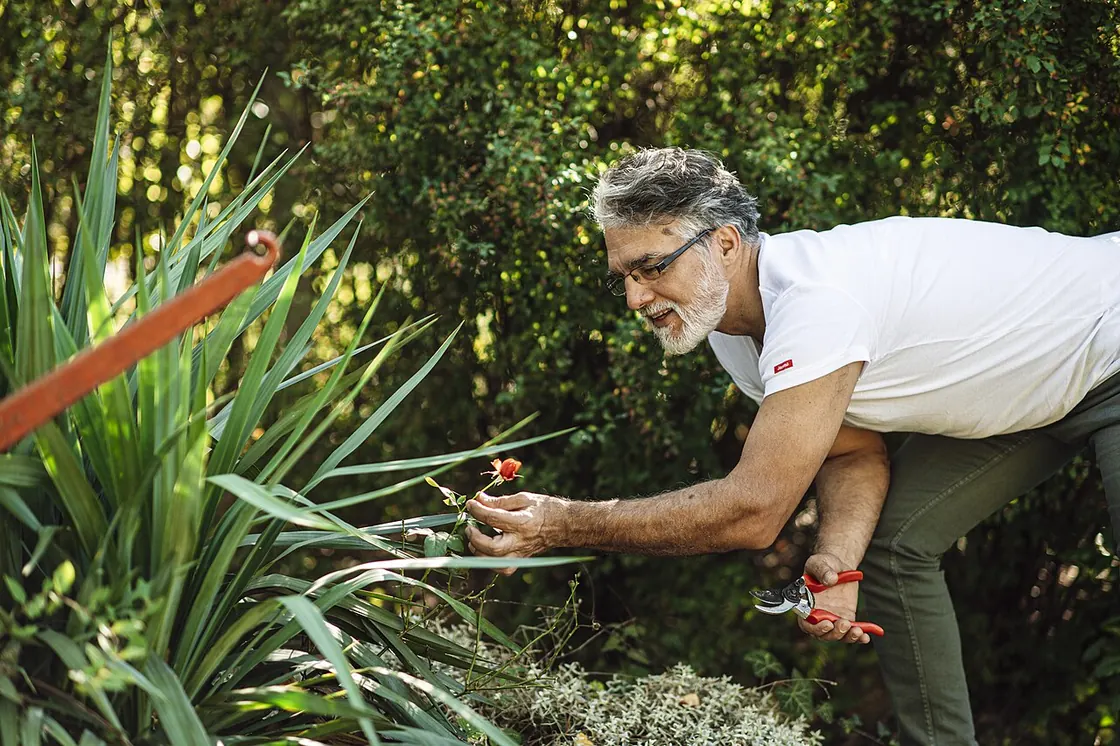
Decide whether you are removing one leaf, shortening a stem or shaping the plant. The cut goes in a different place for each.
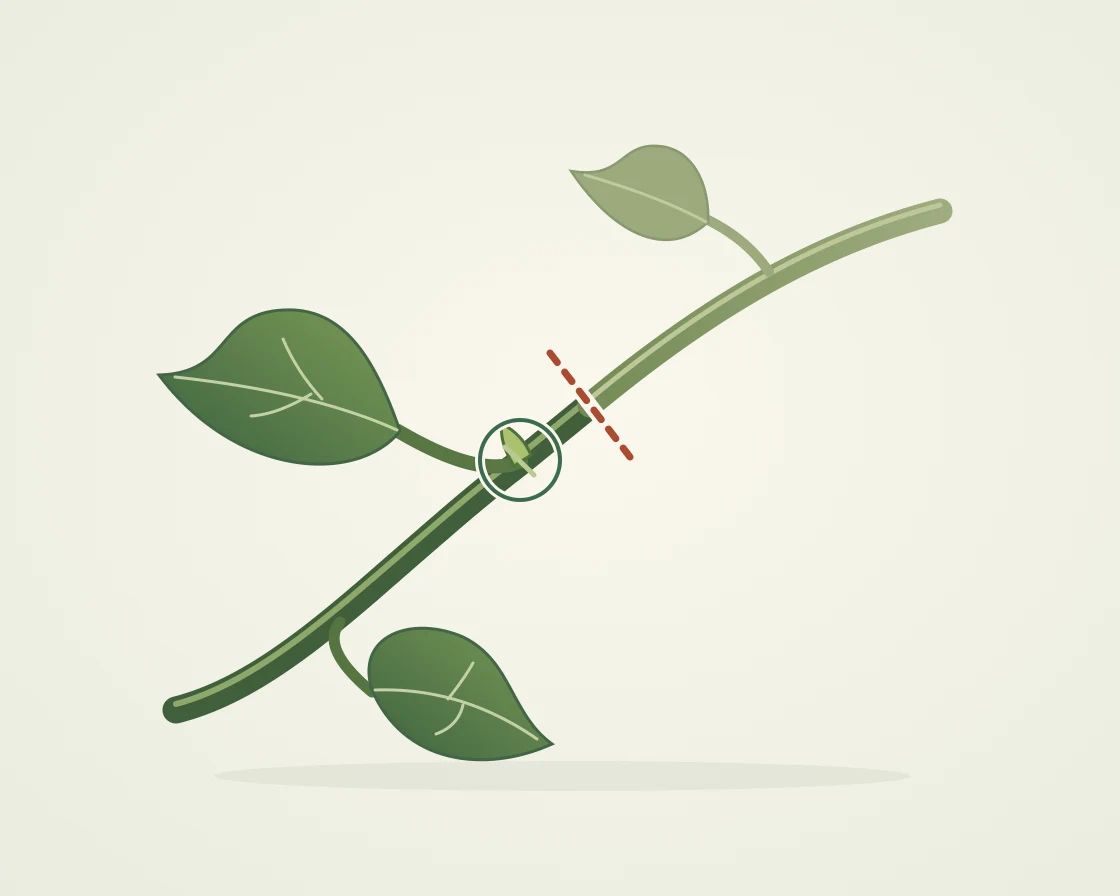
When shortening a suitable stem, keep a healthy node on the plant and cut on its tip side.
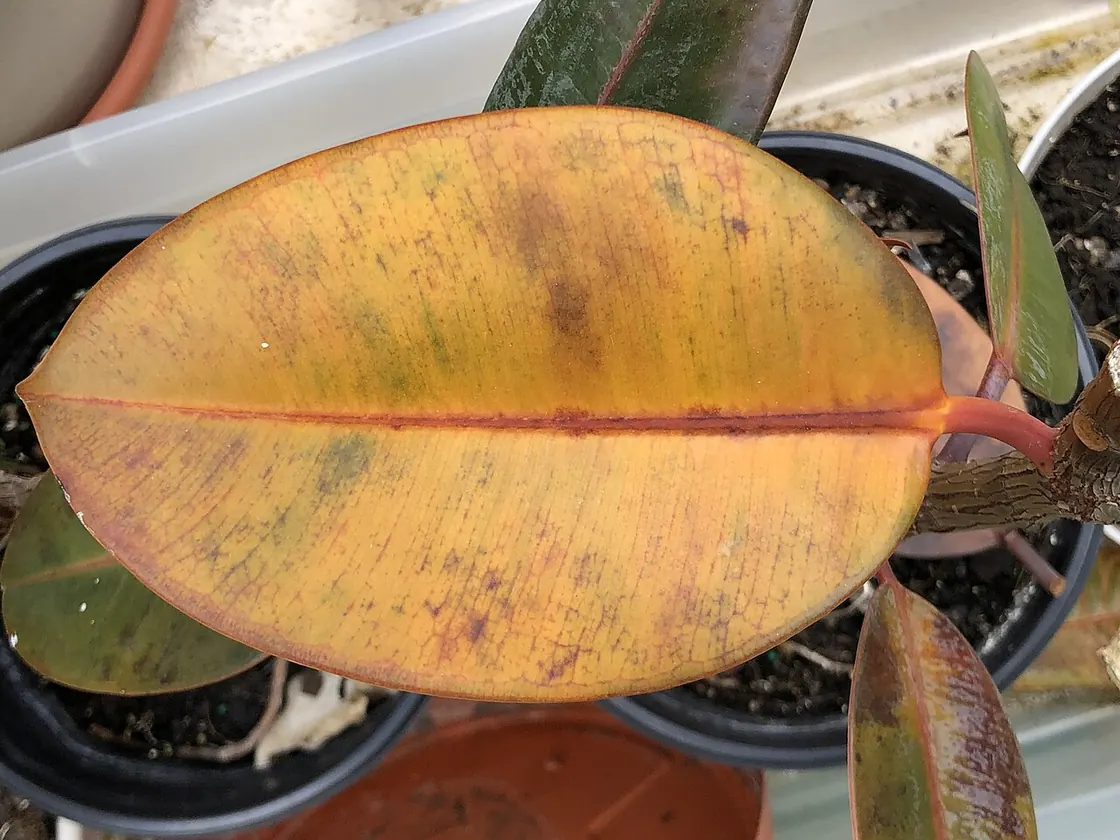
One fully yellow old leaf can often be removed. If several leaves are yellowing, first check why.
GROW WITH YOUR OWN EYES
Photo-based plant-care suggestions can be uncertain. Check your plant and its conditions before you act.