 PlantPal
Rubber plant brown or black spots: causes and what to check
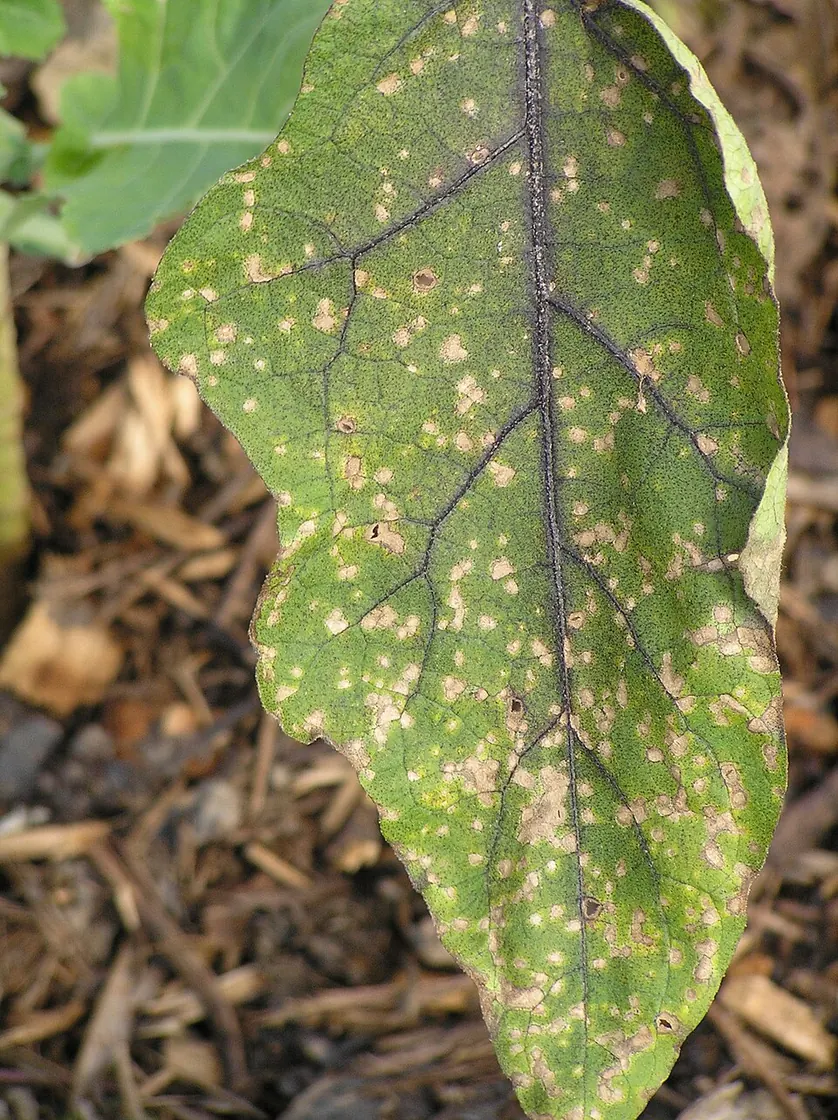
On rubber plants, dark spots often follow a mix kept too wet or prolonged moisture around leaves, though scorch and cold injury can look similar. First check whether the spots are dry or wet and whether the potting mix is still damp.
Why it happens on a rubber plant
Ficus elastica is a tropical evergreen with large, thick, leathery leaves. It grows in warm conditions and does best indoors in bright, indirect light. Its leaves can be marked by abrupt changes in light or cold, while persistently wet mix and poor drainage can stress its roots. Check the undersides of leaves too, since spots may be easier to notice there.
Likely causes, most common first
Mix kept too wet
How to tell. Dark patches may appear along with yellowing or drooping leaves. Feel the mix below the surface and lift the pot; if it stays heavy and damp, check that the pot drains. If you inspect the roots, healthy ones are firm rather than soft or mushy.
What to do. Let the upper part of the mix dry before watering again, and empty any water left in the saucer. Make sure the pot has drainage holes. If roots are soft or the mix stays wet, trim damaged roots and repot into fresh, free-draining mix.
Leaf-spot disease
How to tell. Spots that look wet or translucent, enlarge, or appear on several leaves need closer attention. This can happen when foliage stays wet or air movement is poor. Check both leaf surfaces and compare the same marks over time; color alone cannot identify the cause.
What to do. Move the plant away from nearby plants while new wet-looking spots are appearing. Water at soil level and avoid leaving foliage wet. Remove badly affected leaves with clean scissors, but leave healthy leaves in place. Seek plant-specific advice if marks keep spreading.
Sun scorch
How to tell. Dry, pale brown patches are more likely after a move into strong direct sun, especially on the side facing a bright window. The marks usually stay dry rather than expanding like wet spots. Check whether the plant's light exposure changed recently.
What to do. Move the plant to bright, indirect light. If you want it in a sunnier position, increase its exposure gradually and watch the leaves. Existing scorched patches will not turn green again, so judge the change by whether new leaves stay unmarked.
Cold exposure
How to tell. Dark, damaged areas can follow a cold draft, contact with a chilly window, or a sudden temperature drop. Check whether affected leaves were closest to the window or door. Cold injury may affect more than one leaf after a cold spell.
What to do. Move the plant away from cold drafts and avoid letting leaves touch cold glass. Keep it in a stable, warm indoor spot. Leave partly damaged leaves unless they are mostly dead, and watch new growth for further marks.
When it is normal
A small, dry mark on one older leaf can remain after past damage without meaning the problem is continuing. If no new spots appear and the rest of the plant looks healthy, monitor it rather than removing healthy leaves.
Keeping it from coming back
Use a pot with drainage holes and feel the mix before watering; water when the upper part has dried, then empty the saucer. Keep the leaves dry when watering and give the plant bright, indirect light. Avoid sudden moves into strong sun, cold drafts, and crowded positions with little air movement.
The general guide
For any plant, see Brown or black spots on leaves. For everyday needs, see Rubber plant care.