 PlantPal
Rubber plant leaves curling: causes and what to check
On a rubber plant, leaves often curl when the root ball has become too dry, though pests or wet, stressed roots can look similar. First inspect new leaves and their undersides, then feel the mix below the surface.
Why it happens on a rubber plant
Ficus elastica is a tropical evergreen tree from South and Southeast Asia, grown indoors for its large, thick, leathery leaves. Those leaves can hold their shape through brief changes, so a curl may lag behind the cause. In pots, roots need both moisture and air; mix that stays saturated can impair them, while a small, dry root ball can leave broad leaves short of water.
Likely causes, most common first
Dry potting mix
How to tell. A dry root ball is a common reason for curling, especially if the pot feels unusually light and the mix has pulled from the pot edge. Leaves may look limp or dry at the margins. Check several centimetres down rather than relying on the surface.
What to do. If the mix is dry well below the surface, water it thoroughly until excess drains from the base. Let the pot finish draining, then check the mix before watering again. If water runs straight through, the root ball may have dried and shrunk.
Pests on new growth
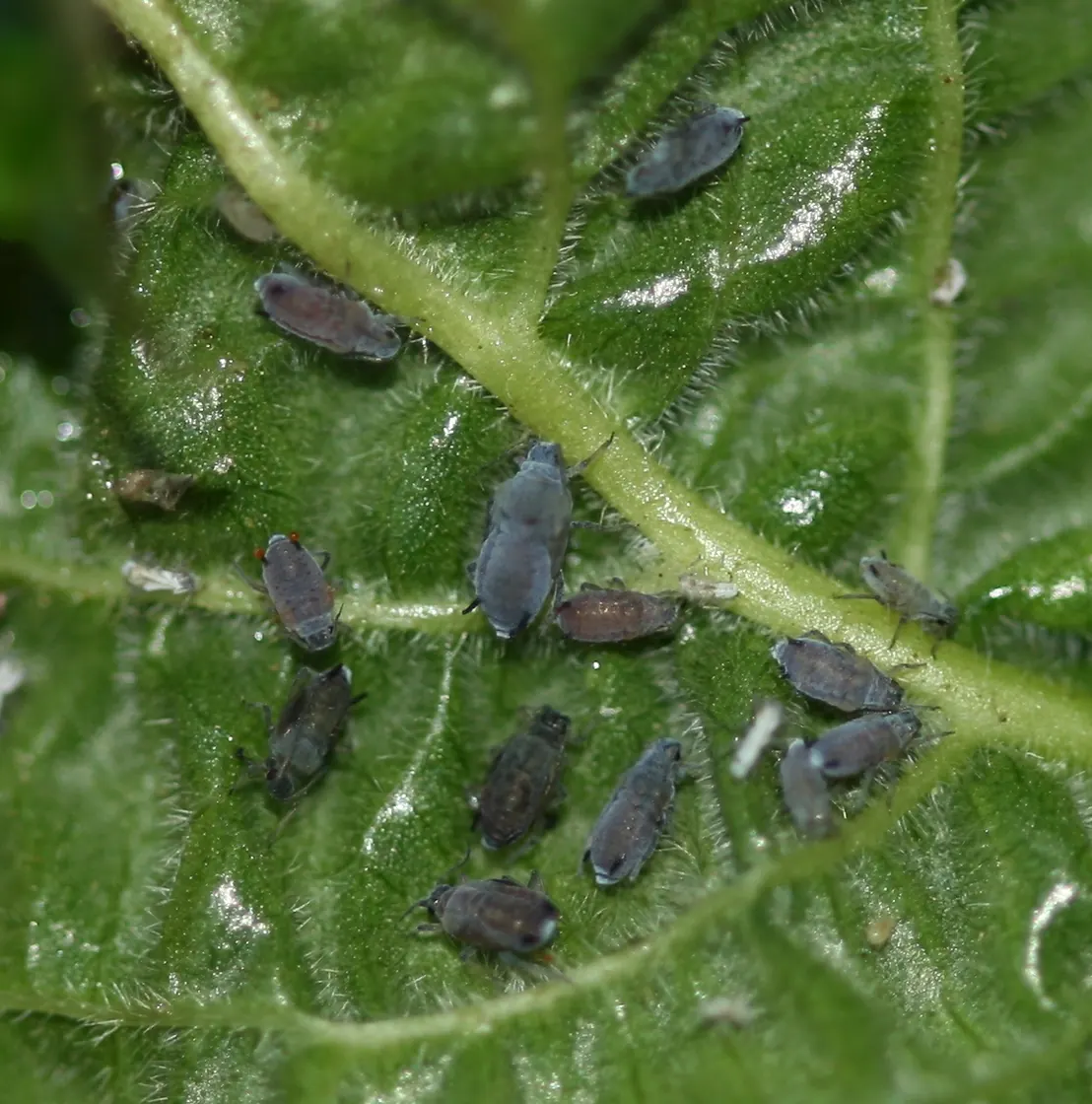
How to tell. Inspect folded new leaves and their undersides for tiny insects, fine webbing, pale stippling, silvery scars, or sticky residue. Spider mites and thrips can distort or mark leaves. A close look with good light can help reveal signs that are easy to miss.
What to do. Separate the plant from nearby plants if you find pests. Wipe or rinse the leaves, including their undersides, and remove insects you can reach by hand. Check again over the following days, including new growth. Use the general pest guide for further steps.
Mix staying too wet
How to tell. Curling can occur when roots are stressed in persistently wet mix. The pot may feel heavy, and the mix may stay damp for a long time; yellowing or leaf drop can also occur. Check that the pot has drainage and look at roots if the plant keeps declining.
What to do. Pause watering while the mix remains wet, and make sure excess water can drain freely. If roots are soft, dark, or damaged, trim away the damaged parts and repot in fresh, free-draining mix. Let the mix dry somewhat between waterings, without leaving it bone dry.
Abrupt light or temperature change
How to tell. Leaves may curl after a sudden move into stronger direct sun, near a heat source, or beside a cold draft. Check whether the change began after moving the plant, and look for uneven curling or faded, scorched patches on the side facing the light.
What to do. Move the plant to bright, indirect light and keep it away from direct heat and cold drafts. Make changes gradually rather than shifting it suddenly between very different conditions. Check the newest leaves as they develop to see whether the distortion continues.
When it is normal
A newly emerging rubber plant leaf can stay folded or curled briefly while it opens. Watch whether it gradually unfurls and looks healthy. A curl that persists, worsens, or appears on several new leaves is worth checking against the causes above.
Keeping it from coming back
Feel the mix below the surface and lift the pot to judge how quickly it is drying; water thoroughly when it has dried somewhat, and let excess drain. Use a pot with drainage. Keep the plant in steady bright, indirect light, away from drafts and direct heat. Inspect new leaves and their undersides when they appear.
The general guide
For any plant, see Why are the leaves curling?. For everyday needs, see Rubber plant care.