 PlantPal
Heartleaf philodendron yellow leaves: causes and what to check
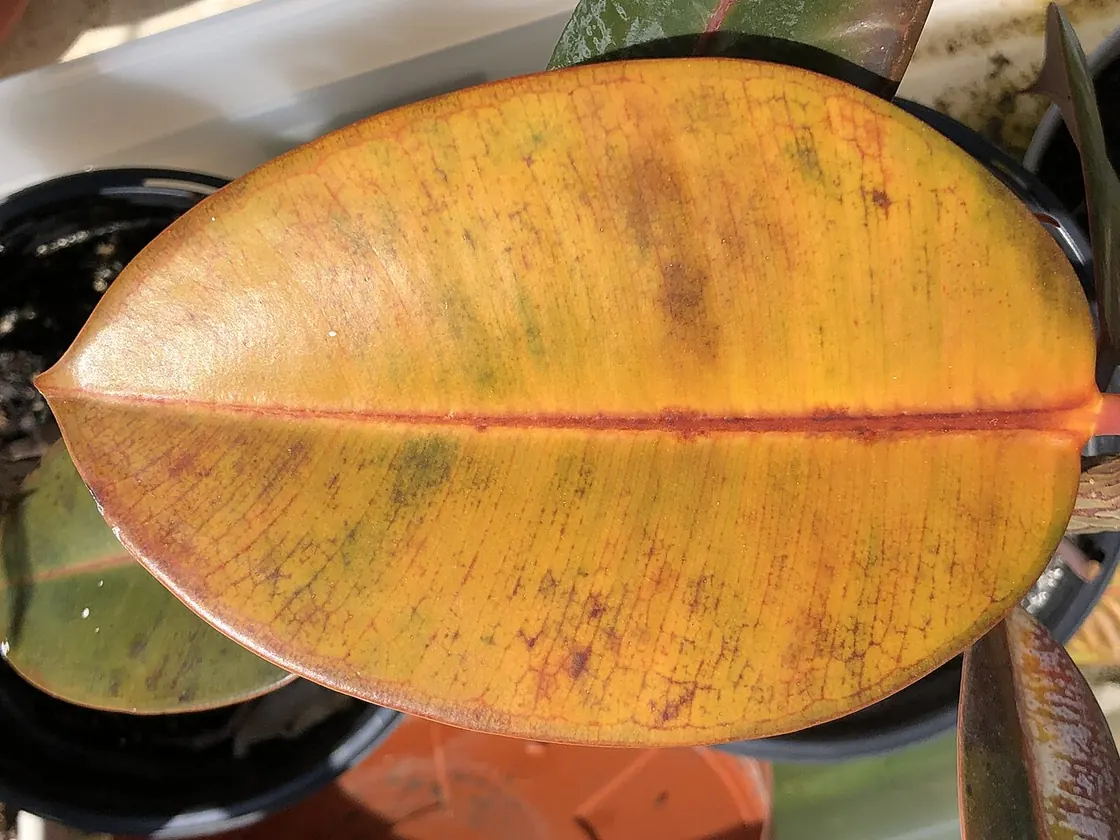
Several yellow leaves on a heartleaf philodendron often point to potting mix staying wet too long, especially in a poorly draining pot. First feel the mix below the surface and check drainage.
Why it happens on a heartleaf philodendron
Heartleaf philodendron is a tropical climbing vine that grows in forest understories. Its thin, heart-shaped leaves and climbing or trailing roots suit it to filtered light, while its potting mix still needs air around the roots. In dim conditions, growth can slow and the mix may take longer to dry, so frequent watering can leave roots short of oxygen.
Likely causes, most common first
Potting mix staying wet
How to tell. Several leaves yellowing while the mix remains damp can point to roots staying too wet. Lift the pot and check its drainage holes. If the mix smells sour or roots look dark and soft, root trouble may be developing.
What to do. Empty standing water and let the top few centimetres of mix dry before watering again. Make sure water can drain freely. If the mix stays wet or the plant wilts in wet mix, inspect the roots and consider repotting into fresh, airy mix in a pot with drainage.
An aging lower leaf
How to tell. One of the oldest leaves near the base may turn yellow as the vine grows. This is more likely when the rest of the plant looks firm and healthy and new leaves continue to appear without yellowing.
What to do. Watch the newer leaves and the overall growth. You can remove the old leaf once it is mostly yellow, using clean scissors. If several leaves turn yellow or the change moves up the vine, check the mix and undersides of leaves for other causes.
Insects or mites
How to tell. Pests can cause yellow speckling or patches, sometimes with fine webbing. Look closely under leaves and along stems for tiny insects, shed skins, or moving dots. Check nearby plants too, since pests can spread between them.
What to do. Separate the plant from others. Rinse the leaves, including their undersides, and wipe away insects you can see. Recheck the plant and nearby plants. See PlantPal's general pest guide for further steps.
Too little light
How to tell. In a dim spot, the vine may grow slowly with longer gaps between leaves, and lower leaves can yellow or drop. The mix may also take longer to dry because the plant is using water more slowly.
What to do. Move the plant to a brighter spot with indirect light, changing its position gradually. Keep it out of harsh direct sun, which can scorch leaves. Check the mix before watering, since it may dry more slowly in lower light.
When it is normal
A single oldest lower leaf turning yellow is often normal, especially when healthy new growth continues above it. The plant may shed an old leaf as the vine grows. Several yellowing leaves or yellowing newer growth call for closer checks.
Keeping it from coming back
Give the vine bright, indirect light and use a pot with drainage holes. Feel the mix before watering; water thoroughly when the top few centimetres have dried, then let excess water drain away. Avoid leaving the pot in standing water. Check leaves and stems regularly for early signs of pests.
The general guide
For any plant, see Why are leaves turning yellow?. For everyday needs, see Heartleaf philodendron care.