 PlantPal
Heartleaf philodendron wilting: causes and what to check
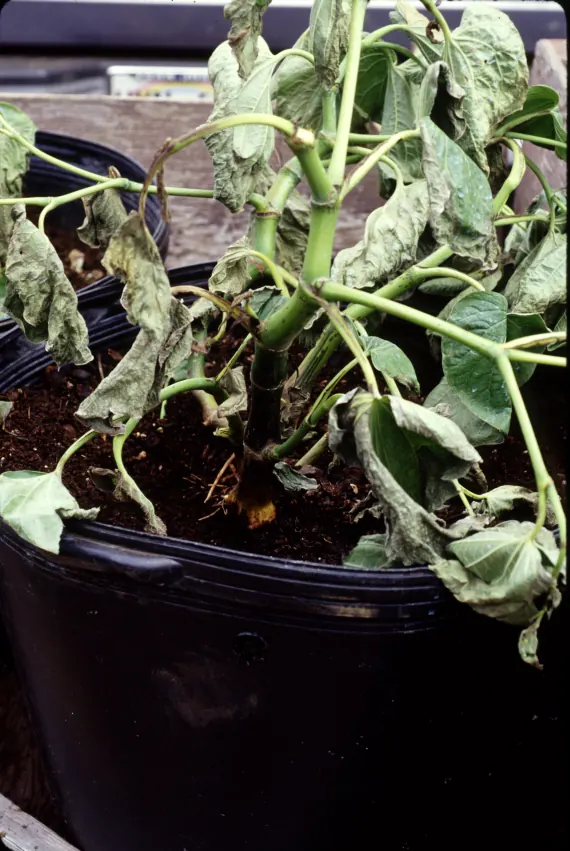
A dry potting mix is a common reason a heartleaf philodendron wilts. Feel the mix below the surface and lift the pot before watering; a light pot with dry mix often points to thirst.
Why it happens on a heartleaf philodendron
Heartleaf philodendron is a tropical climbing vine that grows in the understory of the tropical Americas. Its thin, heart-shaped leaves can droop when the mix dries, while its roots need air as well as moisture. In a pot, dense mix or standing water can leave roots short of oxygen, so wilting can happen even when the soil feels wet.
Likely causes, most common first
Dry potting mix
How to tell. Feel the mix a little below the surface and lift the pot. If the mix is dry deeper down and the pot feels light, the plant may be short of water. Leaves may look limp but not feel soft or mushy.
What to do. If the mix is dry, water it thoroughly until water runs from the drainage holes. Let the pot drain fully and empty any water left in its saucer or cover pot. Check the mix again before watering next time.
Waterlogged roots
How to tell. A heavy pot, persistently wet mix, or water standing in the cover pot can point to poor drainage or overly frequent watering. Wilting with wet mix can happen when roots are stressed and cannot take up water well.
What to do. Empty standing water and pause watering while the mix remains wet. Check that drainage holes are open. If the mix stays soggy or the plant continues to wilt, inspect the roots; trim away any that are clearly soft and rotting, then repot in fresh, well-draining mix.
Temperature stress
How to tell. Wilting after a cold draft, contact with a cold window, or a sudden move to a much hotter spot may point to temperature stress. Check whether the plant's location changed and whether leaves are also curling or developing damaged patches.
What to do. Move the plant to a stable, warm indoor spot away from cold drafts and direct contact with cold glass. Keep it out of harsh direct sun, which can heat or damage leaves. Check the mix before watering, since temperature stress does not always mean the plant is thirsty.
Restricted or disturbed roots
How to tell. If the plant wilts soon after watering and the mix dries unusually quickly, roots may be crowded. Roots growing densely around the root ball or through drainage holes can support this possibility. Recent repotting can also temporarily disturb roots.
What to do. Slide the root ball out gently to check it. If roots densely circle the pot, move the plant to a slightly larger pot with drainage and fresh, airy mix. After repotting, water thoroughly and let excess drain; avoid repeatedly disturbing the roots.
When it is normal
A single older lower leaf may yellow and droop as it ages while the rest of the vine stays firm. Whole-plant wilting is not a normal growth habit, so check the mix and the plant's location.
Keeping it from coming back
Use a pot with drainage and a loose, well-draining potting mix. Feel below the surface before watering, and water thoroughly when the mix has dried somewhat rather than following a fixed schedule. Empty excess water from the saucer or cover pot. Keep the vine in steady warmth and bright, indirect light.
The general guide
For any plant, see Why is my plant wilting?. For everyday needs, see Heartleaf philodendron care.