 PlantPal
Heartleaf philodendron brown tips: causes and what to check
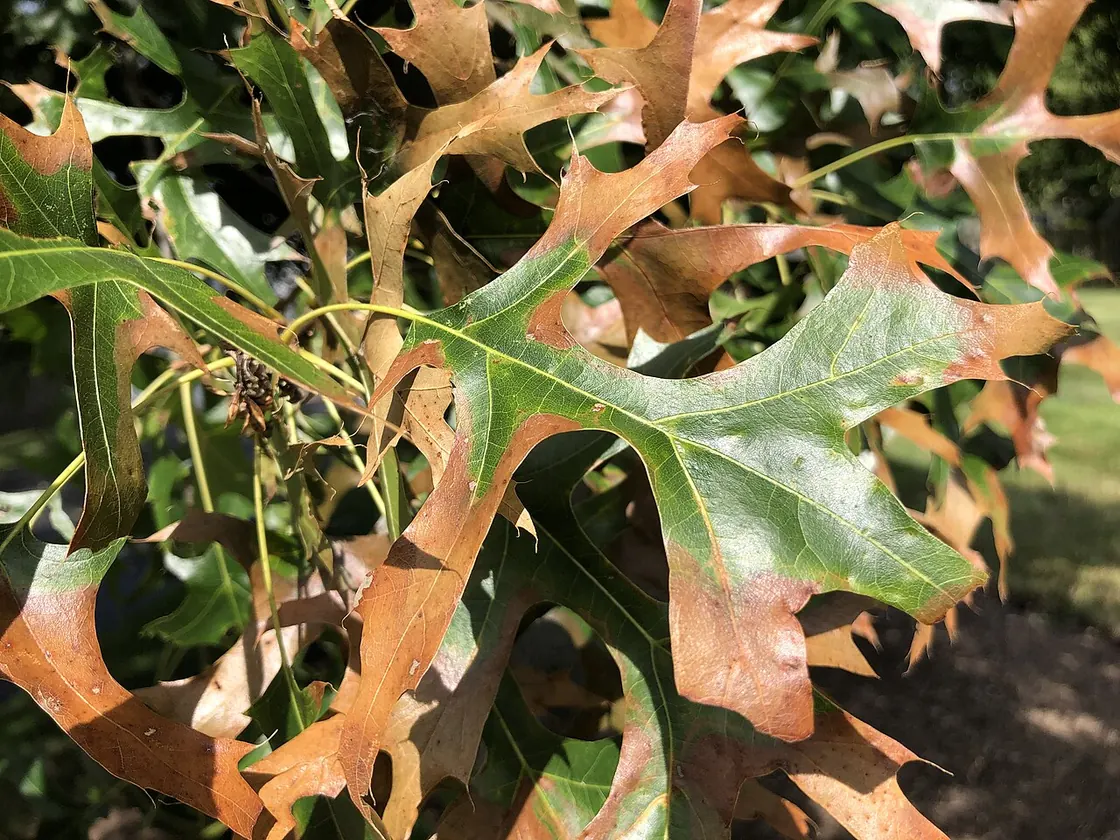
On heartleaf philodendron, brown tips and edges often follow a root ball that has dried too far or watering that swings between very dry and wet. Feel the mix below the surface first.
Why it happens on a heartleaf philodendron
Heartleaf philodendron is a tropical American climbing vine, often grown in a pot or trained up a support. Its heart-shaped leaves are relatively thin, and the plant can grow aerial roots along its stems. In a home, a small pot can dry unevenly, while a dense, wet mix can leave roots short of air. These traits make moisture checks more useful than assuming low humidity.
Likely causes, most common first
Very dry or unevenly watered mix
How to tell. If the mix feels dry well below the surface and the pot is unusually light, the root ball may have dried out. Tips can brown after a long dry spell or repeated swings between dry and wet.
What to do. If the mix is dry through much of the pot, water slowly until excess drains, then empty the saucer. Next time, check the mix with a finger and water when the upper portion has dried, rather than waiting for the whole root ball to become bone-dry.
Fertilizer salt buildup
How to tell. A pale or crusty deposit on the mix or pot rim, together with recent or frequent feeding, can point to fertilizer salts. The damage may affect several leaf tips, not only the oldest leaf.
What to do. Pause fertilizer while the plant recovers. If the pot drains freely and roots seem healthy, flush the mix with plain water and let it drain completely. Remove visible crust from the mix surface, and avoid feeding dry soil.
Mix staying wet and root stress
How to tell. If the mix stays wet for a long time, the pot remains heavy, or lower leaves also yellow, roots may be stressed by excess moisture. Check drainage holes; brown edges alone cannot confirm root damage.
What to do. Let the upper mix dry before watering again, and make sure water can escape and the pot is not standing in runoff. If it remains wet or roots look dark and mushy, trim damaged roots and repot in fresh, airy potting mix.
Hot, cold, or strong direct exposure
How to tell. If mix moisture and feeding seem appropriate, check for leaves near a heater, air vent, or cold window, or receiving strong direct sun. Damage concentrated on the exposed side may fit heat, cold, or sun stress.
What to do. Move it away from the direct path of vents and heaters, and use bright indirect light. Keep it out of harsh direct sun. If the room air is very dry, grouping plants can modestly raise local humidity, but check the mix before changing watering.
When it is normal
One older, lower leaf may develop a brown edge as it ages, especially if the rest of the vine is growing normally. If several leaves are affected or new leaves brown, check moisture and roots.
Keeping it from coming back
Use a pot with drainage and a loose, well-draining mix. Check moisture below the surface and water thoroughly when the upper part has dried, then discard runoff. Feed lightly during active growth rather than repeatedly adding fertilizer. Keep the vine in bright, indirect light, away from heating and cooling vents, and assess new leaves rather than expecting brown tissue to recover.
The general guide
For any plant, see Brown leaf tips and edges. For everyday needs, see Heartleaf philodendron care.