 PlantPal
Heartleaf philodendron root rot: causes and what to check
Heartleaf philodendron root problems often follow potting mix that stays wet too long. First, feel the mix below the surface and check that excess water can drain, then inspect roots for softness rather than relying on color.
Why it happens on a heartleaf philodendron
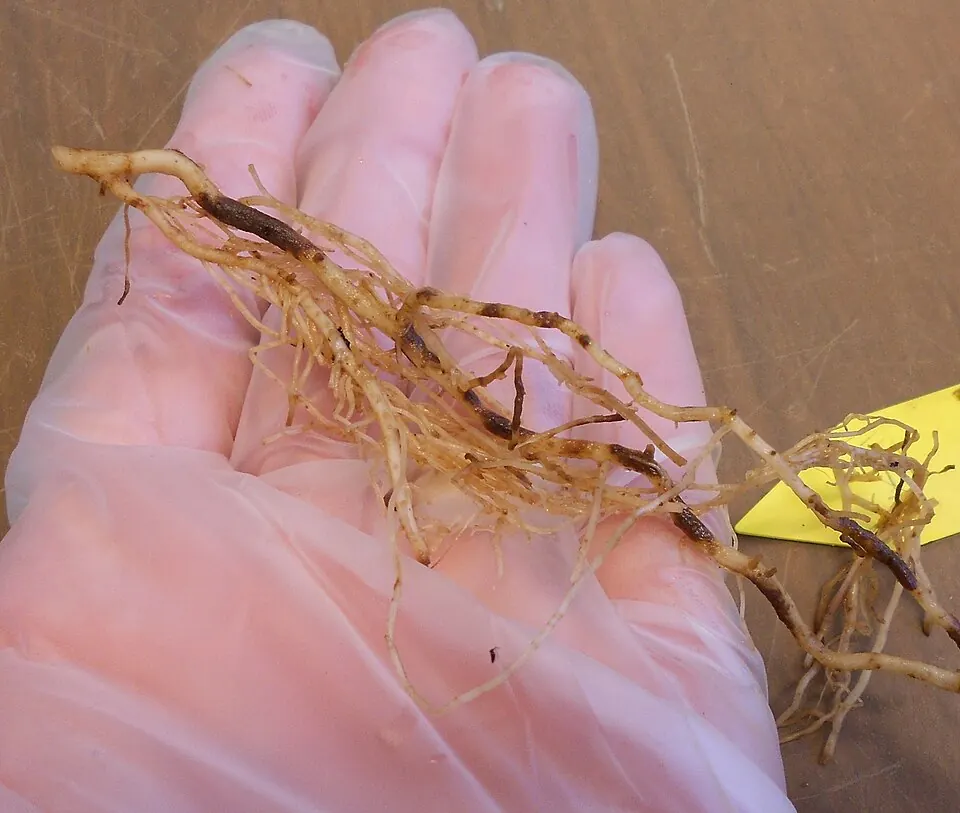
Heartleaf philodendron is a tropical climbing plant that can grow up trees and also adapts well to pots. Its roots need air as well as moisture, so mix that stays saturated can stress them. A plant may wilt even while the mix is wet. Root color alone is not a reliable guide; check whether roots feel firm or soft and fall apart.
Likely causes, most common first
Mix stays wet too long
How to tell. Feel the mix below the surface and lift the pot to judge how wet and heavy it is. Wilting or yellowing while the mix is still wet can be a clue, but does not confirm root rot. If possible, slide out the root ball and check whether roots are firm or mushy.
What to do. If the mix is wet, pause watering and empty any water collected in the saucer or cover pot. Check the drainage holes. If roots are soft and breaking apart, trim only damaged roots with clean shears and repot in fresh mix in a clean pot with drainage.
Poor drainage or dense potting mix
How to tell. After watering, check whether water drains from the pot and whether the mix remains soggy for a long time. A blocked hole, a pot without drainage, or dense mix can hold excess water around the roots even when you are not watering often.
What to do. Clear blocked drainage holes or move the plant to a pot with holes. If the mix is compact and slow to drain, repot into a fresh, airy potting mix. Avoid leaving the pot standing in drained water, and check that the new pot is not much larger than the root ball.
Watering again before the mix has dried
How to tell. Think about whether you water by habit or before checking the mix. The top can feel dry while lower down it is still damp. Check a little below the surface, and compare the pot's weight with how it feels when the mix is drier.
What to do. Let the mix become partly dry before watering again. Check below the surface rather than following a fixed schedule, and water thoroughly so excess can drain away. Recheck the mix as light, temperature, and growth conditions change.
Slow drying in low light or cool conditions
How to tell. A plant in a dim or cool spot may use water more slowly, so its mix can stay wet longer than expected. Check how much light reaches the leaves and whether the pot is near a cold window or draft.
What to do. Move the plant to a brighter spot with indirect light and away from cold drafts. Keep checking the mix before watering, since a change in location can alter how quickly it dries. Do not place it in harsh direct sun to make the mix dry faster.
When it is normal
One older lower leaf turning yellow and dropping can be part of normal growth, especially if the rest of the plant looks steady and roots feel firm. That alone does not show root rot; look for a pattern of worsening symptoms and check the mix.
Keeping it from coming back
Use a pot with drainage holes and a loose, airy potting mix. Water thoroughly, then let excess drain away; wait until the mix has partly dried before watering again. Check below the surface and lift the pot instead of using a fixed schedule. Reassess watering after moving the plant or when light and temperature change.
The general guide
For any plant, see Could it be root rot?. For everyday needs, see Heartleaf philodendron care.