 PlantPal
Heartleaf philodendron leaf spots: causes and what to check
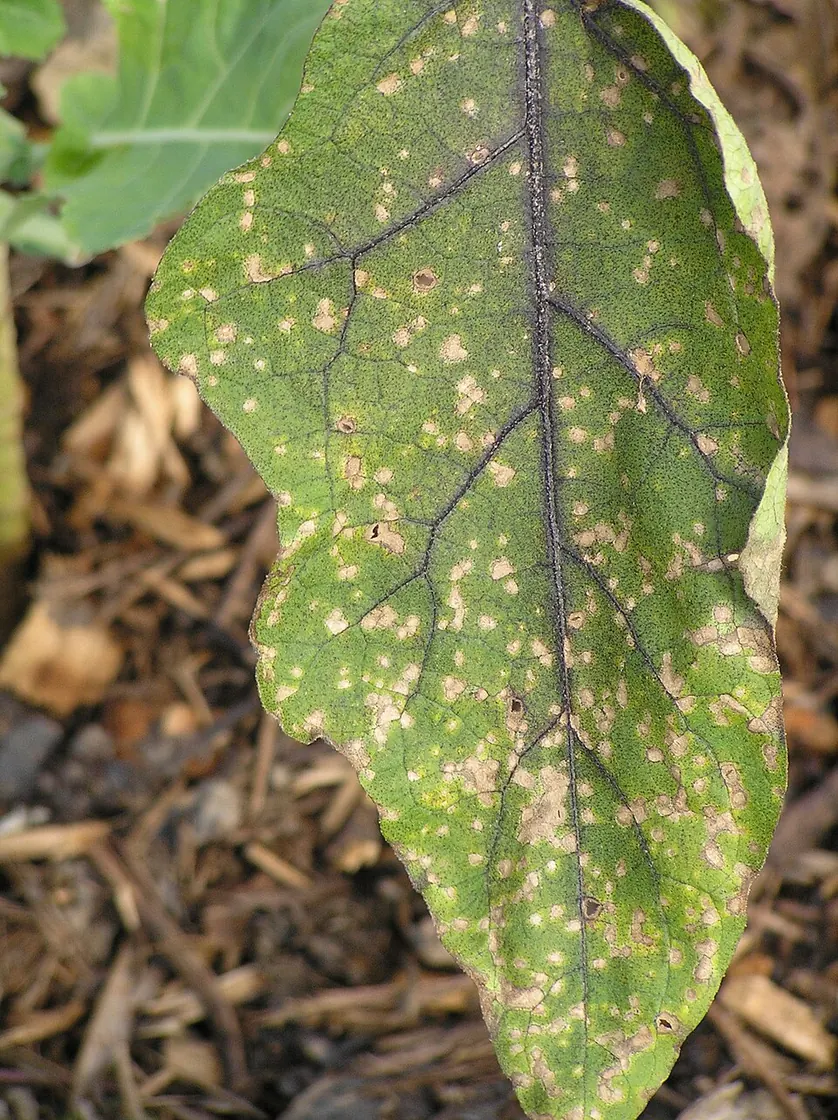
On heartleaf philodendron, a dry brown patch is often sun scorch after exposure to direct light. First inspect both leaf surfaces and compare the spot’s texture and spread, then check whether the plant was recently moved closer to a bright window.
Why it happens on a heartleaf philodendron
Heartleaf philodendron is a tropical climbing vine that grows in shaded forest conditions, where it can use trees for support. Indoors, its leaves can mark after sudden strong direct sun or cold exposure. Its roots need air as well as moisture, so persistently soggy mix can stress the plant; spots alone do not identify the cause.
Likely causes, most common first
Sun scorch
How to tell. A dry, tan-to-dark patch on the window-facing side can follow a move into direct sun. Check whether the mark is papery and limited to leaves closest to the glass. Sun damage usually does not keep spreading across a leaf.
What to do. Move it a little back from harsh direct sun, while keeping bright indirect light. Leave marked tissue in place unless most of the leaf is damaged. Watch new leaves and avoid changing several care conditions at once.
Leaf spot disease
How to tell. Wet-looking spots that enlarge or appear on more leaves can fit a leaf spot problem. Look under the leaves too, and note whether marks are spreading. Color alone cannot confirm the cause, and wet foliage or crowded leaves can make problems harder to assess.
What to do. Move the plant away from nearby plants while new wet spots are appearing. Water at the soil level and avoid keeping the leaves wet. Remove badly affected leaves with clean scissors, and use the general leaf-spots guide for further checks.
Cold exposure
How to tell. Dark, soft-looking patches can appear after a tropical heartleaf philodendron has been exposed to cold air or chilled against a window. Check for a recent cold draft, an open window, or leaves touching cold glass, especially if the marks appeared soon after.
What to do. Move the plant away from cold drafts and window glass, but keep it in bright indirect light. Keep conditions steady and watch for new damage. Existing injured tissue may remain marked, so judge recovery by whether new spots develop.
Persistently wet potting mix
How to tell. Spots can occur alongside stress when the mix stays wet for a long time. Feel the mix and lift the pot; a persistently heavy pot, limp growth, or yellowing leaves may point to root stress. Spots by themselves do not confirm a root problem.
What to do. Let the upper part of the mix begin to dry before watering again, and empty any water collected in the saucer. Check that the pot drains freely. If the mix remains wet or the plant keeps declining, inspect the roots for soft, damaged areas.
When it is normal
One small spot on an old lower leaf may remain after brief stress, such as a change in light or temperature. If it stays dry and unchanged and no new marks appear, monitor it; the damaged area will not turn green again.
Keeping it from coming back
Keep the vine in bright, indirect light and acclimate it gradually when changing its position. Keep it away from cold drafts and cold window glass. Water when the upper mix has begun to dry, let excess drain, and avoid leaving the pot standing in water. Check both leaf surfaces when inspecting the plant.
The general guide
For any plant, see Brown or black spots on leaves. For everyday needs, see Heartleaf philodendron care.