 PlantPal
Snake plant yellow leaves: causes and what to check
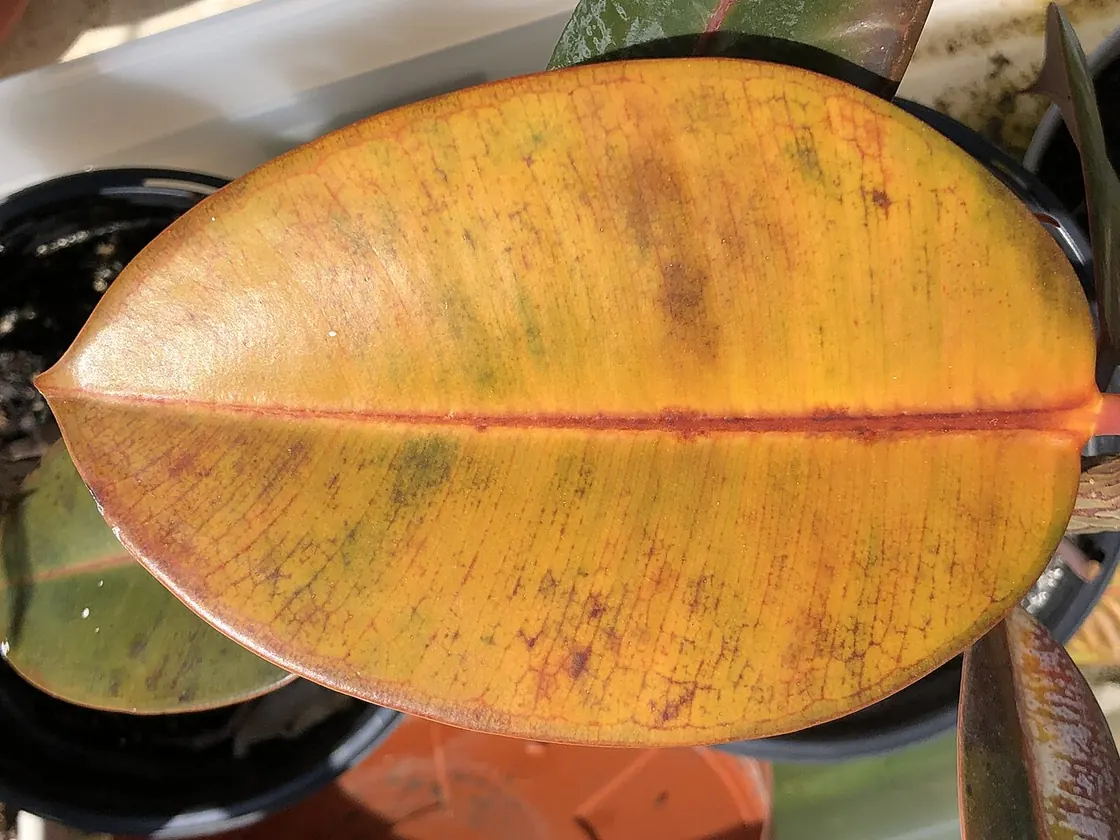
For snake plants, several yellow leaves are often linked to potting mix that stays wet, especially in a pot with poor drainage. Feel the mix below the surface and check whether the pot drains freely before watering again.
Why it happens on a snake plant
Snake plant grows from underground rhizomes, and its thick leaves store water. This helps it cope with dry spells, but it also means wet mix can take a long time to use up, especially in low light. Roots in persistently damp, poorly drained mix can become damaged, and leaves may turn yellow or soften. Check the mix and roots before adding water.
Likely causes, most common first
Mix staying too wet
How to tell. Feel the mix below the surface and lift the pot; it may feel damp and heavy for a long time. Several yellow leaves, soft leaf bases, or a sour smell can point to root trouble, but these signs do not confirm the cause on their own.
What to do. Empty any saucer or outer pot and let the mix dry well before watering again. Check that the pot has drainage holes. If the base is soft or yellowing continues in wet mix, inspect the roots and remove any that are mushy before repotting in fresh, freely draining mix.
An older leaf reaching the end of its life
How to tell. A single lower, older leaf that yellows gradually while the rest of the plant stays firm and healthy is often natural aging. Check whether new leaves are still growing and whether the mix is drying normally.
What to do. Keep an eye on the plant rather than changing its care based on one old leaf. Once the leaf is fully yellow, remove it near the soil line with clean scissors. If more leaves begin yellowing, check the mix, drainage, and leaves for pests.
Sap-feeding pests
How to tell. Look closely along leaf surfaces, edges, and bases for small insects, cottony patches, hard bumps, or fine webbing. Pests can weaken leaves and sometimes cause yellowing, though yellow leaves alone are not enough to identify an infestation.
What to do. Move the plant away from others and remove visible insects with a damp cloth or by washing the leaves. Check the plant again, including leaf bases, and repeat physical removal if needed. See the general pest guide for further steps.
When it is normal
One oldest lower leaf can yellow and die back gradually while the other leaves remain firm and new growth looks healthy. This is usually not a concern. Several leaves yellowing together, or soft leaf bases, deserve a closer check.
Keeping it from coming back
Use a pot with drainage holes and a freely draining potting mix. Before watering, feel below the surface and wait until the mix has dried well; then let excess water drain away. Snake plants tolerate lower light, but brighter indirect light can help the mix dry between waterings. Check leaves and their bases occasionally for pests.
The general guide
For any plant, see Why are leaves turning yellow?. For everyday needs, see Snake plant care.