 PlantPal
Snake plant leaves curling: causes and what to check
On snake plants, curled leaves often follow a very dry mix, though damaged roots can also limit water uptake. Check the newest leaves and their undersides for pests, then feel the mix before changing care.
Why it happens on a snake plant
Dracaena trifasciata is native to tropical West Africa and grows as upright, stiff leaves from underground rhizomes. Its thick leaves hold water, so it usually tolerates dry spells better than persistently wet soil. Curling is not its usual shape; changes in firmness or new-leaf growth are more useful signs than expecting old leaves to uncurl.
Likely causes, most common first
A very dry potting mix
How to tell. Feel the mix well below the surface and lift the pot. If the mix is dry and the pot feels light, the plant may be short of water. Leaves can curl inward or feel less firm, especially after a long dry spell.
What to do. If the mix is dry, water it thoroughly until water drains from the bottom. Empty the saucer and let the mix dry before watering again. If the mix is already damp, do not add water just because the leaves are curled.
Roots staying too wet
How to tell. A pot that stays heavy, damp mix, yellowing leaves, or a soft base can point to excess moisture or root trouble. If you are unsure, slide the root ball out and check whether the roots are firm or brown and mushy.
What to do. Check that the pot has drainage and that water is not sitting in a cover pot or saucer. If roots are soft or mushy, remove damaged roots and repot in fresh, well-draining mix. Let the mix dry between waterings.
Cold or abrupt light changes
How to tell. Curling can follow a cold draft or a sudden move into stronger direct sun. Think about recent changes near a window, door, heater, or outdoor spot. Look for other changes, such as pale or scorched patches, as well.
What to do. Move the plant away from cold drafts and intense heat, and give it a stable spot with bright indirect light. Avoid making several care changes at once. Watch whether new leaves open normally after conditions settle.
Pests on the leaves
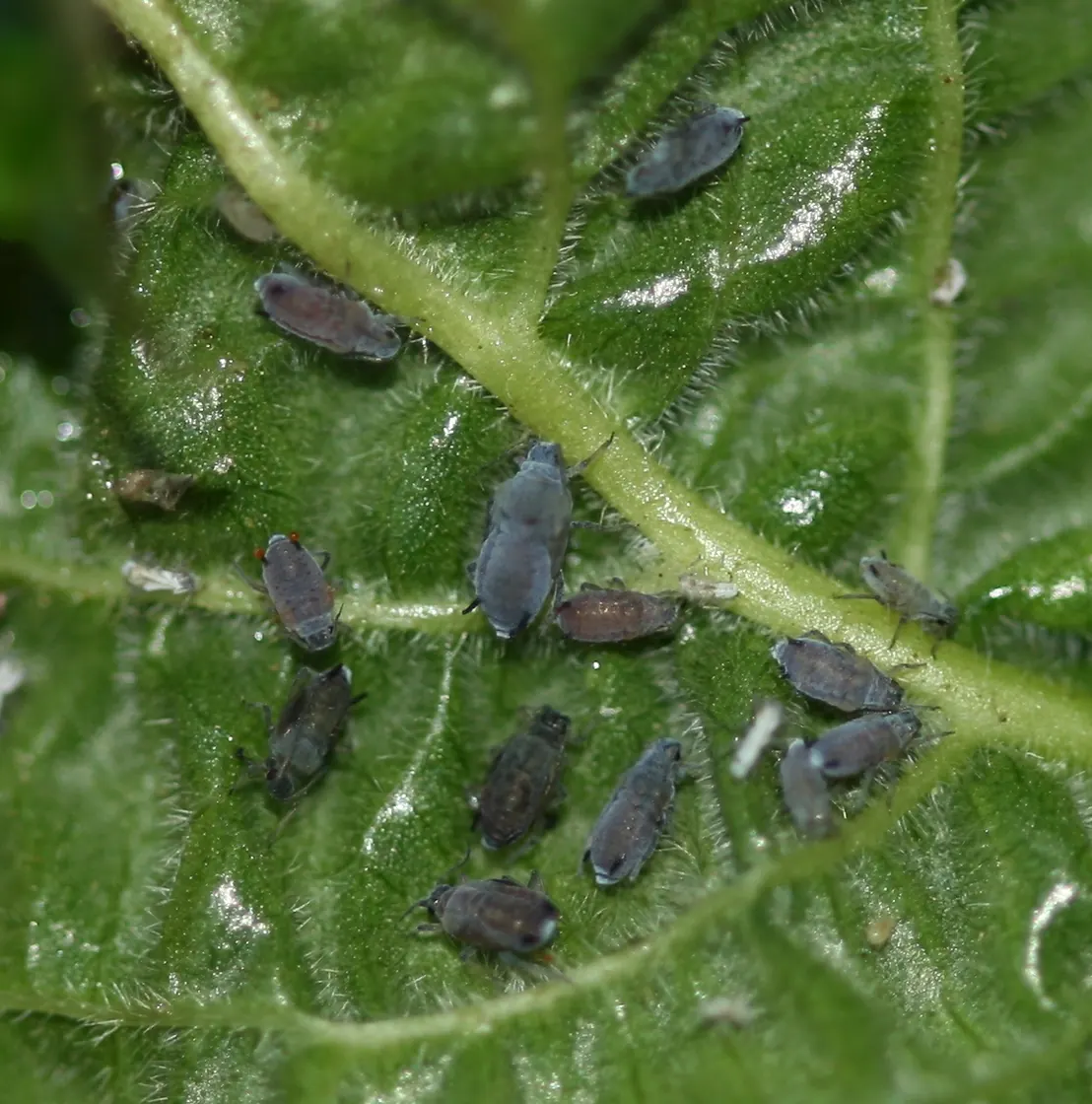
How to tell. Look inside curled areas, along leaf edges, and near the leaf bases for small insects, fine webbing, or sticky residue. Pests are more likely if new leaves are distorted or marked, rather than just one older leaf remaining curled.
What to do. Separate the plant from others. Wipe or rinse the leaves to remove visible pests, taking care not to leave water pooled at the leaf bases. Check again regularly and use the general pest guide for further steps.
When it is normal
A leaf that curled during an earlier dry spell may stay curled after the mix is corrected; old leaf tissue often does not regain its former shape. If only one older leaf is affected and new growth looks firm, keep monitoring it.
Keeping it from coming back
Use a pot with drainage and a mix that does not stay soggy. Feel the mix and lift the pot before watering; water thoroughly when the mix has dried, then empty the saucer. Keep the plant away from cold drafts and abrupt changes in direct sun. Check new leaves and their undersides when inspecting the plant.
The general guide
For any plant, see Why are the leaves curling?. For everyday needs, see Snake plant care.