 PlantPal
Snake plant wilting: causes and what to check
Snake plants store water in their thick leaves, so wilting is often linked to roots staying wet too long rather than a need for frequent watering. Feel the mix below the surface and check whether the pot drains freely.
Why it happens on a snake plant
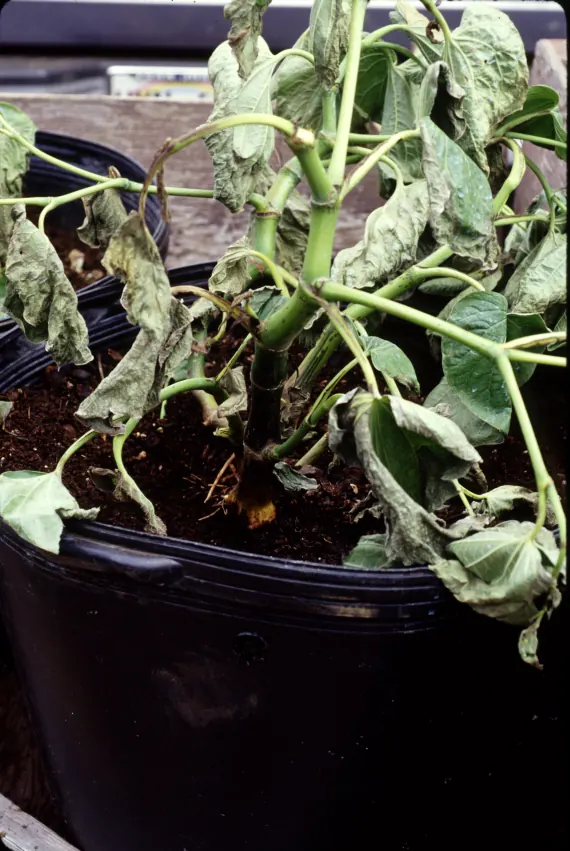
Dracaena trifasciata is native to tropical West Africa and grows from underground rhizomes. Its thick, upright leaves store water, so it usually tolerates dry mix better than prolonged wetness. The rhizomes and roots can suffer when water collects around them. A drooping leaf can also be bent or damaged rather than wilted; check whether it feels firm or soft at the base.
Likely causes, most common first
Wet mix and stressed roots
How to tell. Feel several centimetres into the mix and lift the pot. A persistently wet mix, a heavy pot, or water in the cover pot can point to poor drainage. Soft or dark areas near the leaf bases can mean the roots or rhizomes are affected.
What to do. Pour away standing water and make sure the pot's drainage holes are open. Pause watering while the mix is wet. If the base is soft or the plant keeps declining, remove it gently from the pot and inspect the roots and rhizomes before deciding whether to repot.
Very dry mix
How to tell. A very light pot and mix that is dry well below the surface can point to thirst. Leaves may feel less firm, though snake plants can hold their shape through a dry spell, so dryness alone does not confirm the cause.
What to do. If the mix is dry throughout, water it thoroughly until excess drains from the holes. Let the pot drain fully before returning it to a cover pot. Check the leaves and mix again later; do not add more water if the mix remains damp.
Cold exposure
How to tell. Consider cold if the plant was near a chilly window, draft, or outdoor cold spell before the leaves softened or collapsed. Cold-damaged leaves can develop soft or discoloured patches. Check whether the mix is wet too, since that can also stress the roots.
What to do. Move the plant to a stable, warmer indoor spot with bright indirect light, away from cold drafts. Keep the mix on the dry side while it recovers, and do not cut firm leaves. Remove a leaf only if it has become fully soft or collapsed.
When it is normal
An older outer leaf may gradually lean, yellow, and die as the plant grows. If it is only one old leaf and the rest remain firm, while the mix is not persistently wet, this can be normal aging rather than whole-plant wilting.
Keeping it from coming back
Use a pot with drainage holes and empty any water left in its cover pot. Let the mix dry well between waterings, checking below the surface rather than following a calendar. Keep the plant in bright, indirect light and away from cold drafts. Check the leaf bases occasionally for softness.
The general guide
For any plant, see Why is my plant wilting?. For everyday needs, see Snake plant care.