 PlantPal
Snake plant root rot: causes and what to check
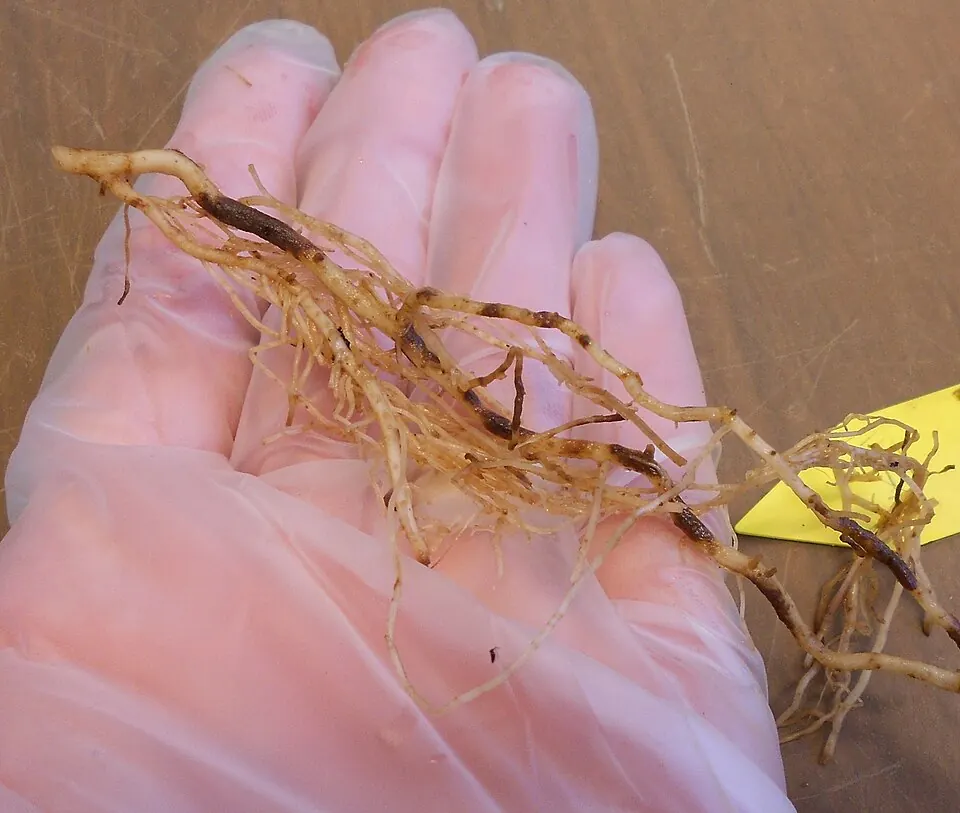
Root rot in snake plants is often linked to mix that stays wet too long. Before changing care, feel the mix and check whether the leaf bases or roots are soft, rather than judging by root color alone.
Why it happens on a snake plant
Snake plant, Dracaena trifasciata, is native to tropical West Africa. Its thick, upright leaves store water, and its roots grow from underground rhizomes. This helps it tolerate dry spells, but it also means the plant can use water slowly, especially in dim or cool conditions. If the mix stays wet, roots and rhizomes can soften and decay.
Likely causes, most common first
Watering before the mix dries
How to tell. The mix is still damp well below the surface, and the pot feels heavy. Yellowing, soft leaves or a mushy base can occur when roots or rhizomes stay wet, though these signs alone do not confirm rot.
What to do. Pause watering while the mix is wet, and empty any water from the saucer or outer pot. If the plant is unstable or the base is soft, ease it from the pot and inspect the roots and rhizomes.
Poor drainage or dense potting mix
How to tell. Water may linger in the pot, or the mix may feel compacted and stay damp for a long time. Check that the pot has drainage holes and that excess water can escape freely after watering.
What to do. If the mix is dense or the pot lacks drainage, move the plant to a pot with drainage holes and fresh, free-draining mix suited to succulents. Remove only roots or rhizome sections that are clearly mushy, using clean shears.
Mix drying too slowly in cool or dim conditions
How to tell. The plant is in a cool room or a spot with little light, and the mix takes much longer to dry than expected. Slow drying can leave this water-storing plant exposed to damp conditions for too long.
What to do. Move the plant to a brighter spot with indirect light, away from cold drafts. Let the mix dry thoroughly before watering again. Check moisture below the surface and lift the pot to help judge whether it is still holding water.
When it is normal
A dry mix, slightly wrinkled leaves, or firm roots that look dark are not by themselves evidence of root rot. One older outer leaf can also yellow as the plant grows, provided the base remains firm and the change does not spread.
Keeping it from coming back
Use a pot with drainage holes and a free-draining mix. Let the mix dry thoroughly before watering; check below the surface and lift the pot rather than following a fixed schedule. In cooler or dimmer conditions, the mix may dry more slowly. Keep the plant in bright indirect light and empty standing water.
The general guide
For any plant, see Could it be root rot?. For everyday needs, see Snake plant care.