 PlantPal
Pothos wilting: causes and what to check
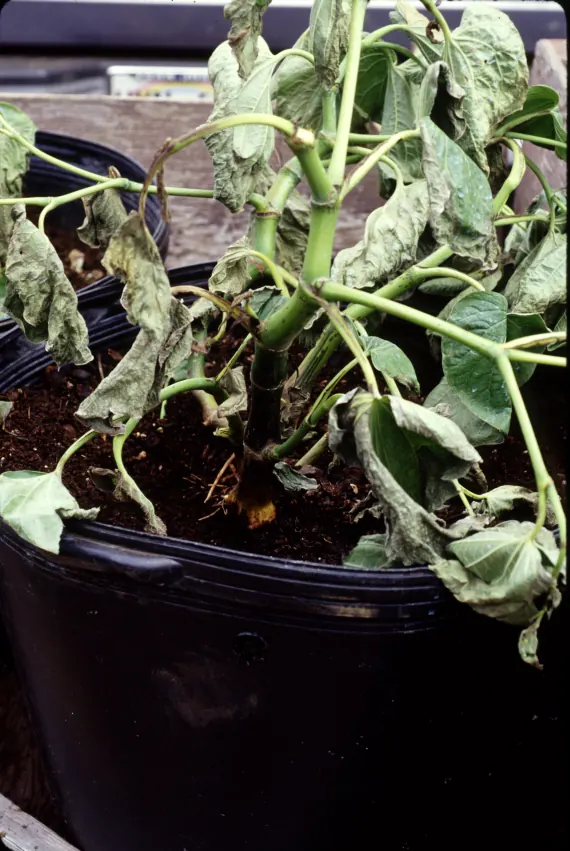
A dry potting mix is a common reason pothos wilts, especially when the pot feels light. Check moisture below the surface before watering, since soggy mix and poor drainage can also leave the leaves limp.
Why it happens on a pothos
Pothos is a tropical climbing vine that grows up trees and uses aerial roots to cling and climb. Its leaves are relatively thick, and the plant can tolerate some variation in indoor conditions, but its roots still need air as well as moisture. In a pot, mix that stays wet can stress the roots, while a small pot or dry mix can leave the vine short of water.
Likely causes, most common first
Dry potting mix
How to tell. Feel several centimetres below the surface and lift the pot. A dry mix and a pot that feels light often point to thirst. The leaves may look limp, and the mix may have pulled away from the pot edges.
What to do. If the mix is dry, water it thoroughly until water drains from the holes. Let the pot finish draining before returning it to a cover pot. Check the mix again before watering in future, rather than following a fixed interval.
Wet mix or poor drainage
How to tell. A heavy pot, persistently damp mix, or water left in a cover pot can indicate that the roots are staying too wet. Yellowing leaves or a soft stem base can occur too, but check the roots if wilting continues.
What to do. Empty standing water and pause watering while the mix remains wet. Check that drainage holes are open. If the plant stays wilted, slide it out carefully and look for roots that are dark, soft, or unpleasant-smelling; remove damaged roots and repot in fresh, free-draining mix.
Temperature stress
How to tell. Pothos can wilt after exposure to cold air, a chilly window, or strong heat from a vent or radiator. Consider whether the plant was recently moved or exposed to a sudden temperature change, and check the mix before assuming it needs water.
What to do. Move the plant to a spot with steadier indoor temperatures, away from cold drafts and direct heat. Keep its light bright but indirect. Recheck the mix and water only if it has dried enough; avoid compensating for temperature stress with extra water.
A crowded root ball
How to tell. If the pot dries quickly after watering, roots crowd the drainage holes, or the plant has little mix left around its roots, it may be root-bound. A crowded pot can make it harder to keep moisture even and may contribute to wilting.
What to do. Check the root ball when the mix is slightly moist. If roots densely circle it, move the plant to a pot only modestly larger, with drainage holes, and use fresh potting mix. Water it in, let it drain, then judge later watering by the mix.
When it is normal
One older lower leaf may droop and yellow as the pothos grows, while the rest of the vine remains firm. A brief droop after moving or repotting can also settle as the plant adjusts, provided the mix is not persistently wet or very dry.
Keeping it from coming back
Use a pot with drainage holes and empty its cover pot after watering. Check moisture below the surface and lift the pot so you can learn how its weight changes as the mix dries. Water thoroughly when the mix has dried enough, then let it drain. Keep the plant away from cold drafts and strong heat.
The general guide
For any plant, see Why is my plant wilting?. For everyday needs, see Pothos care.