 PlantPal
Pothos root rot: causes and what to check
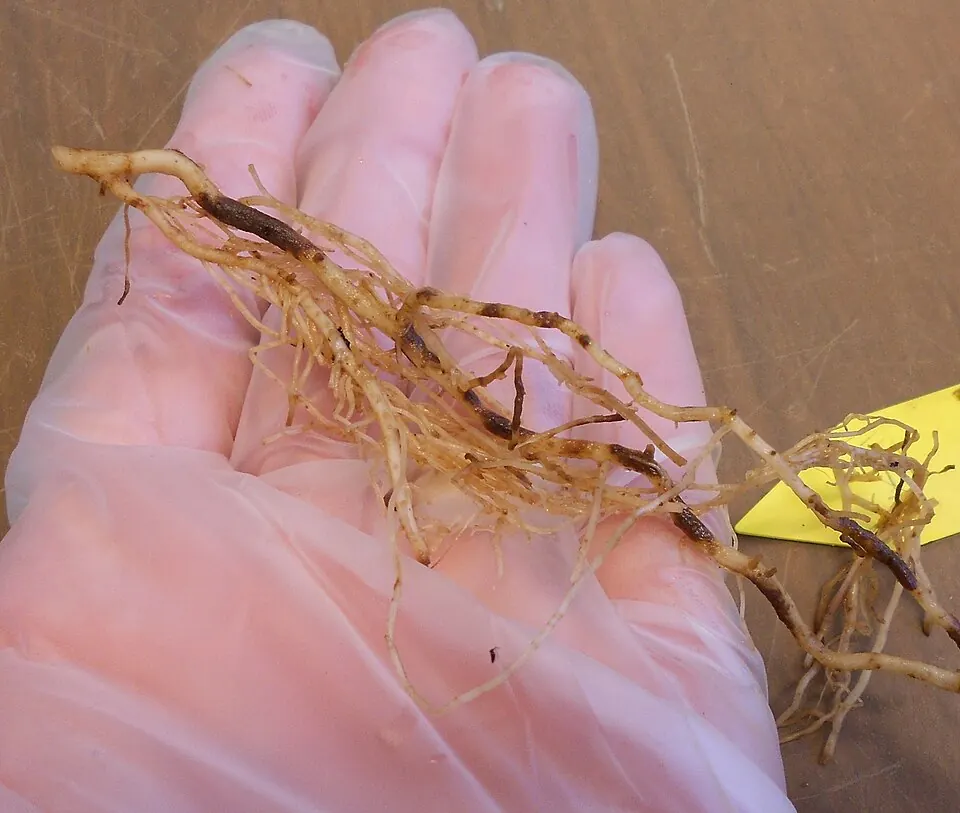
Pothos root rot is often linked to potting mix that stays wet and poorly aerated. First feel the mix and lift the pot; if it is wet and the plant wilts, check whether roots are firm or mushy.
Why it happens on a pothos
Pothos is a tropical climbing aroid with vines that can root at their nodes. In its natural habitat, it grows with support and its roots have access to air as well as moisture. In a pot, dense mix or water left in the saucer can keep roots too wet. Pothos can tolerate some drying, so check the mix rather than watering by a fixed schedule.
Likely causes, most common first
Mix stays wet too long
How to tell. Feel the mix below the surface and lift the pot. If it remains wet and heavy while the plant wilts or leaves yellow, roots may be stressed. Slide out the root ball if practical and check for roots that are soft or whose outer layer slips away.
What to do. Stop watering while the mix is wet, and empty any standing water. Inspect the root ball. If some roots are mushy but firm roots remain, trim only the mushy parts with clean shears and repot in fresh, suitable mix.
Poor drainage or compacted mix
How to tell. Check that the pot has drainage holes and that water can escape after watering. A pot that holds water in its base, or mix that feels dense and stays saturated, can limit air around pothos roots and raise the risk of rot.
What to do. Use a pot with open drainage holes and do not let it sit in collected water. If the mix is compacted or slow to drain, inspect the roots and repot in fresh, well-draining potting mix. Choose a pot that fits the remaining root ball.
Slow drying in dim or cool conditions
How to tell. Pothos uses water more slowly when growth is slow, such as in a dim spot or cool conditions. If the mix takes much longer to dry than before, while the pot feels heavy, the roots may be staying wet for too long.
What to do. Move the plant to a warm spot with bright, indirect light, avoiding harsh direct sun. Wait until the mix has dried partly before watering again. Check pot weight and mix moisture each time, since drying speed changes with conditions.
When it is normal
One older lower leaf turning yellow can be normal as a pothos vine grows. That alone does not point to root rot, especially if the mix is not persistently wet and the stems and roots feel firm.
Keeping it from coming back
Use a pot with drainage holes and a loose, well-draining potting mix. Water thoroughly, then let excess drain away; wait until the mix has dried partly before watering again. Check the mix and lift the pot instead of following a fixed schedule. In dimmer or cooler conditions, check for slower drying.
The general guide
For any plant, see Could it be root rot?. For everyday needs, see Pothos care.