 PlantPal
Peace lily yellow leaves: causes and what to check
Several yellow leaves on a peace lily often point to potting mix that stays too wet, especially if the pot drains poorly. Feel the mix below the surface and check that excess water can leave the pot.
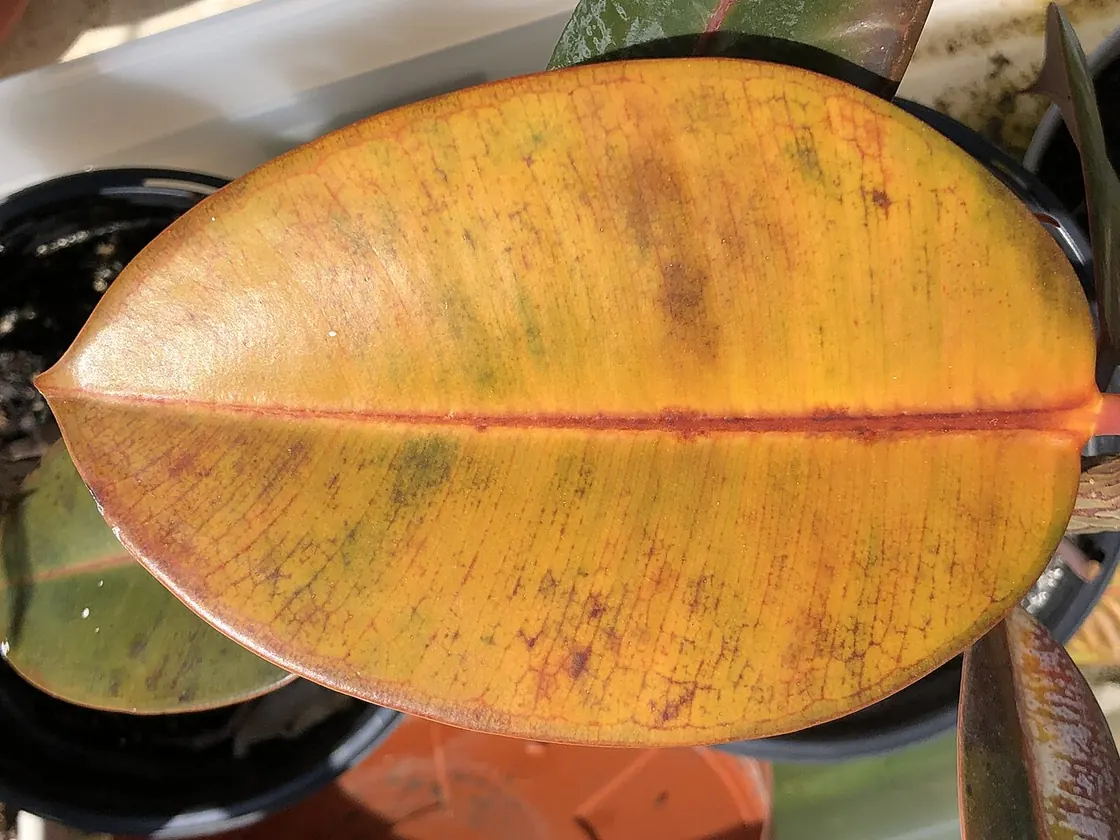
Why it happens on a peace lily
Peace lilies are tropical plants with broad leaves, adapted to warm, shaded conditions. They usually do best with evenly moist potting mix, but their roots need air and can suffer if the mix stays waterlogged. Their leaves also droop noticeably when the mix gets very dry, which can help you spot a watering problem. Bright direct sun can scorch or yellow the leaves.
Likely causes, most common first
Mix staying too wet
How to tell. Feel the mix below the surface and lift the pot; it may feel wet and heavy for a long time after watering. Check that the pot has drainage holes and that it is not sitting in water. Wilting while the mix is wet can be a sign of root stress.
What to do. Empty the saucer or outer pot and let excess water drain. Wait to water until the upper part of the mix has begun to dry, then water thoroughly and drain the pot. If the mix stays wet or roots look dark and soft, remove damaged roots and repot in fresh, well-draining mix.
Mix getting too dry
How to tell. The pot may feel light, and the mix can feel dry below the surface. Peace lily leaves often droop when they need water; if yellowing follows repeated drying, check whether the potting mix is pulling away from the pot edges.
What to do. If the mix is dry, water slowly and thoroughly until water drains from the bottom. Let the pot drain fully. Afterward, check the mix before watering again and aim to keep it from becoming completely dry for long periods.
Too much direct sun
How to tell. Look for yellowing or pale, dry patches on leaves that receive strong direct sun, especially near a bright window. Compare those leaves with ones on the more shaded side. Peace lilies grow best in bright, indirect light rather than harsh sun.
What to do. Move the plant a little farther from the window or use a sheer curtain to soften direct rays. Keep it in a bright spot with indirect light, and watch whether new leaves remain green. Avoid changing its light and watering conditions at the same time if you can.
Sap-feeding insects
How to tell. Check the undersides of leaves and along stems for small insects, fine webbing, sticky residue, or pale stippling. These signs can occur with pests such as spider mites or scale, though yellow leaves alone do not confirm an infestation.
What to do. Separate the plant from nearby plants. Wipe insects from leaves and stems, then wash the foliage with water, including the undersides. Recheck the plant and repeat physical cleaning if needed. See the general pest guide for further steps.
When it is normal
One older, lower leaf turning yellow while the rest of the plant looks healthy is often normal as the peace lily replaces aging leaves. Remove it with clean scissors once it is mostly yellow. Several leaves changing at once calls for checking the growing conditions.
Keeping it from coming back
Keep the peace lily in bright, indirect light and use a pot with drainage holes. Feel the mix before watering instead of following a fixed schedule; water thoroughly when the upper mix has started to dry, then empty collected water. Check leaves and the potting mix regularly so changes are easier to notice.
The general guide
For any plant, see Why are leaves turning yellow?. For everyday needs, see Peace lily care.