 PlantPal
Peace lily brown or black spots: causes and what to check
On peace lilies, dry brown patches are often leaf scorch after exposure to direct sun. Check both sides of the leaves and feel the spots: dry, stable marks differ from wet-looking spots that enlarge or appear on new leaves.
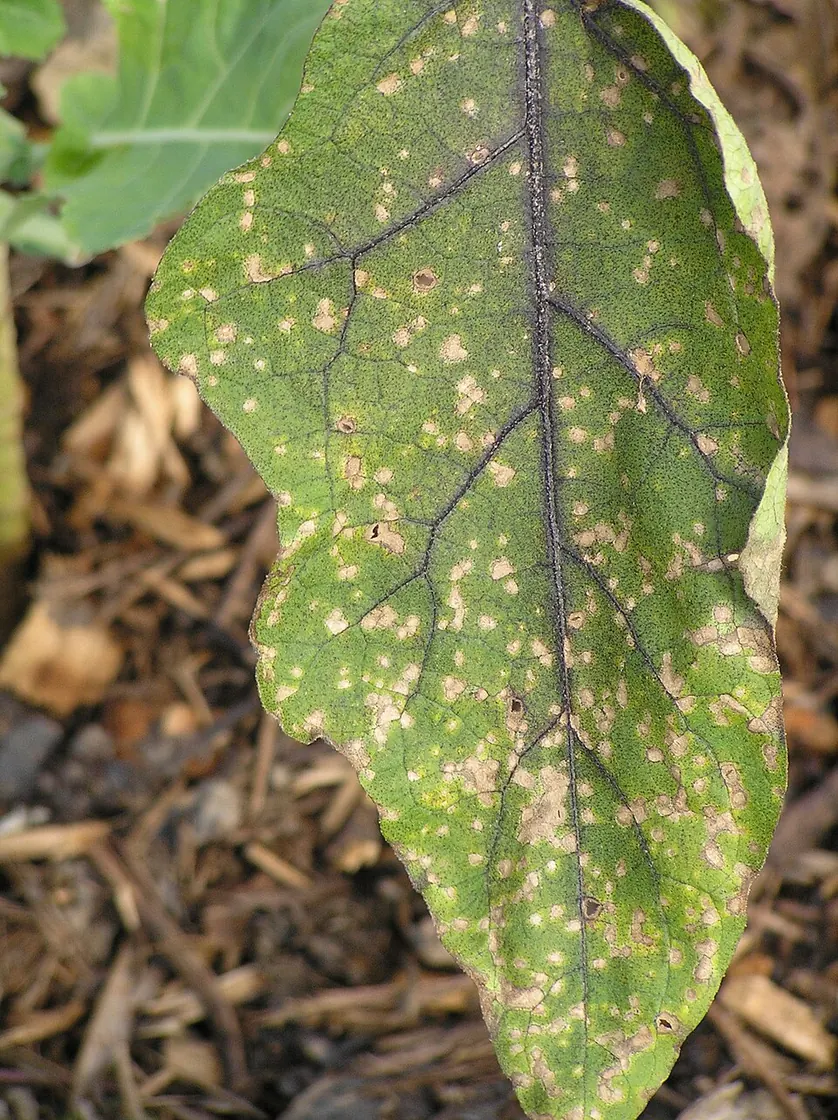
Why it happens on a peace lily
Peace lilies are tropical understory plants with broad, relatively thin leaves adapted to filtered light, so harsh direct sun can damage exposed tissue. They grow from a compact crown and prefer evenly moist, well-drained mix; roots can suffer when the pot stays waterlogged. Their large leaves make changes in light or watering easy to notice, but spot color alone does not identify the cause.
Likely causes, most common first
Direct sun scorch
How to tell. Scorch is more likely when marks are dry, tan to dark brown, and concentrated on the side facing a sunny window, especially after a move. The damaged area stays in place rather than becoming wet or spreading quickly.
What to do. Move the plant back from direct sun to bright, indirect light. Keep it out of intense afternoon rays. Leave the marked leaf while checking whether new leaves remain clear; damaged tissue will not turn green again.
Possible leaf-spot disease
How to tell. A leaf-spot disease is possible when spots look water-soaked, have yellow edges, or enlarge and appear on several leaves. Check both leaf surfaces and note whether new marks continue to form; appearance alone cannot confirm infection.
What to do. Keep the plant apart from nearby plants while new wet spots are appearing. Water the mix at soil level, avoid wetting the leaves, and remove badly affected leaves with clean scissors. Seek plant-specific help if spots keep spreading.
Waterlogged roots
How to tell. If the mix stays wet and the pot feels heavy, roots may be short of air. This can stress a peace lily and contribute to dark or yellowing leaves, though isolated spots do not prove root trouble.
What to do. Feel the mix below the surface and check that the pot drains freely. Let the upper mix begin to dry before watering again, and empty any cachepot or saucer. If roots are soft and dark, trim them and repot in fresh, airy mix.
Salt or fertilizer buildup
How to tell. Salt or fertilizer buildup can cause brown, crispy areas, often near leaf edges or tips. Look for a crust on the mix or pot rim and consider whether fertilizer has been used often or heavily.
What to do. Pause fertilizer while the plant recovers. If drainage is good, flush the mix with plain water and let it drain fully; otherwise repot into fresh mix. Resume feeding lightly only during active growth.
When it is normal
One older lower leaf gradually yellowing and then browning can be normal as it ages. Distinct spots that spread, appear on several leaves, or look wet are not something to assume is normal.
Keeping it from coming back
Keep the plant in bright, indirect light, away from strong direct sun. Water when the surface of the mix begins to dry, then let excess water drain; do not leave the pot standing in water. Avoid repeatedly wetting the leaves, and check both leaf surfaces when inspecting the plant.
The general guide
For any plant, see Brown or black spots on leaves. For everyday needs, see Peace lily care.