 PlantPal
Peace lily fungus gnats: causes and what to check
Little black flies around a peace lily often come from fungus gnat larvae in persistently damp potting mix. First check whether adults rise from the soil when you water or disturb the pot.
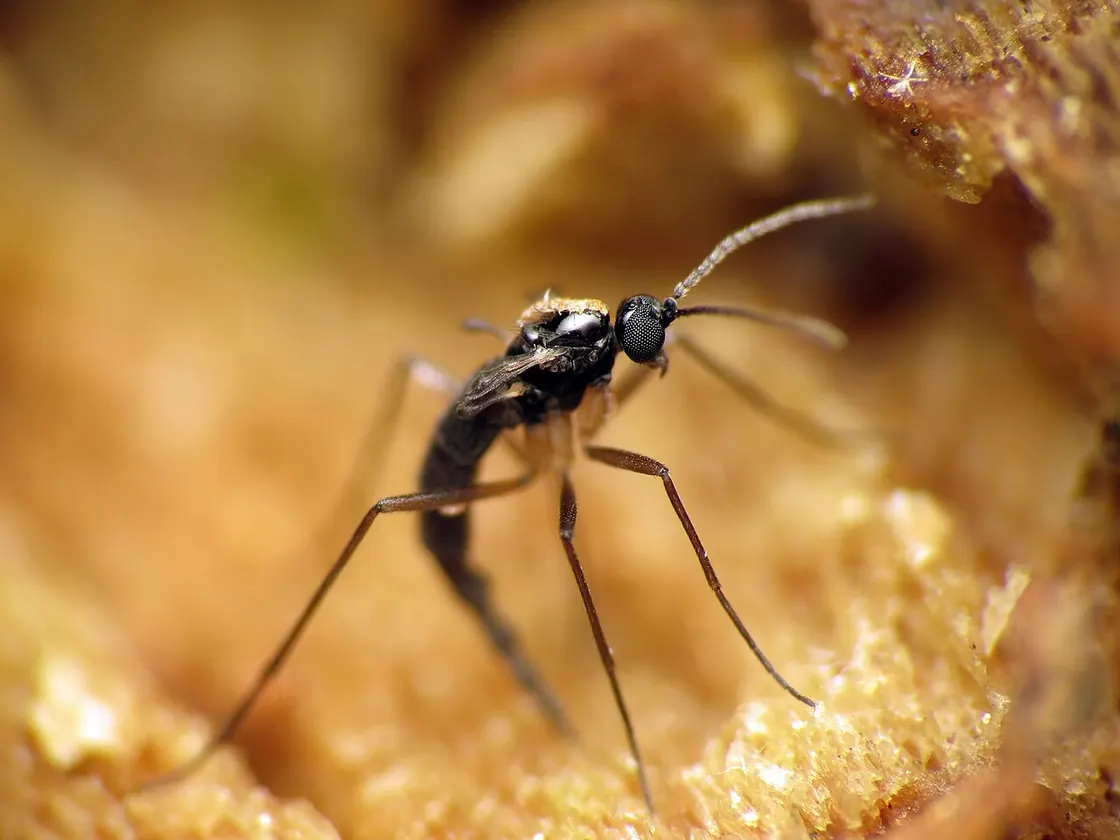
Why it happens on a peace lily
Peace lilies are tropical plants from the Americas that grow on shaded forest floors. Their broad leaves lose water, and they usually do best with potting mix kept lightly and evenly moist rather than left dry for long. That preference can keep the surface damp enough for fungus gnats if watering is frequent or drainage is slow. Their roots still need air, so standing water is not helpful.
Likely causes, most common first
Fungus gnats breeding in damp mix
How to tell. Fungus gnats are small, dark, weak fliers. Adults often lift from the pot when you water or touch the mix. The mix may stay wet near the surface, especially if the pot drains slowly or sits in water.
What to do. Let the upper surface of the mix dry somewhat before watering again, while watching for the peace lily to begin drooping. Empty water from the saucer or outer pot, and use a yellow sticky card to track adults; it will not remove larvae.
Gnats breeding in another damp pot
How to tell. Adults may gather around the peace lily even when they are breeding elsewhere. Check nearby houseplants by looking for flies that rise when you disturb their mix, and feel the soil in pots that remain damp for a long time.
What to do. Check other damp pots and remove fallen leaves or other decaying debris from their surfaces. You can move a visibly affected plant away from the peace lily while you monitor it. For further steps, see the general fungus-gnats guide.
Flies from fruit or a drain
How to tell. Not every small dark fly near a plant is a fungus gnat. If most flies gather around fruit, rubbish, or a sink rather than rising from potting mix, another nearby source may be more likely.
What to do. Observe where the flies gather, then check fruit, bins, and drains for a source. Clean up any overripe fruit or food scraps and keep the peace lily’s watering tied to how dry its mix feels, rather than changing it based only on nearby flies.
When it is normal
A single adult may wander near the plant without a breeding population in its pot. If flies do not repeatedly rise from the mix and their numbers are not increasing, check nearby sources before changing the peace lily’s watering.
Keeping it from coming back
Keep the peace lily’s mix lightly moist, but check the surface and pot weight before adding water. Make sure excess water drains freely and empty the saucer or outer pot. Remove fallen leaves and inspect nearby damp pots when small flies appear. Avoid letting the mix stay saturated, but do not force a long dry spell that makes the plant wilt.
The general guide
For any plant, see Little black flies around the pot. For everyday needs, see Peace lily care.