 PlantPal
Peace lily wilting: causes and what to check
Peace lilies often wilt when their potting mix has become too dry, and they may perk up after a thorough drink. First feel the mix below the surface and lift the pot; a wet, heavy pot calls for a different response.
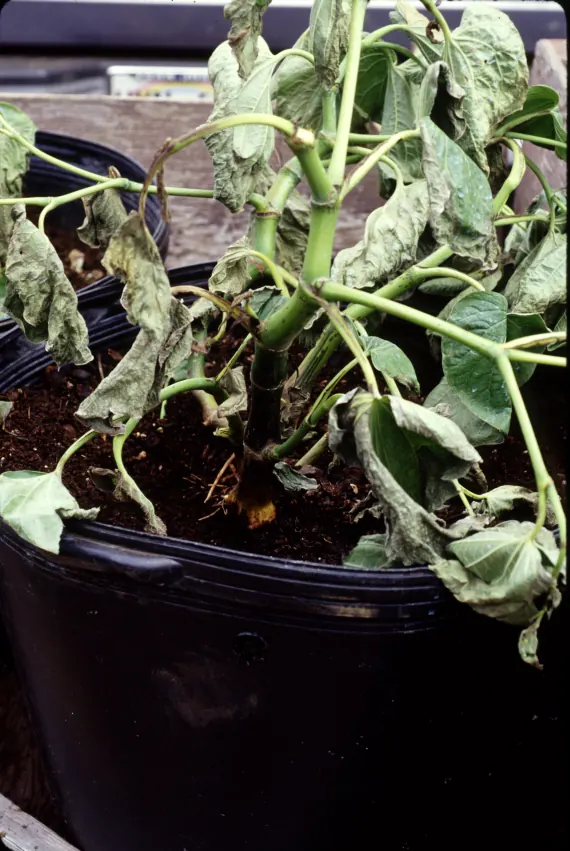
Why it happens on a peace lily
Peace lilies are tropical, clump-forming plants with broad, relatively soft leaves that can lose firmness quickly when the roots cannot supply enough water. They grow naturally in humid forest understories, so they do well in evenly moist—but not waterlogged—mix and indirect light. Their roots still need air, which means a pot that stays saturated can also lead to drooping.
Likely causes, most common first
Dry potting mix
How to tell. If the mix is dry several centimetres down and the pot feels light, thirst is a common explanation. Peace lily leaves can droop markedly as the root ball dries. Check the center of the pot too, since the surface can look dry while deeper mix remains damp.
What to do. Water the mix slowly until water comes through the drainage holes, then empty the saucer or cover pot. If water runs straight down the sides, soak the root ball evenly in stages. Recheck the leaves later; do not keep adding water if the mix is still wet.
Wet mix or poor drainage
How to tell. If the pot feels heavy and the mix is wet below the surface, especially with water trapped in an outer pot, excess moisture may be limiting root function. Yellowing leaves or a sour smell can add concern, but check the mix and drainage rather than relying on one sign.
What to do. Pour away standing water and pause watering while the mix begins to dry. Make sure drainage holes are open and the inner pot can drain freely. If the mix stays soggy or roots look brown and soft, trim damaged roots and repot in fresh, airy potting mix.
Heat or harsh direct light
How to tell. Wilting can follow hot direct sun, a hot windowsill, or dry airflow, even if the mix is not very dry. Look for leaves drooping most during warm periods and check the potting mix before watering; sun-exposed leaves may also show pale or scorched patches.
What to do. Move it to bright, indirect light and away from heaters, cold drafts, or hot glass. Let it settle and keep the mix appropriately moist, not saturated. If the mix is already damp, changing the location is safer than adding more water.
Crowded roots or difficult-to-wet mix
How to tell. If wilting returns soon after watering, water runs through immediately, or roots densely circle the root ball, the plant may be rootbound or its mix may have become difficult to wet. Slide it from the pot gently to inspect, rather than assuming it needs frequent watering.
What to do. When roots fill the pot, repot into a container only one size larger with drainage and fresh houseplant mix. Moisten the mix evenly after repotting and let excess drain. If roots are not crowded, return it to its pot and use the moisture checks above.
When it is normal
A brief, dramatic droop can happen as a peace lily's mix dries; it should regain firmness after thorough watering and drainage. Gradual loss of one older lower leaf can also occur, but persistent whole-plant wilting is not something to dismiss as normal.
Keeping it from coming back
Check the mix with a finger before watering; water when the top inch or so has dried rather than following a calendar. Water thoroughly, then drain the pot and empty its saucer. Use a pot with open drainage holes, and keep the plant in bright indirect light away from heat and cold drafts.
The general guide
For any plant, see Why is my plant wilting?. For everyday needs, see Peace lily care.