 PlantPal
Moth orchid yellow leaves: causes and what to check
A single oldest leaf often yellows as a moth orchid replaces older foliage. First check whether it is a lower leaf and whether newer leaves remain firm and green; several yellow leaves call for checking roots, light, and pests.
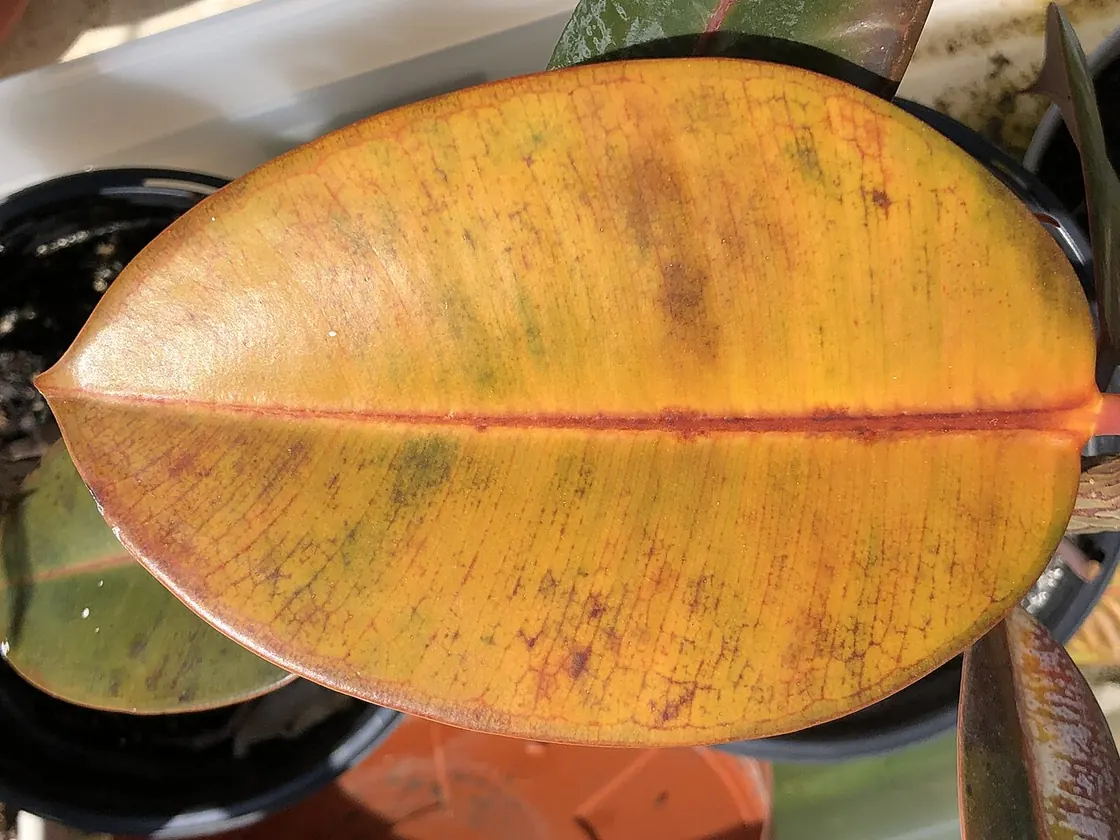
Why it happens on a moth orchid
Phalaenopsis grow as epiphytes in warm, humid tropical forests, rather than in dense soil. Their thick leaves hold some water, while their roots are adapted to air and a loose, fast-draining orchid mix. Roots that stay wet can lose function, so several yellow leaves alongside a soggy mix are a reason to check the roots and drainage.
Likely causes, most common first
Natural aging of a lower leaf
How to tell. Usually just one of the oldest leaves at the bottom turns yellow gradually. The leaves above it and the central growing point remain firm and green, with no signs of pests or a persistently wet mix.
What to do. Keep observing the plant and leave the leaf attached while it is partly green. It can still support the plant. Once it is fully yellow and dry, it may come away easily; do not pull a leaf that is still firmly attached.
Roots staying too wet
How to tell. Several leaves may yellow or become limp while the potting mix remains wet for a long time. Check the pot and roots: healthy roots are usually firm, while damaged roots can look brown or black and feel soft or hollow.
What to do. Empty any standing water and let the mix approach dryness before watering again. If it stays wet or roots look damaged, remove the plant from the pot, trim dead roots with clean scissors, and repot in fresh, airy orchid mix in a draining pot.
Too much direct sun
How to tell. Leaves exposed to strong direct sun can develop pale yellow or bleached areas, often on the side facing the window. The affected patches may feel dry or look scorched, while shaded leaves remain greener.
What to do. Move the orchid to bright, indirect light, or soften the sun with a sheer curtain. Check the leaves over the following weeks. Keep it out of harsh midday sun, but do not move it to a dim spot.
Insect pests
How to tell. Look closely under leaves, around leaf joints, and along the flower spike. Scale or mealybugs can appear as small fixed bumps or cottony patches; fine webbing or speckled leaves can also point to mites.
What to do. Isolate the orchid from other plants. Wipe visible insects away and wash the leaves gently, keeping water out of the crown. Recheck the plant and nearby plants. See the general pest guide for further steps.
When it is normal
One oldest lower leaf gradually yellowing can be normal as a moth orchid grows. This is less concerning when the other leaves stay firm and green and the center continues growing. Several leaves yellowing at once, or a soft crown, needs closer checking.
Keeping it from coming back
Use a loose orchid mix and a pot with drainage, and empty the saucer after watering. Check the mix and roots rather than following a fixed schedule; water thoroughly when the mix is nearly dry, then let it drain. Keep the plant in bright, indirect light and inspect leaf undersides regularly.
The general guide
For any plant, see Why are leaves turning yellow?. For everyday needs, see Moth orchid care.