 PlantPal
Moth orchid wilting: causes and what to check
For a moth orchid, limp or wrinkled leaves often mean its roots are not taking up enough water, either because the mix has dried or roots have been damaged by staying wet. First feel the mix and lift the pot.
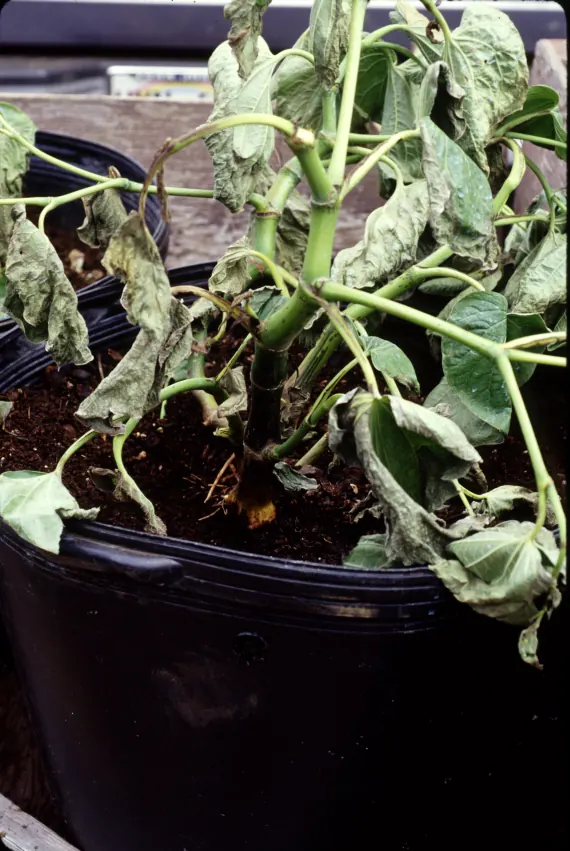
Why it happens on a moth orchid
Phalaenopsis are tropical epiphytes: in nature they grow attached to trees, not in water-retaining soil. Their thick leaves store some water, while fleshy roots take up moisture and need air around them. In pots, bark or moss can dry at different rates, and roots can lose function if the mix stays saturated or breaks down. Drooping leaves can reflect root trouble as well as a dry mix.
Likely causes, most common first
Dry mix and thirsty roots
How to tell. If the bark or moss is dry below the surface, the pot feels light, and roots look silvery rather than green, thirst is likely. Leaves may wrinkle; a very dry root ball can sometimes resist wetting.
What to do. Water the pot thoroughly, then let it drain completely. If water runs straight through dry bark, soak the pot briefly and drain it well. Check that the roots are taking up water and avoid leaving the pot in standing water.
Roots damaged by staying wet
How to tell. A heavy pot and mix that stays wet suggest poor drainage or too-frequent watering. Look through a clear pot if available: healthy roots are firm, while damaged roots can look brown or feel soft. Limp leaves can persist even in wet mix.
What to do. Empty any water from the cover pot and pause watering while the mix dries. Check that drainage holes are open. If many roots are soft or the mix has broken down, remove damaged roots and repot in fresh orchid mix.
Temperature stress
How to tell. Wilting that starts after a cold draft, contact with a cold window, or exposure to strong heat may point to temperature stress. Check whether leaves are limp across the plant and whether the potting mix is reasonably moist rather than very dry or saturated.
What to do. Move the orchid to a steady, warm indoor spot with bright indirect light. Keep it away from cold drafts, hot air vents, and intense direct sun. Check the mix before watering, since adding water will not correct temperature stress.
When it is normal
One oldest lower leaf can gradually yellow and shrivel as the orchid replaces it. This is usually different from several leaves becoming limp at once. Check the roots and mix if wilting affects multiple leaves or spreads.
Keeping it from coming back
Use a pot with drainage and an airy orchid mix. Feel below the surface and lift the pot before watering; water when the mix is nearing dry, then drain it fully. Check roots and replace mix if it has broken down and stays wet. Keep the orchid in steady warmth and bright indirect light.
The general guide
For any plant, see Why is my plant wilting?. For everyday needs, see Moth orchid care.