 PlantPal
Fiddle leaf fig wilting: causes and what to check
For a fiddle leaf fig, wilting often follows a potting mix that has become too dry, though waterlogged roots can look similar. Feel the mix below the surface and lift the pot before deciding whether to water.
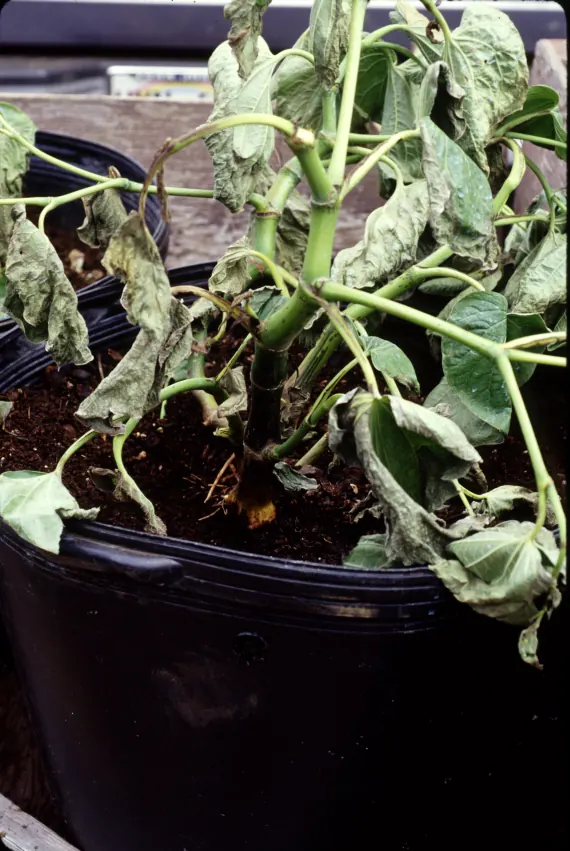
Why it happens on a fiddle leaf fig
Fiddle leaf figs are tropical African trees with large, leathery leaves. Indoors, they grow in containers where roots need both moisture and air. A pot that stays wet can limit root function, while a small or fast-drying pot can leave the leaves short of water. Their broad leaves may droop when conditions change, so check the mix and the plant's surroundings before acting.
Likely causes, most common first
Dry potting mix
How to tell. Feel several centimetres below the surface. If the mix is dry and the pot feels unusually light, the plant may be short of water. Dryness can develop faster in a warm, bright spot or when roots fill the pot.
What to do. If the mix is dry, water thoroughly until water runs through the drainage holes. Let the pot drain fully and empty any water in its cover pot or saucer. Check the mix again before watering next time.
Wet mix and stressed roots
How to tell. A heavy pot, persistently damp mix, or water standing in the cover pot can point to excess moisture. Wilting can happen even while the mix is wet if roots are not functioning well. Check for a sour smell or soft, dark roots if the problem persists.
What to do. Empty standing water and pause watering while the mix remains wet. Make sure drainage holes are open. If it stays soggy or the plant continues to wilt, inspect the roots and remove any that are soft and decayed before repotting in fresh, free-draining mix.
Cold draft or sudden temperature change
How to tell. Wilting that starts after a move, an open window, or a change in heating or air conditioning may be related to temperature stress. Check whether the plant is near a cold draft or a direct stream of heated or cooled air, as well as checking the mix.
What to do. Move the plant to a stable indoor spot away from drafts and direct airflow. Keep its light conditions similar when you relocate it. Do not add water unless the mix is dry; then observe whether the leaves recover as conditions stabilize.
Recent repotting or root disturbance
How to tell. If wilting began soon after repotting or moving the plant, disturbed roots may be taking time to settle. Check that the root ball is not loose in the pot and that the new container has drainage holes. Also feel the mix, since either dryness or excess moisture can add stress.
What to do. Keep the plant in steady conditions and avoid repeated moves or further root disturbance. Water only when the mix has dried appropriately, and let excess drain. If the pot has no drainage holes or the mix stays wet, correct those conditions.
When it is normal
A single older lower leaf may droop as the plant ages, especially if it is also yellowing. Whole-plant wilting, or several leaves drooping at once, is not a usual growth pattern and is worth checking.
Keeping it from coming back
Use a pot with drainage holes and a mix that drains freely. Before watering, feel below the surface and lift the pot so you can judge how dry it is. Water thoroughly when the mix has dried, then let excess drain away. Keep the plant in a stable spot away from cold drafts and direct heating or cooling airflow.
The general guide
For any plant, see Why is my plant wilting?. For everyday needs, see Fiddle leaf fig care.