 PlantPal
Fiddle leaf fig brown or black spots: causes and what to check
On fiddle leaf figs, dark spots often follow potting mix that stays wet too long and stressed roots. First feel the mix several centimetres down, lift the pot, and check whether spots are dry or spreading.
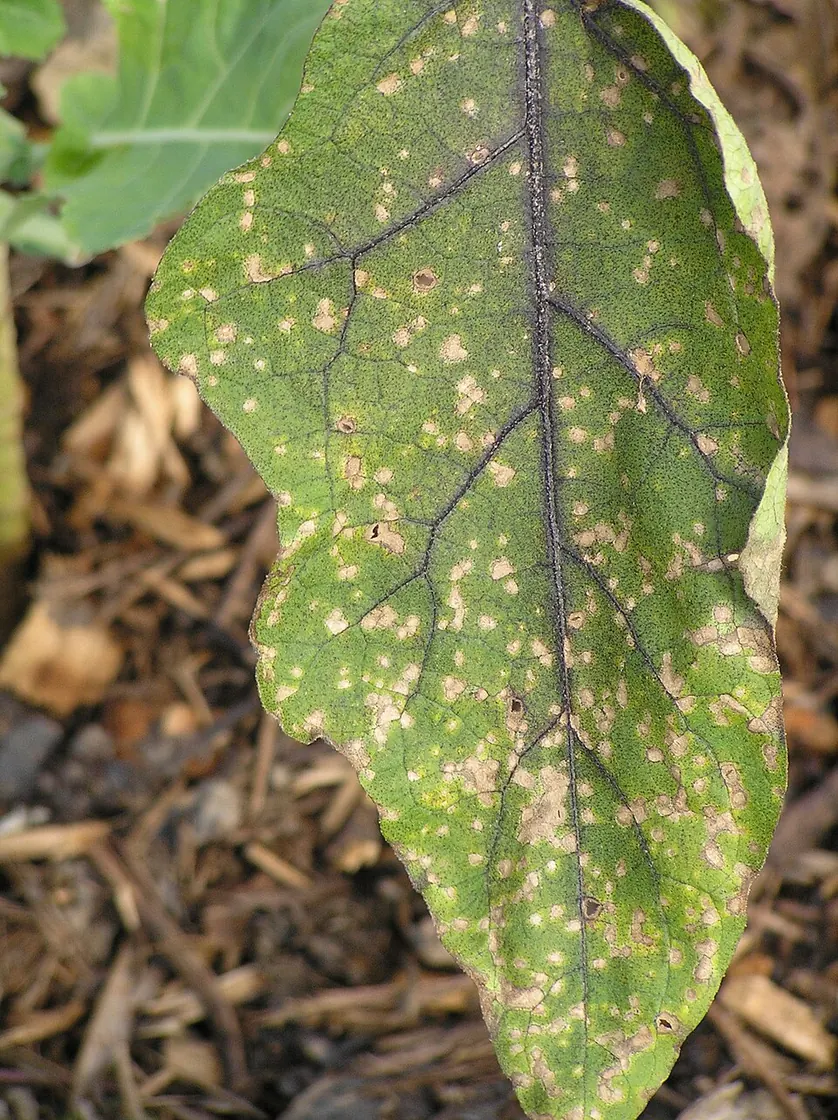
Why it happens on a fiddle leaf fig
Fiddle leaf fig is a tropical tree native to western Africa. Indoors, it grows large, leathery leaves on an upright stem. Its roots need both moisture and air, so mix that stays wet can stress them and is a common source of leaf problems. The broad leaves also show damage clearly, including marks from sudden changes in light or exposure to cold.
Likely causes, most common first
Mix staying too wet
How to tell. Feel several centimetres into the mix and lift the pot. If it is still damp and heavy, dark spots appear alongside yellowing, or lower leaves are affected, excess moisture may be stressing the roots. Check for a pot without drainage or roots that are soft and dark.
What to do. Let the mix dry partway before watering again, and empty any water left in the saucer or outer pot. Make sure the pot drains freely. If the mix stays wet or roots look soft and dark, inspect the root ball and remove clearly decayed roots before repotting in fresh, well-draining mix.
Leaf spot associated with wet leaves
How to tell. Wet-looking or dark lesions that enlarge or show up on several leaves can be consistent with leaf spot. Look at both leaf surfaces and compare the same marks over time. Spots alone cannot confirm an infection, so note whether they are spreading and whether foliage often stays wet.
What to do. Keep the plant apart from nearby plants while new wet spots are appearing. Water at soil level and avoid leaving water on the leaves. Remove badly affected leaves with clean tools if the spotting continues, and improve gentle air movement around the plant.
Sun scorch after a change in light
How to tell. Scorch is more likely when dry, tan or brown patches are on the side facing a bright window, especially after the plant was moved or direct sun increased. The damaged area usually does not look wet, and the marks do not spread across the leaf like growing lesions.
What to do. Move the plant out of harsh direct sun, or use a sheer curtain to soften it. Keep it in bright, indirect light. If you want to increase its exposure to direct sun, do so gradually and watch the leaves for new dry patches.
Cold air or a sudden temperature drop
How to tell. Dark, damaged patches can follow exposure to cold air, such as near a drafty window or exterior door. Check whether the affected leaves were closest to that source and whether the spotting appeared after a cold spell. Cold damage may remain on the leaf after conditions improve.
What to do. Move the fig away from cold drafts and places where temperatures change sharply. Choose a stable indoor spot with bright, indirect light. Keep the leaves from touching a cold window, and check for new damage after the plant has settled.
When it is normal
A single dry spot on an older leaf may be old damage rather than an active problem if it stays unchanged and the rest of the plant looks healthy. The mark will not turn green again; watch for new spots instead.
Keeping it from coming back
Use a pot with drainage and a mix that does not stay soggy. Before watering, check the mix and pot weight, and water when the mix has dried partway. Keep leaves dry when watering, provide bright indirect light, and avoid sudden moves into strong sun or cold drafts.
The general guide
For any plant, see Brown or black spots on leaves. For everyday needs, see Fiddle leaf fig care.