 PlantPal
Fiddle leaf fig speckled leaves: causes and what to check
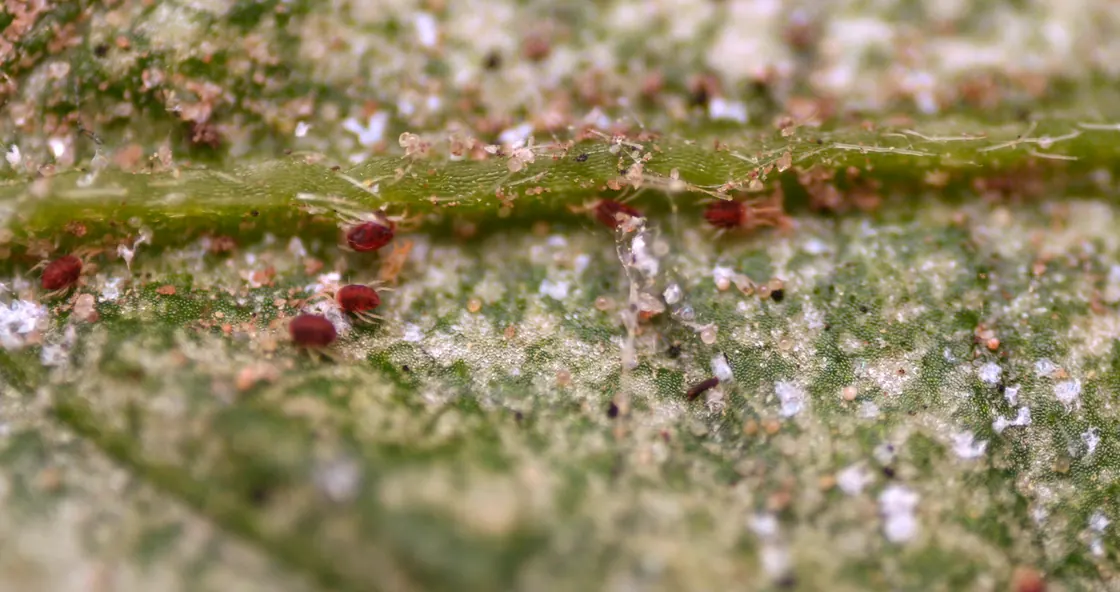
Fine pale stippling on fiddle leaf fig leaves is often caused by spider mites, especially in warm, dry indoor air. First inspect leaf undersides with a magnifier and tap a leaf over white paper for moving dots.
Why it happens on a fiddle leaf fig
Fiddle leaf fig is a tropical evergreen tree from western Africa, with large, firm leaves. Indoors, its broad foliage gives sap-feeding mites plenty of leaf surface, and the pests can be easy to miss underneath. Warm, dry rooms can favor spider mites. Check several leaves, since marks on one leaf alone do not confirm an infestation.
Likely causes, most common first
Spider mites
How to tell. Spider mites often leave many tiny pale pinpricks as they feed, with fine webbing sometimes underneath leaves. Tap a leaf over white paper and use a magnifier to look for moving dots; webbing alone does not confirm mites.
What to do. Move the fig away from other plants. If the foliage can be washed, rinse both leaf surfaces gently, concentrating underneath, and clear the runoff. Recheck undersides in a few days for moving mites or fresh stippling; use the spider-mites guide for further steps.
Thrips
How to tell. Thrips can also leave pale or silvery stippling, often with scuffed patches and small dark specks of waste. Inspect new growth and both leaf surfaces for slender insects; their damage may look more scratchy than the fine, even pinpricks of mites.
What to do. Isolate the fig, then wipe or rinse leaves gently, including underneath, and remove visible insects by hand. Check nearby plants and monitor new leaves. See the general pest guide for more help if marks continue.
Surface residue
How to tell. Dust or dried water and spray deposits can look like pale specks on the leaf surface. They usually sit on top rather than appearing as pinpricks within the leaf. Gently wipe a small area with a damp, soft cloth to see whether the marks lift.
What to do. Wipe the leaves gently with a clean damp cloth, supporting each leaf as you clean it. If the specks do not lift and new stippling appears, inspect underneath for pests rather than repeatedly scrubbing the leaf.
When it is normal
A few marks confined to one older leaf can remain from past damage, and that leaf may eventually yellow and drop as the plant grows. This is less concerning if no new leaves develop speckles and no moving pests are found.
Keeping it from coming back
Inspect leaf undersides and new growth during routine care, especially after bringing home other plants. Keep the broad leaves free of dust with a gentle wipe, and avoid placing the fig in hot, very dry air. Water when the potting mix has dried somewhat rather than keeping it constantly wet.
The general guide
For any plant, see Speckled leaves: check for spider mites. For everyday needs, see Fiddle leaf fig care.