 PlantPal
Calathea wilting: causes and what to check
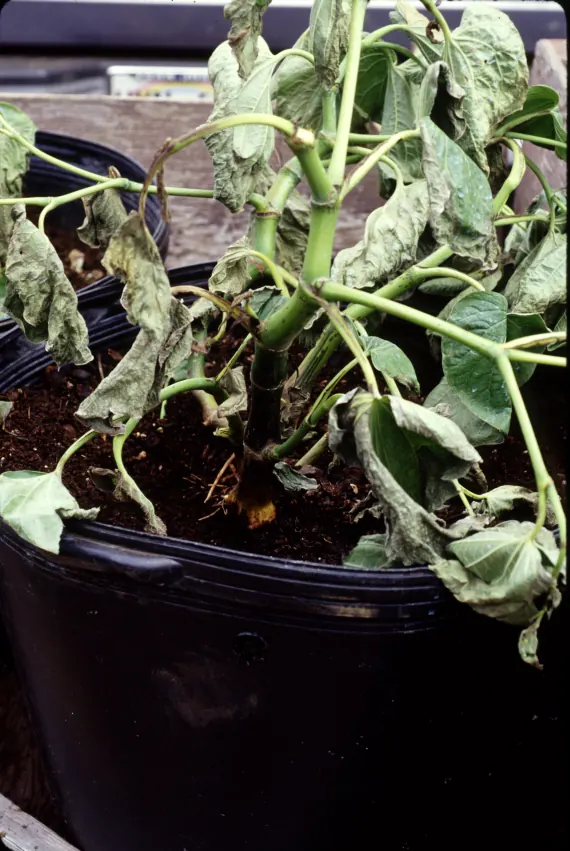
Calatheas often wilt when their roots have too little available water, but persistently wet mix can also cause drooping. First feel several centimetres below the surface and lift the pot.
Why it happens on a calathea
Most plants sold as Calathea are Goeppertia, tropical American understory plants with broad, thin leaves and shallow rhizomes. Their leaves can lose firmness quickly when the root zone dries, while roots need air and can suffer in persistently soggy mix. They also move their leaves in response to daily light changes, so a change in leaf angle alone is not always wilting.
Likely causes, most common first
Dry potting mix
How to tell. If the mix is dry several centimetres down and the pot feels light, thirst is likely. Leaves may hang or curl, and the mix can pull away from the pot edges. A dry surface alone is not enough to tell.
What to do. Water slowly until excess runs from the drainage holes, then empty the saucer or cover pot. If water runs straight through very dry mix, water in stages so the root ball can take it up. Check moisture before watering again.
Waterlogged mix or poor drainage
How to tell. A heavy pot, mix that stays wet, or water collected in an outer pot suggests poor drainage or too-frequent watering. Yellowing leaves or a soft, dark base can accompany root damage, but check the roots to confirm.
What to do. Pour away standing water and make sure the drainage holes are open. Let the mix become less wet before watering again. If it remains soggy or roots are dark and mushy, remove damaged roots and repot in fresh, airy mix.
Cold drafts or sudden heat
How to tell. Calatheas can droop after exposure to cold air, a chilly window, or direct heat. Check whether the change followed a move or a shift in conditions. Feel the mix too, since temperature stress and dry roots can look alike.
What to do. Move the plant to a warm spot with steady conditions, away from cold drafts and direct heat. Keep it in bright, indirect light, and avoid compensating by watering unless the mix is dry.
When it is normal
Some Goeppertia leaves change angle over the day and may stand more upright at night. This regular movement is not wilting if the leaves stay firm and the stems do not remain limp.
Keeping it from coming back
Use a pot with open drainage holes and a loose, moisture-retentive mix. Feel below the surface and lift the pot before watering; water when the surface begins to dry, then drain excess. Keep the plant in stable warmth and bright, indirect light, away from drafts and direct hot sun.
The general guide
For any plant, see Why is my plant wilting?. For everyday needs, see Calathea care.