 PlantPal
Calathea curling leaves: causes and what to check
Calathea leaves often curl when they lose water faster than the roots can replace it, commonly because the mix is too dry or the air is hot and dry. Check the leaf undersides and potting mix first.
Why it happens on a calathea
Many plants sold as Calatheas are now classified as Goeppertia. They are tropical plants with broad, relatively thin leaves, and many grow from rhizomes. Some fold their leaves at night as part of normal movement. Warm, dry air can increase water loss from the leaves, while persistently wet, poorly aerated mix can impair the roots’ ability to take up water.
Likely causes, most common first
Dry potting mix
How to tell. Feel the mix a few centimetres down and lift the pot. Dry mix and a very light pot support water shortage. Several leaves may curl inward, especially if the pot has dried quickly in warm or bright conditions.
What to do. If the mix is dry, water it thoroughly until excess drains from the pot, then empty the saucer. If water runs down the sides without soaking in, water slowly in stages. Check the mix again before watering next time.
Hot, dry air or a harsh draft
How to tell. Curling can follow a move near a heater, air conditioner, cold window, or strong direct sun. Check whether the leaves feel unusually warm or have dry, crispy edges, and consider whether the room conditions changed recently.
What to do. Move the plant to a spot with bright, indirect light and steadier temperatures, away from heating or cooling vents and cold drafts. Keep it out of strong direct sun. Check whether new leaves open normally after the change.
Sap-feeding pests
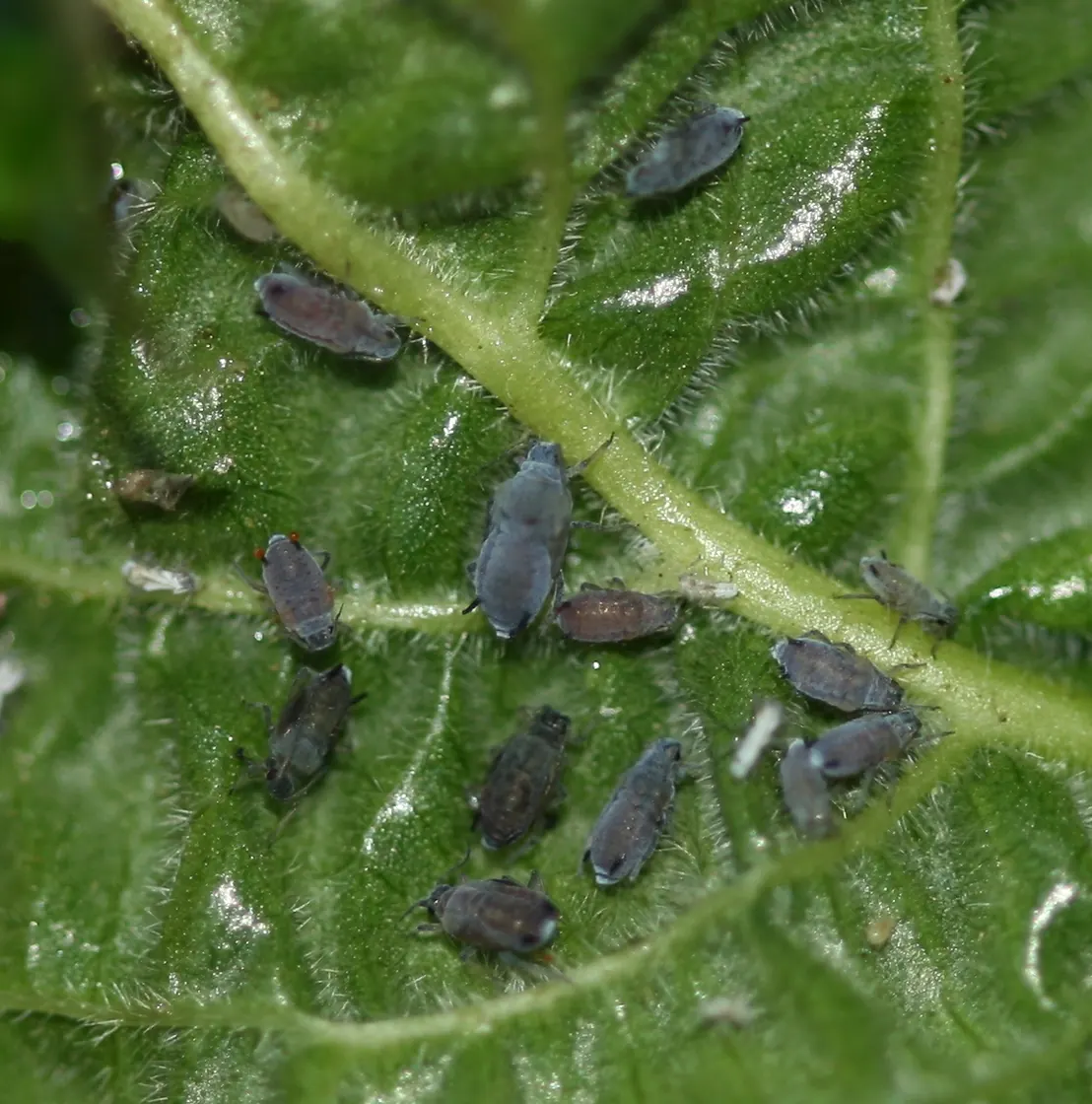
How to tell. Look closely at the newest leaves and their undersides for fine webbing, tiny moving insects, sticky residue, or pale stippling. Spider mites and other sap-feeding pests can damage leaves, though curling alone does not confirm an infestation.
What to do. Separate the plant from nearby plants. Wipe or rinse the leaves, including their undersides, to remove pests, and inspect again for signs of survivors. Use PlantPal’s general pest guide to choose further steps suited to what you find.
Roots stressed by persistently wet mix
How to tell. If the mix stays wet for a long time and the pot feels heavy, roots may be struggling to take up water. Check for a blocked drainage hole and, if you inspect the roots, note whether any are soft, dark, or unpleasant-smelling.
What to do. Make sure the pot drains freely and do not water again while the mix remains wet. If roots are soft or decayed, remove damaged roots and repot in fresh, well-draining mix in a pot with drainage. Check that the pot is not oversized.
When it is normal
Some Goeppertia fold their leaves at night and open them again in daylight. One older lower leaf can also curl as it ages. If the plant otherwise looks healthy, check whether the movement reverses and whether new leaves open normally.
Keeping it from coming back
Check the mix with a finger and lift the pot before watering; water when the mix has dried to an appropriate level for the plant, and let excess drain away. Keep the plant in bright, indirect light, away from vents and cold drafts. Inspect new leaves and their undersides regularly, and avoid leaving the pot standing in water.
The general guide
For any plant, see Why are the leaves curling?. For everyday needs, see Calathea care.