 PlantPal
Calathea speckled leaves: causes and what to check
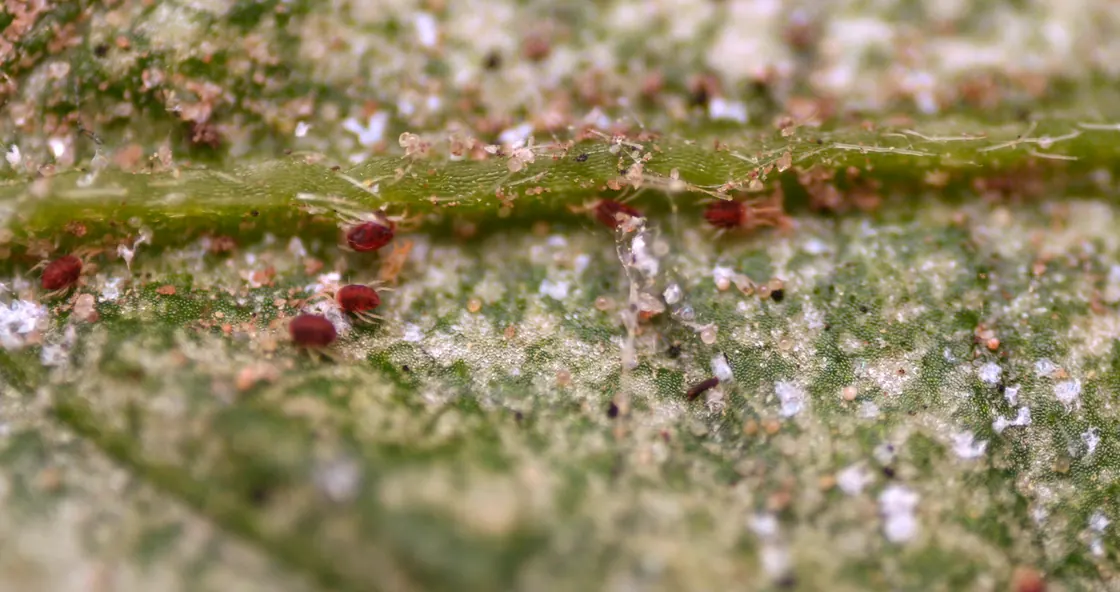
Fine pale speckles on Calathea leaves are often caused by spider mites, which can be hard to see. Check the undersides for moving dots and fine webbing before changing care.
Why it happens on a calathea
Goeppertia, formerly grouped under Calathea, are tropical plants with broad, often patterned leaves and rhizomatous roots. Many grow naturally in shaded, humid forest understories. Indoors, warm, dry air can make spider-mite damage more likely, while the leaves’ patterns can make new pale speckling harder to notice. Compare affected areas with the plant’s usual markings and inspect leaf undersides closely.
Likely causes, most common first
Spider mites
How to tell. Look for many tiny pale pinpricks, often spreading across a leaf, and fine webbing underneath. Tap a leaf over white paper and use a magnifier to check for moving dots. Webbing alone does not confirm mites.
What to do. Separate the plant from others and inspect nearby plants. If the leaves can be washed, gently rinse both sides, especially underneath, and clean up the runoff. Check again for moving mites or fresh speckling. See the spider-mites guide for more.
Thrips
How to tell. Thrips can also leave pale or silvery marks, often as irregular scarring rather than many even pinpricks. Look for slender moving insects on the leaves and tiny dark specks of waste, especially around folds and new growth.
What to do. Isolate the plant and inspect both sides of its leaves and the newest growth. Wipe or gently rinse foliage to remove insects, taking care not to leave the mix waterlogged. Keep checking the plant and its neighbors for new damage.
Mineral or water marks
How to tell. Dried water or mineral residue can leave pale marks on the leaf surface. These usually look like deposits rather than damage within the tissue and may partly wipe away with a damp, soft cloth. They do not cause fine webbing or moving dots.
What to do. Wipe a small marked area gently with a damp, soft cloth and see whether the mark lifts. Avoid scrubbing the delicate leaf. If marks return after watering or cleaning, use water with fewer minerals and avoid leaving droplets to dry on the foliage.
Leaf spot or other leaf damage
How to tell. Spots from leaf damage can be brown or dark, with defined edges, and may enlarge rather than appear as many tiny pale pinpricks. Check whether marks are on one leaf or spreading, and whether the mix stays wet for long periods.
What to do. Remove badly damaged leaves with clean scissors. Keep the plant in bright, indirect light, avoid splashing water between leaves, and let excess water drain freely. Check new growth and the mix; seek local plant-care advice if spots keep spreading.
When it is normal
Some Goeppertia cultivars naturally have contrasting leaf patterns, so stable markings that match the rest of the leaf can be normal. One older lower leaf may also develop marks as it ages; new speckling across several leaves merits a closer check.
Keeping it from coming back
Check leaf undersides regularly, especially when indoor air is warm and dry or after bringing home a new plant. Keep the plant in bright, indirect light and water when the mix has begun to dry near the surface, allowing excess to drain. Avoid crowding foliage, and rinse dusty leaves gently when needed.
The general guide
For any plant, see Speckled leaves: check for spider mites. For everyday needs, see Calathea care.