 PlantPal
Aloe vera yellow leaves: causes and what to check
Aloe vera leaves most often turn yellow when the potting mix stays wet and roots are stressed. First feel the mix several centimetres down, check that the pot drains freely, and see whether yellowing is limited to one old lower leaf.
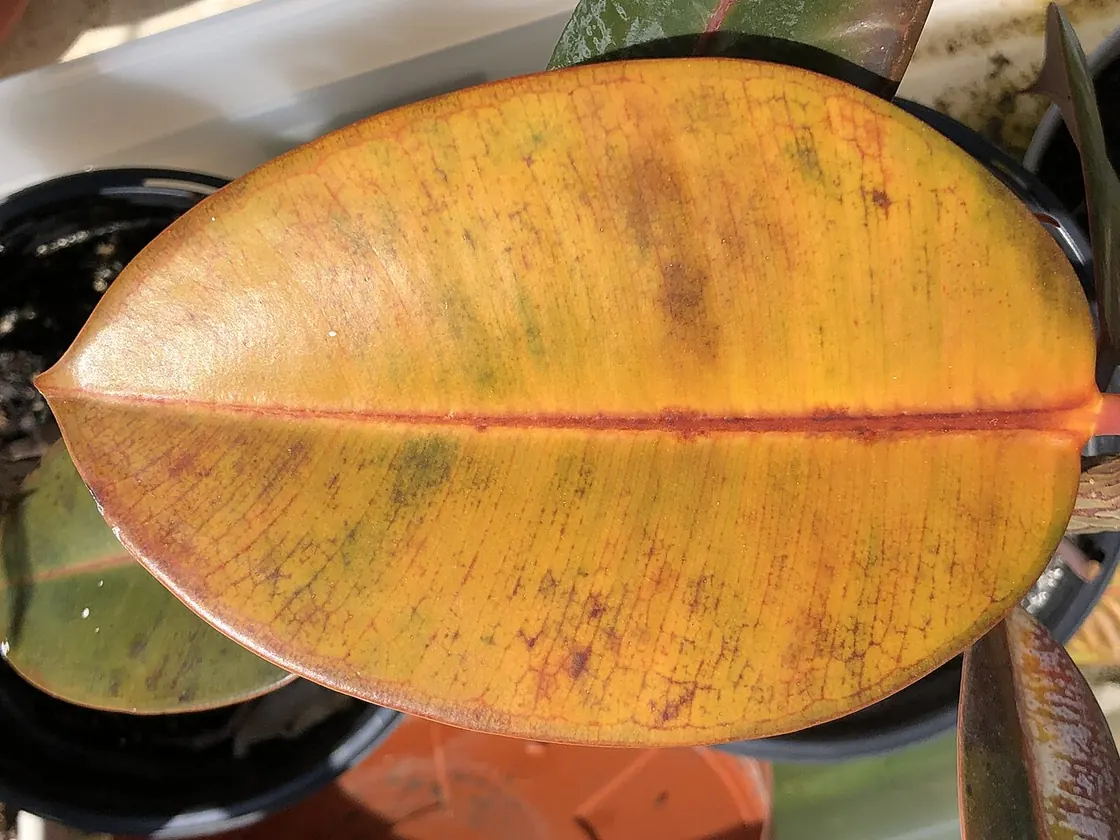
Why it happens on a aloe vera
Aloe vera is a succulent with fleshy leaves that store water, so it can tolerate dry spells better than persistently wet soil. It grows in a rosette and has roots that need air around them. In a pot without good drainage, wet mix can leave roots short of oxygen and contribute to yellowing. The plant grows best in bright light, but can need time to adjust to stronger direct sun.
Likely causes, most common first
Mix staying wet
How to tell. Several leaves may turn yellow or feel soft, especially near the base. Feel the mix below the surface and lift the pot; wet, heavy soil that stays damp suggests it is not drying well. If the plant wilts despite wet mix, check the roots for dark, mushy areas.
What to do. Empty any saucer and let the mix dry well before watering again. Check that the pot has drainage holes and that excess water can escape. If the mix stays wet or roots look soft and dark, remove damaged roots and repot in fresh, free-draining succulent mix.
Light stress
How to tell. Aloe in too little light can become pale and stretched, with leaves leaning toward a window. A sudden move into strong direct sun can cause bleached yellow patches, often followed by dry or brown areas. Consider recent changes in placement and how much direct sun reaches the leaves.
What to do. Place the plant where it gets bright light. If it has been in low light, increase its exposure gradually rather than moving it straight into strong sun. If yellow patches followed a move into intense direct sunlight, shift it to a less intense bright spot and watch new growth.
Sap-feeding pests
How to tell. Mealybugs or scale can sometimes weaken an aloe and contribute to yellowing. Look closely where leaves meet the stem and under the leaves for small insects, white cottony patches, or raised brown bumps. Check nearby plants too, since pests can spread between plants.
What to do. Keep the aloe apart from other plants while you inspect it. Wipe visible insects away and wash the leaves gently, taking care not to leave water sitting in the rosette. Recheck the plant and nearby plants; see the general pest guide for further steps.
When it is normal
One of the oldest leaves at the bottom can yellow and dry as the aloe grows, while newer leaves remain firm and healthy. Remove that leaf once it is fully dry. Several yellowing leaves or changes in new growth call for a closer check.
Keeping it from coming back
Use a pot with drainage holes and a free-draining mix suited to succulents. Before watering, feel the mix below the surface and wait until it has dried well; empty the saucer afterward. Keep the aloe in bright light and adjust gradually when moving it to stronger sun. Check leaves and their bases when you inspect the plant.
The general guide
For any plant, see Why are leaves turning yellow?. For everyday needs, see Aloe vera care.