 PlantPal
Aloe vera wilting: causes and what to check
Aloe vera often wilts when its roots stay wet and lose function, though a very dry mix can also make leaves droop. Feel the mix below the surface and lift the pot before watering.
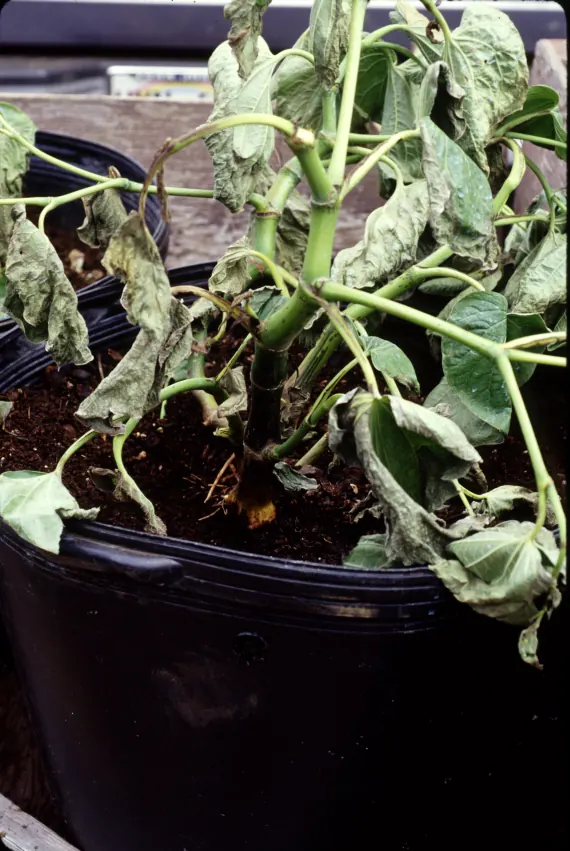
Why it happens on a aloe vera
Aloe vera is a drought-adapted succulent with thick leaves that store water. It grows as a rosette, and its roots need a well-draining mix rather than prolonged wetness. Leaves that lose firmness can reflect stress, but changes may take time to show because the leaves hold water. Check the mix and the plant’s base before deciding whether it needs water.
Likely causes, most common first
Dry potting mix
How to tell. Feel several centimetres into the mix and lift the pot. A very dry mix and a light pot, along with leaves that look thinner or curl inward, can point to thirst. Check that the leaves are still firm at the base rather than soft or mushy.
What to do. If the mix is dry, water it thoroughly until water drains from the holes. Empty the saucer or cover pot, then let the mix dry well before watering again. Avoid small, frequent sips that keep only the top of the mix damp.
Roots staying too wet
How to tell. A heavy pot, damp mix, or water standing in the outer pot can indicate excess moisture. Aloe leaves may become soft or yellow, and the base may feel mushy. If the plant remains limp while the mix is wet, adding more water may worsen the problem.
What to do. Pour away standing water and pause watering while the mix dries. Check that the drainage holes are open. If the base is soft or the mix stays wet, ease the plant out to inspect the roots; trim away mushy roots with clean tools and repot in fresh, well-draining mix.
Too little light
How to tell. Low light more often causes weak, stretched growth than sudden wilting. Look for a leaning rosette, elongated leaves, or a plant reaching toward a window. The mix may be suitably dry, while the newer growth appears less compact than older growth.
What to do. Move the aloe to a brighter spot, increasing direct sun gradually so the leaves can adjust. Turn the pot occasionally for more even growth. Keep checking the mix before watering, since a brighter position can change how quickly it dries.
Cold exposure
How to tell. Aloe vera can be damaged by cold. Check whether the plant was near a cold window, outside in low temperatures, or exposed to frost. Cold-damaged leaves can become limp, soft, or discolored, often after the exposure rather than as the mix dries.
What to do. Move the plant to a warmer place with bright light, away from cold glass or drafts. Let damaged areas show how they develop before removing leaves; cut off only tissue that is clearly dead or mushy, using a clean tool. Keep the mix on the dry side while it recovers.
When it is normal
One old, outer leaf may gradually droop, dry, and die as the rosette grows. This is less concerning when the rest of the leaves remain firm and the base is sound. Widespread drooping or soft leaves call for a closer check.
Keeping it from coming back
Use a pot with drainage holes and a fast-draining mix suited to succulents. Before watering, feel below the surface and lift the pot; water thoroughly only when the mix has dried well. Empty collected water, provide bright light, and protect the plant from cold. Check the base and leaves for changes rather than relying on a fixed watering rhythm.
The general guide
For any plant, see Why is my plant wilting?. For everyday needs, see Aloe vera care.