 PlantPal
Aloe vera pale patches after sun: causes and what to check
A sudden move from lower light into strong direct sun is the most likely cause. Aloe leaves can bleach and dry where exposed. First check whether patches are on the sun-facing side and feel dry, not wet.
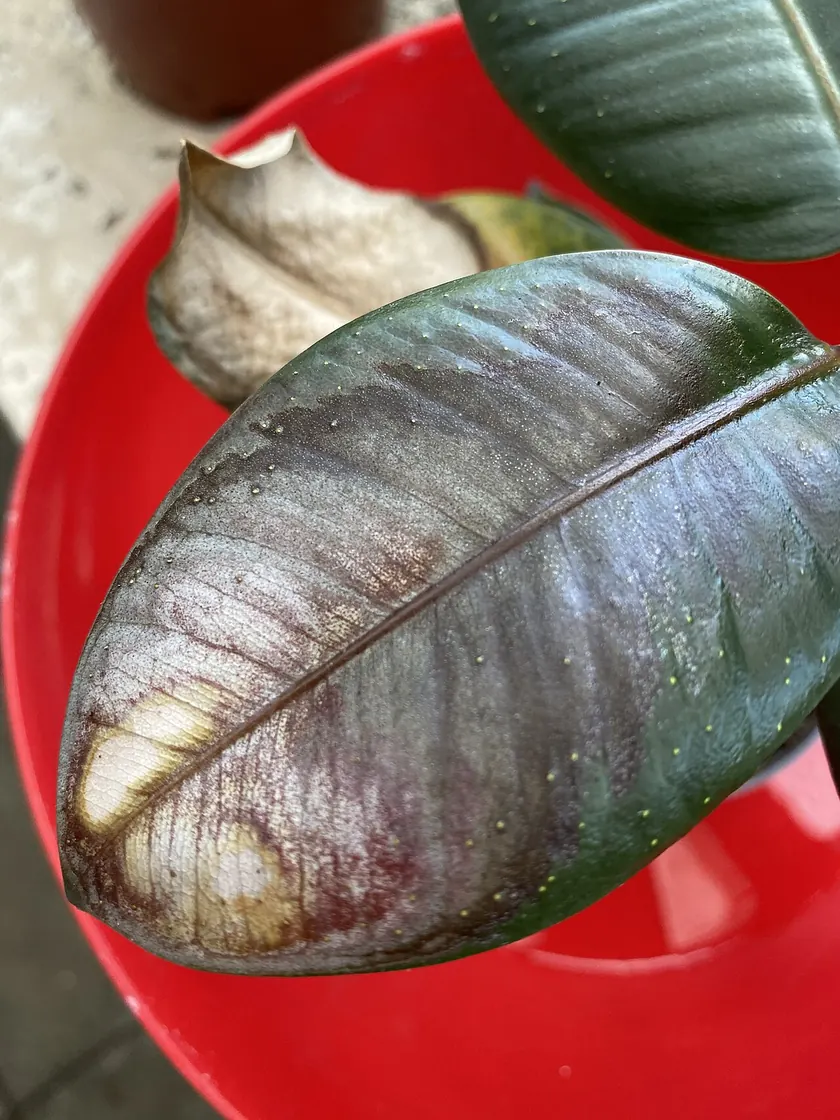
Why it happens on a aloe vera
Aloe vera grows as a rosette of thick, water-storing leaves and is adapted to bright, dry conditions. It can handle strong sun once accustomed to it, but a plant grown indoors or in shade may scorch after an abrupt move into direct rays. Its fleshy leaves hold old damage, so bleached marks usually remain even after care improves.
Likely causes, most common first
Sun scorch
How to tell. Scorch often follows a move outdoors or to a brighter window. Look for dry, bleached patches on the side facing the light, with less damage on sheltered leaves. Marks usually stay in place rather than spreading across the leaf.
What to do. Move the aloe out of the strongest direct rays, but keep it in a bright spot. Leave partly green leaves attached. If you want it in stronger sun, increase its exposure gradually and check for new marks before moving it brighter.
Pest feeding
How to tell. Pests are less likely if patches are only on the sun-facing side, but check the leaf crevices and undersides. Mealybugs can look like small white cottony clusters; scale can appear as fixed bumps. Feeding may leave pale specks or uneven discoloration.
What to do. Isolate the aloe and inspect nearby plants. Remove visible pests by hand, then wash the leaves gently and let them dry. Recheck the crevices and leaf undersides. See PlantPal's general pest guide for further steps.
Waterlogged roots
How to tell. This is less likely to cause isolated pale patches, but excess moisture can make aloe leaves yellowish or soft. Feel the mix and lift the pot; persistently damp, heavy soil is a clue. If the plant is loose, inspect roots for soft, dark areas.
What to do. Let the mix dry before watering again, and make sure excess water can drain from the pot. If roots look damaged or the mix stays wet, remove affected roots and repot in a free-draining mix in a pot with drainage.
When it is normal
A single older outer leaf may fade as new growth replaces it, and existing dry scorch marks will not turn green again. If no new patches appear, the marks can remain as cosmetic damage; keep watching the newer leaves.
Keeping it from coming back
Keep Aloe vera in a bright position, but do not move it suddenly from shade or indoor light into strong direct sun. Increase sun exposure gradually and pause if new pale marks appear. Use a free-draining mix and let it dry before watering, since wet roots can add stress.
The general guide
For any plant, see Pale patches after a move into sun. For everyday needs, see Aloe vera care.