 PlantPal
Aloe vera root rot: causes and what to check
Aloe vera root problems often follow mix that stays wet, especially when drainage is poor. First feel the mix and check whether the roots are firm or soft and breaking apart; color alone is not enough.
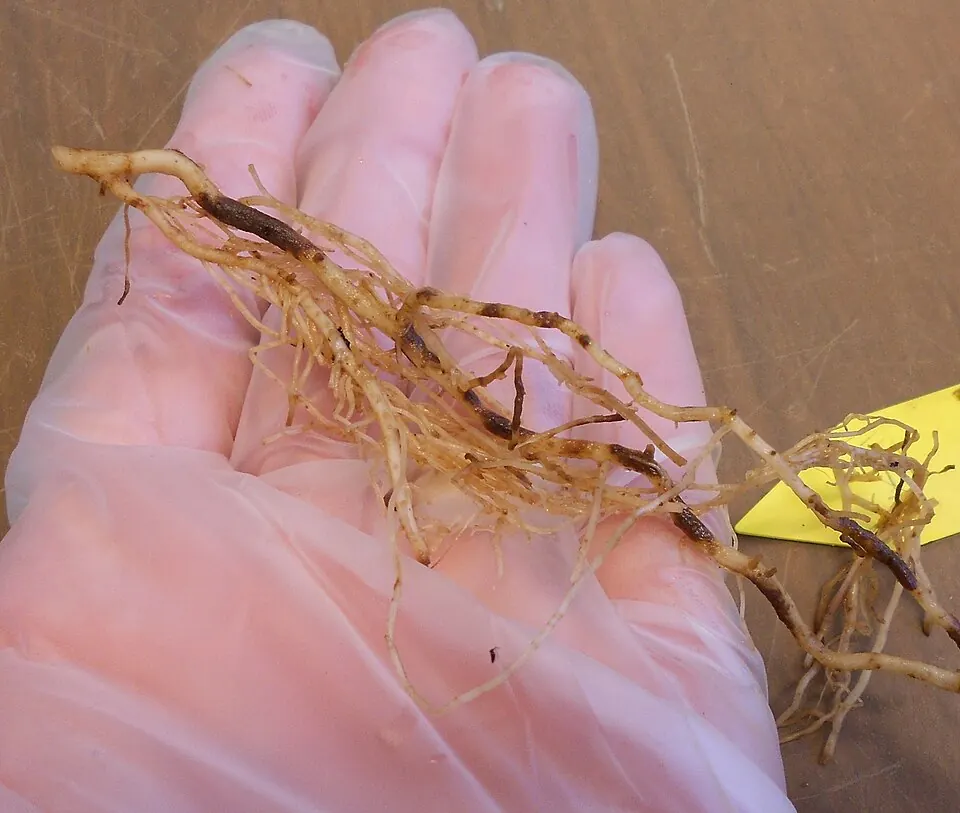
Why it happens on a aloe vera
Aloe vera is a succulent adapted to dry conditions, with thick leaves that store water and a compact rosette. Its roots take up moisture from the mix, but they do not tolerate being kept wet for long. This makes slow-drying soil, a pot without drainage, or frequent watering before the mix dries especially important to check. A thirsty-looking plant can still have wet, damaged roots.
Likely causes, most common first
Mix kept wet
How to tell. The mix stays damp below the surface and the pot remains heavy. Aloe leaves may lose firmness or the base may soften, but these signs alone do not confirm rot. Soft roots that collapse or shed their outer layer are stronger evidence.
What to do. Let the mix dry before watering again, and empty any water from the saucer or outer pot. If the plant continues to decline while the mix is wet, slide it out to inspect the roots. Trim only mushy roots and repot if firm roots remain.
Poor drainage
How to tell. After watering, water may drain very slowly or remain in the outer pot; a pot with no drainage hole traps excess moisture. The mix can stay wet at the bottom even when the surface looks dry. Root softness, not root color alone, helps assess damage.
What to do. Move the aloe to a pot with drainage holes and use a fast-draining succulent mix. If the mix is compacted or stays wet, replace it during a root check. Do not leave water in an outer pot or saucer.
Slow drying in dim or cool conditions
How to tell. In a dim or cool spot, the mix can dry more slowly, so roots remain exposed to moisture longer. Check whether the pot stays heavy and damp despite withholding water. This can contribute to root damage, but inspect roots before assuming rot.
What to do. Place the plant where it gets bright light, introducing stronger direct sun gradually. Water only after the mix has dried through, then let excess drain away. In cool, dim conditions, allow the mix to dry fully before watering again.
When it is normal
One old lower leaf can gradually dry and die as the rosette grows. This is less concerning when the base stays firm, the mix dries between waterings, and the remaining leaves remain firm. Naturally dark roots are not enough by themselves to show rot.
Keeping it from coming back
Use a pot with drainage holes and a loose, fast-draining mix suited to succulents. Feel the mix and lift the pot before watering; wait until it has dried through rather than following a calendar. Give the aloe bright light, and check that excess water can escape instead of collecting in a saucer or outer pot.
The general guide
For any plant, see Could it be root rot?. For everyday needs, see Aloe vera care.