 PlantPal
Spider plant yellow leaves: causes and what to check
Several yellowing leaves often point to roots staying too wet, especially in a pot that drains poorly. Feel the mix below the surface and check whether water can drain freely before watering again.
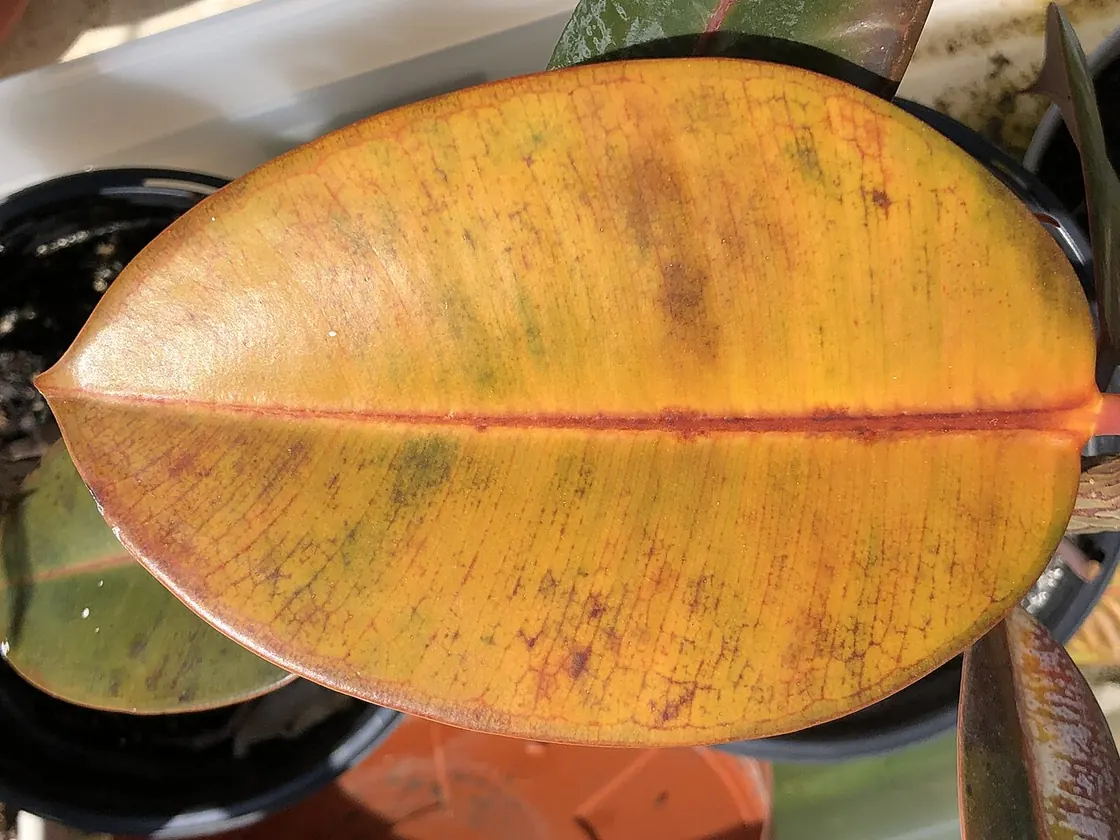
Why it happens on a spider plant
Spider plants come from tropical and southern Africa. Their arching, strap-shaped leaves grow from a central crown, and their thick, fleshy roots can store water. This helps them tolerate some dryness, but roots can suffer if the mix stays wet. Look at the whole plant: yellowing limited to older leaves is different from yellowing that is spreading to newer growth.
Likely causes, most common first
Mix staying too wet
How to tell. Feel the mix below the surface and lift the pot. A heavy pot, persistently wet mix, or water sitting in the saucer can point to excess moisture. Several yellow leaves or wilting while the mix is wet make root stress more likely.
What to do. Empty the saucer and let the mix dry somewhat before watering again. Check that the pot has drainage holes. If the mix remains soggy or the plant keeps wilting, inspect the roots and remove any that are soft or damaged before repotting in fresh, free-draining mix.
Mix too dry
How to tell. A very light pot and dry mix well below the surface can indicate the plant has gone too long without water. Leaves may look limp or lose their usual firmness. Check the mix itself rather than relying on a fixed watering interval.
What to do. If the mix is dry and water is due, water thoroughly until it drains from the pot. Let the pot drain fully. Then check the mix before watering again, since the plant’s water use changes with light, temperature, and growth.
Too little light
How to tell. If the plant is far from a window or in a dim room, growth may be slow and leaves can look pale. Check whether newer leaves are also losing color. Low light can also make the mix dry more slowly, increasing the risk of overly wet roots.
What to do. Move the plant to a brighter spot with indirect light, changing its position gradually. Keep it out of harsh direct sun, which can damage leaves. Recheck the mix before watering, as it may take longer to dry in the brighter location.
Sap-feeding pests
How to tell. Look under leaves and around the crown for insects, fine webbing, or small pale marks. Spider mites can cause a stippled, faded look. Pests are more likely if yellowing is patchy and you find insects or webbing on close inspection.
What to do. Separate the plant from nearby plants. Wipe or rinse the leaves, including their undersides, to remove pests, and check again as new growth appears. See the general pest guide for more steps if insects persist.
When it is normal
One or a few of the oldest lower leaves may turn yellow as the plant grows. If the leaves above stay firm and green and new growth looks healthy, remove the old leaves at the base and keep observing.
Keeping it from coming back
Use a pot with drainage holes and empty its saucer after watering. Feel the mix below the surface before watering, and let excess water drain away. Give the plant bright, indirect light. Check the leaf undersides when you inspect it, and respond to changes in the mix and new growth rather than following a fixed watering schedule.
The general guide
For any plant, see Why are leaves turning yellow?. For everyday needs, see Spider plant care.