 PlantPal
Monstera yellow leaves: causes and what to check
On Monstera, several yellow leaves often point to potting mix staying wet too long, especially when drainage or light is limited. First feel the mix below the surface and check whether the pot drains freely.
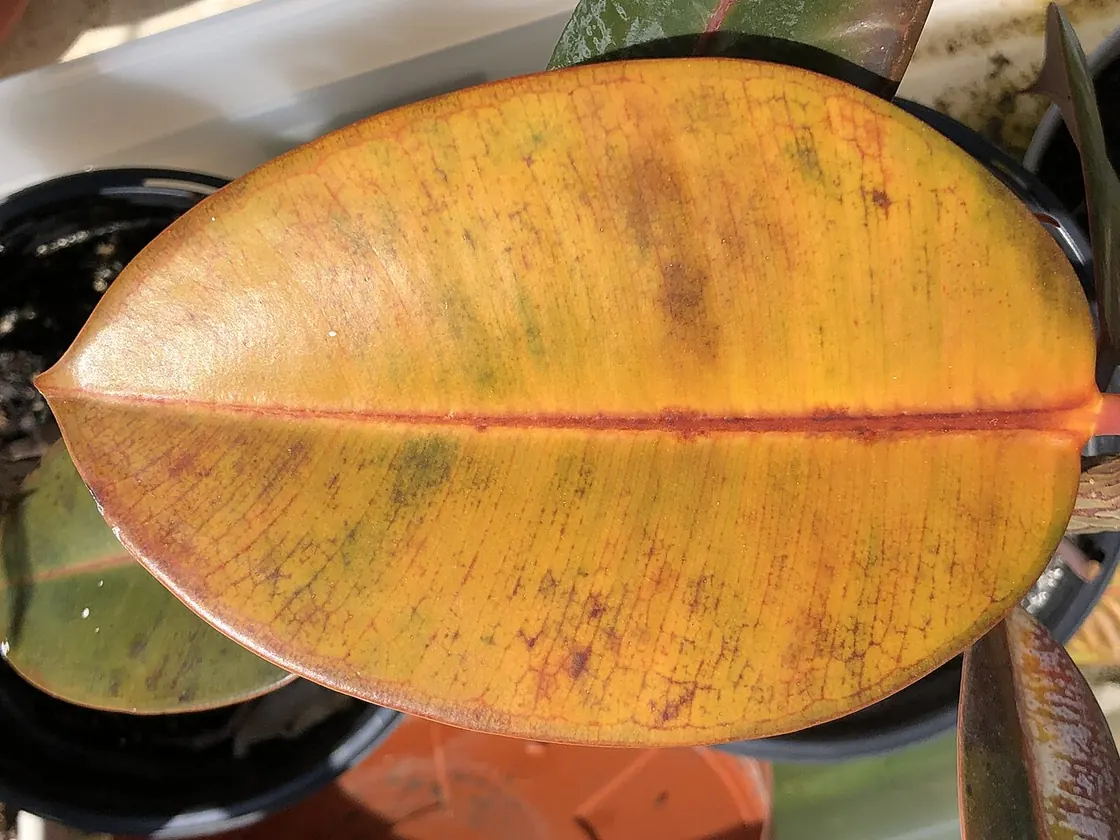
Why it happens on a monstera
Monstera deliciosa is a tropical climbing vine that grows in forest understories and climbs using aerial roots. Indoors, its roots need a mix and pot that drain well; mix that stays wet can stress them. Its large leaves develop as the plant grows, so an older lower leaf may yellow as newer growth remains healthy.
Likely causes, most common first
Mix staying too wet
How to tell. Feel several centimetres into the mix and lift the pot. If the mix is damp and the pot feels heavy long after watering, or several leaves are yellowing, excess moisture may be stressing the roots. Check that water can escape through open drainage holes.
What to do. Empty any saucer or outer pot and let the mix dry somewhat before watering again. Water thoroughly when the upper part of the mix has dried, then let the pot drain. If it stays wet or the plant wilts, check the roots and consider a fresh, free-draining mix.
Normal aging of an older leaf
How to tell. A single leaf low on the plant may yellow gradually as it ages, while newer leaves and the rest of the plant look healthy. This is less likely to explain several leaves yellowing at once or yellowing near the growing tip.
What to do. Watch the plant for new changes and check the mix before changing your care. Once the leaf is fully yellow, you can remove it with clean scissors near its stem. Avoid removing green leaves that are still healthy.
Too little light
How to tell. In a dim spot, Monstera growth can slow and the mix may take longer to dry. Check whether the plant has been moved away from a window and whether new growth is sparse. Low light alone is not proof of the cause.
What to do. Move the plant gradually to a brighter spot with indirect light. Avoid placing it straight into strong direct sun, which can scorch leaves. Keep checking the mix, since it may dry at a different rate after the move.
Sap-feeding pests
How to tell. Look under leaves and along stems for insects, sticky residue, pale stippling, or fine webbing. Pests are more likely if damage appears on several leaves and you can find signs on the plant. Check nearby plants as well.
What to do. Separate the Monstera from nearby plants. Wipe visible insects from leaves and stems, then rinse the foliage gently, including the undersides. Recheck the plant and nearby plants. See the general pest guide for further steps.
When it is normal
One oldest lower leaf yellowing gradually can be part of normal growth when the rest of the plant looks healthy. Several yellow leaves, yellowing newer leaves, or wilting alongside wet mix call for closer checks.
Keeping it from coming back
Use a pot with drainage holes and a mix that drains freely. Before watering, feel below the surface and lift the pot to judge how much moisture remains; water thoroughly only when the mix has dried enough. Empty standing water, give the plant bright indirect light, and inspect leaf undersides regularly.
The general guide
For any plant, see Why are leaves turning yellow?. For everyday needs, see Monstera care.