 PlantPal
Monstera root rot: causes and what to check
Root trouble in Monstera often follows potting mix that stays wet and short of air. First feel the mix and check that excess water can drain; if it is wet and the plant wilts, inspect roots for softness.
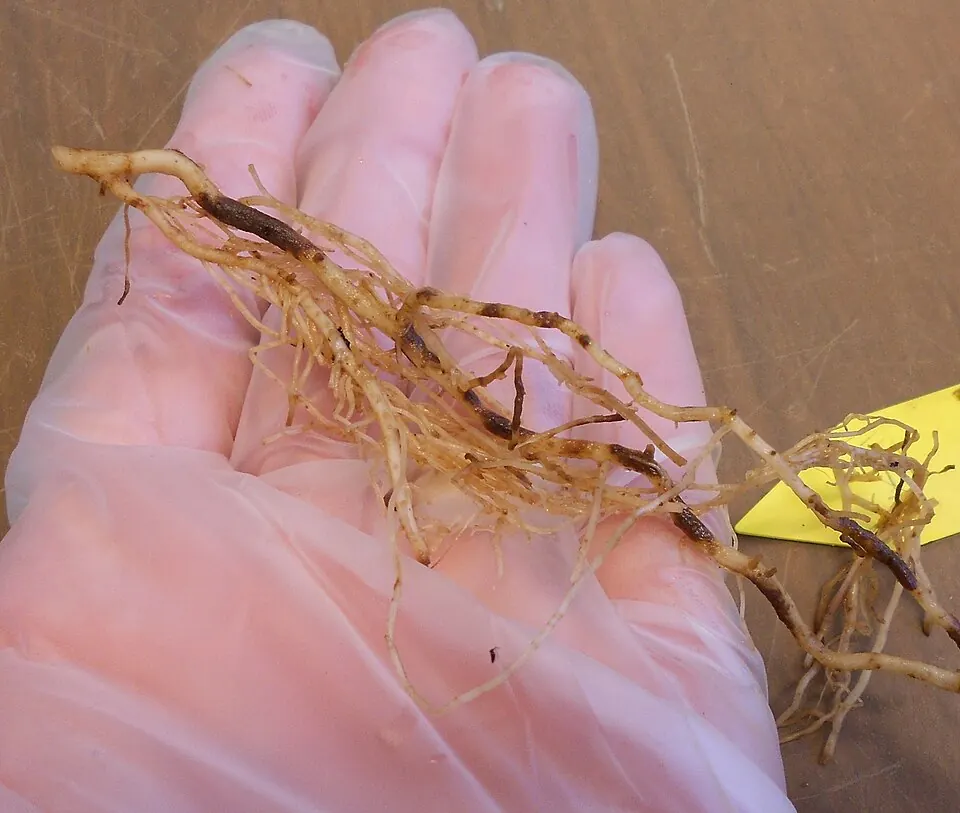
Why it happens on a monstera
Monstera deliciosa is a tropical climbing aroid from Central America. In nature, it grows up tree trunks, with roots that anchor it and take up moisture. Indoors, its large leaves can lose water while roots still need air in the potting mix. Mix that remains saturated can limit oxygen around roots. Naturally dark root surfaces alone do not show rot.
Likely causes, most common first
Mix staying wet
How to tell. Feel the mix several centimetres down and lift the pot. If it stays heavy and wet while leaves droop or yellow, roots may be stressed. Slide out the root ball if practical. Soft roots that collapse or whose outer layer slips off are stronger evidence than dark color.
What to do. Do not water again while the mix is wet, and empty any water in the saucer. If the mix is drying very slowly, check drainage and roots. Trim only clearly mushy roots with clean shears, then repot the firm roots in fresh, airy mix.
Poor drainage or standing water
How to tell. Check for drainage holes and see whether water runs freely out after watering. Look for a pot sitting in water inside a cachepot or saucer. A blocked hole or standing water can keep the lower root ball wet even when the surface looks dry.
What to do. Clear blocked holes if possible, and pour away collected water. Use a pot with drainage holes, sized to the remaining root ball. Do not leave the nursery pot standing in water; check the mix before watering again.
Dense or compacted potting mix
How to tell. If water pools on top, runs down the pot edges, or the root ball remains wet long after watering, the mix may be compacted or degraded. Check inside the root ball, not only the top layer, because its center can stay wet.
What to do. If roots are mostly firm, repot into fresh, airy potting mix in a clean pot with drainage. Gently loosen mix that comes away easily, but avoid damaging healthy roots. Choose a pot that is only slightly larger than the root ball.
Cool or dim conditions slowing drying
How to tell. In a cool or dim spot, Monstera often uses water more slowly. If the mix takes much longer to dry after a change in season or location, and the pot stays heavy, the roots may be spending too long in wet conditions.
What to do. Move the plant to a brighter spot with indirect light and keep it away from cold drafts. Let the mix dry more between waterings when growth is slow. Keep checking the pot rather than following the same watering rhythm all year.
When it is normal
One older lower leaf gradually yellowing and dying can be normal as Monstera replaces old foliage, especially if the rest of the plant is firm and the mix dries normally. This alone does not confirm root rot.
Keeping it from coming back
Use a pot with open drainage holes and airy, free-draining potting mix. Water thoroughly, then let excess drain and wait until the upper mix has dried before watering again; check deeper for a large pot. Adjust to light, temperature, and drying rather than a fixed calendar, and keep the pot out of standing water.
The general guide
For any plant, see Could it be root rot?. For everyday needs, see Monstera care.