 PlantPal
Monstera leaves curling: causes and what to check
On Monstera, curling often follows a mix that has become too dry, though pests and root stress can look similar. First inspect the newest leaves and their undersides, then feel the mix before changing watering.
Why it happens on a monstera
Monstera deliciosa is a tropical climbing plant with large leaves. New leaves emerge tightly rolled and gradually unfurl, so a curl on a fresh leaf can be part of normal growth. Its broad leaves can also respond to water stress, heat, or pests. Aerial roots and a climbing habit are normal; curling alone does not show that roots are unhealthy.
Likely causes, most common first
Dry potting mix
How to tell. Feel the mix several centimetres below the surface and lift the pot. A dry, light pot together with curling or drooping leaves can point to a lack of water. The mix may have pulled away from the pot’s edges.
What to do. If the mix is dry, water it thoroughly until excess drains from the holes. Empty the saucer, then let the upper part of the mix dry before watering again. Check the mix rather than following a fixed-day schedule.
Pests on new growth
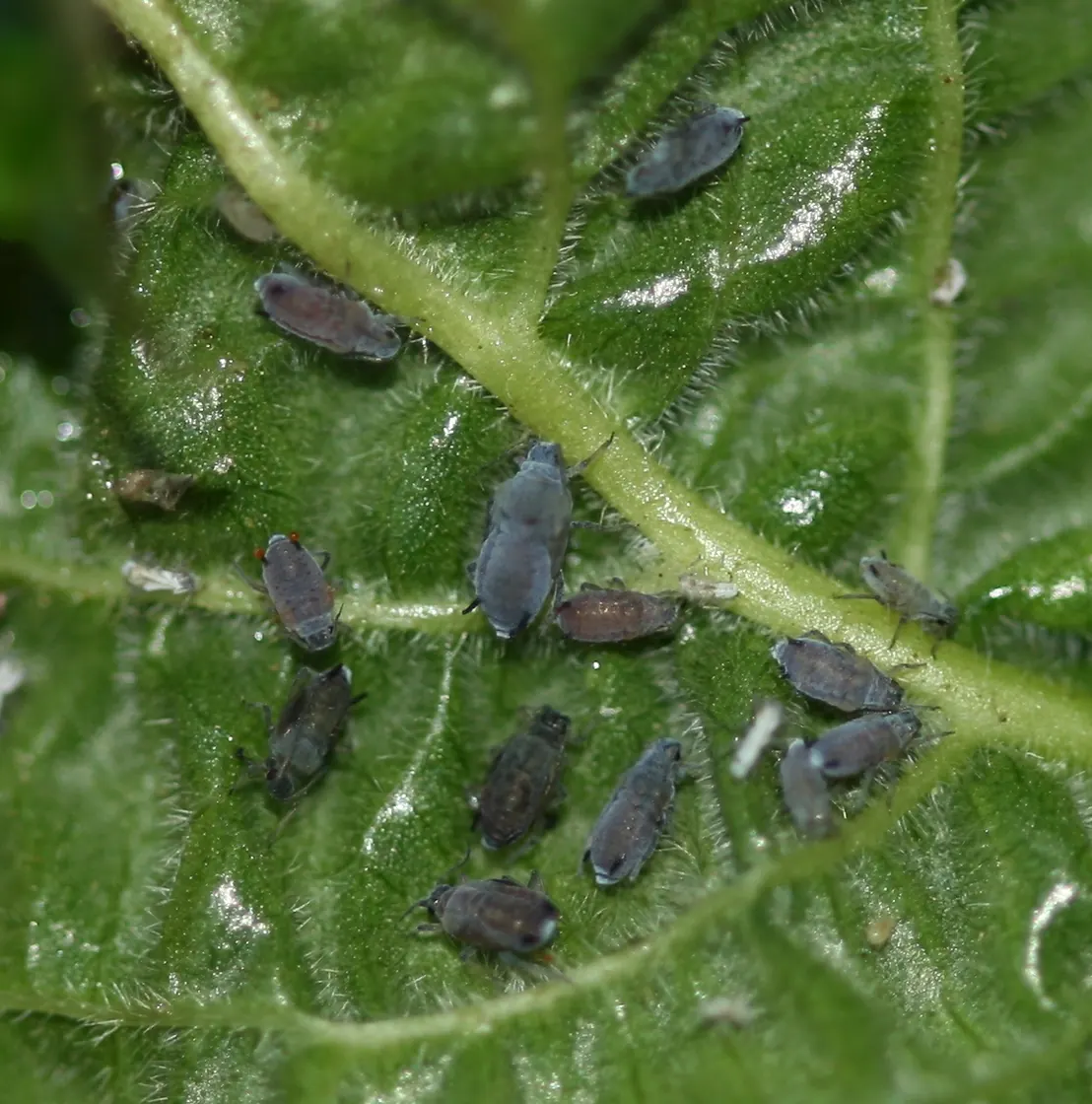
How to tell. Look inside curled leaves and along their undersides, stems, and leaf joints. Thrips can leave silvery or scarred patches and tiny dark specks; mites can cause fine stippling or webbing. Sticky residue can also be a clue to pests.
What to do. Separate the plant from others. Remove visible insects by hand and wash the leaves, including their undersides. Recheck new growth and use the general pest guide to choose further steps. Avoid treating leaf curl alone as proof of pests.
Wet mix or root stress
How to tell. A pot that stays heavy and wet, especially with yellowing leaves or a sour smell, can indicate poor drainage or stressed roots. If you inspect the roots, healthy ones are usually firm; dark, soft roots can be a sign of damage.
What to do. Check that the pot has drainage holes and that water is not sitting in its saucer. Let the mix dry partly before watering again. If roots are soft or the mix stays soggy, remove damaged roots and repot in a well-draining mix.
Heat, harsh sun, or a cold draft
How to tell. Curling can follow a recent move near a hot window, radiator, or air-conditioning vent. Check whether the affected leaves receive strong direct sun or sit in a cold draft. Look for a pattern on leaves facing the same direction.
What to do. Move the Monstera to a bright place with indirect light, away from hot air and cold drafts. Keep conditions steady and watch how the next leaves open. Avoid making several care changes at once so you can see what helps.
When it is normal
A new Monstera leaf often stays rolled while it develops, then opens gradually. One older lower leaf may also curl as it ages. Check whether the leaf continues to unfurl and whether the rest of the plant looks stable.
Keeping it from coming back
Use a pot with drainage holes and a mix that drains freely. Feel the mix and lift the pot before watering; water when the upper part has dried, rather than on a fixed schedule. Keep the plant in bright indirect light, away from temperature extremes. Inspect new leaves and their undersides regularly.
The general guide
For any plant, see Why are the leaves curling?. For everyday needs, see Monstera care.