 PlantPal
ZZ plant root rot: causes and what to check
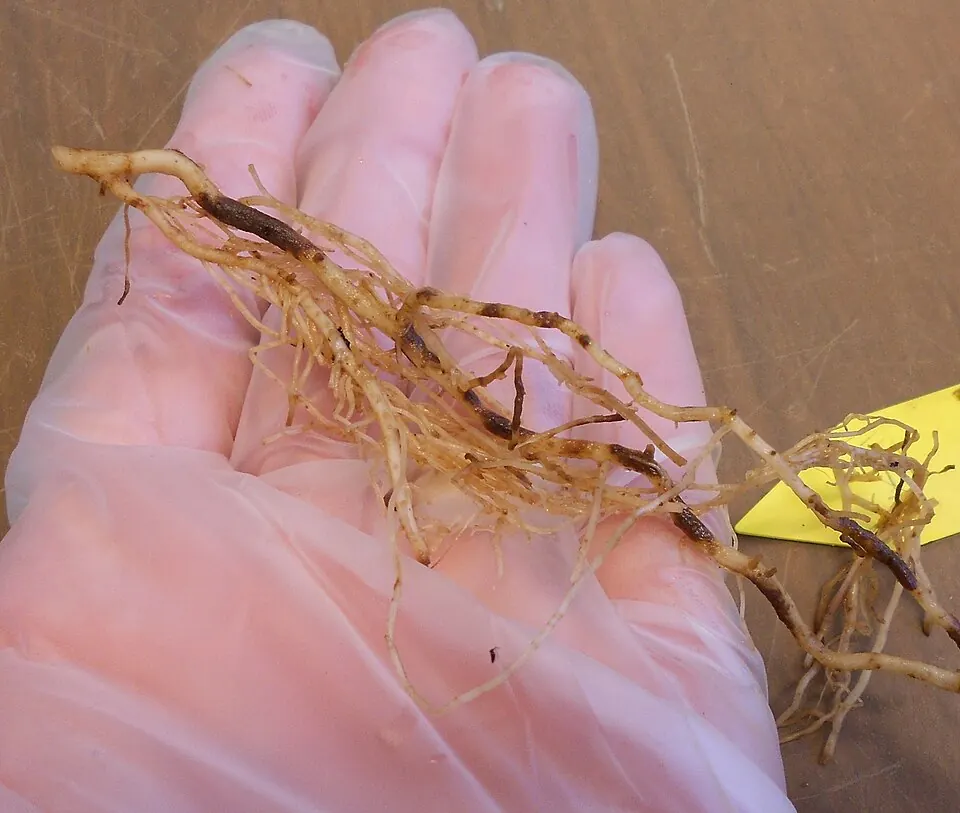
ZZ plants store water in thick rhizomes and can stay wet too long, so excess watering is a common trigger for root rot. First, feel the mix and inspect roots for softness, not just dark color.
Why it happens on a zz plant
ZZ plant is native to eastern Africa and grows from thick underground rhizomes that store water. Its upright, fleshy leaf stalks and waxy leaflets also tolerate dry spells. This storage makes persistently wet soil a bigger risk than brief dryness: roots and rhizomes can soften when the mix stays saturated, especially in a pot that drains poorly.
Likely causes, most common first
Watering before the mix dries
How to tell. The mix feels wet well below the surface, and the pot stays heavy. Yellowing or softening stems can occur, but they do not confirm rot. If the plant slips out easily, mushy roots or rhizomes are a stronger clue than dark coloring.
What to do. Stop watering while the mix is wet and empty any standing water. Check the root ball if it comes out easily. If roots or rhizomes are mushy, trim only the soft parts with clean shears and repot in fresh mix in a clean pot with drainage.
Dense or slow-draining potting mix
How to tell. Even with modest watering, the mix may remain damp for a long time or feel compacted. Check whether water drains freely from the pot. Persistent wetness together with soft roots or rhizomes makes rot more likely.
What to do. If the mix is compacted or stays wet, inspect the roots and rhizomes. Remove only mushy tissue with clean shears, then use fresh, well-draining potting mix. Choose a pot with drainage holes so excess water can escape.
Water trapped in a cover pot or saucer
How to tell. The nursery pot may be sitting in water inside a decorative cover pot, or water may remain in the saucer after watering. Check the bottom of the pot and feel the mix; roots can suffer if water cannot drain away.
What to do. Pour out trapped water and let the pot drain fully before returning it to its cover. Keep the pot out of standing water. If the mix has stayed wet and roots feel soft, inspect and repot as needed, removing only mushy parts.
Slow drying in dim or cool conditions
How to tell. The mix may take much longer to dry after the plant is moved to a dimmer or cooler spot. ZZ plants tolerate low light, but growth and water use can slow. Check the mix and roots rather than relying on yellow leaves alone.
What to do. Move the plant to a brighter spot with indirect light if practical, and let the mix dry well before watering again. Avoid a cold, persistently damp location. If roots or rhizomes are mushy, remove only the soft tissue and repot in fresh mix.
When it is normal
A single oldest stem can yellow and die as growth renews, especially if the others remain firm and the mix dries normally. This alone does not show root rot; soft, collapsing roots or rhizomes are more telling.
Keeping it from coming back
Feel the mix before watering and wait until it has dried well, rather than following a fixed schedule. Use a pot with open drainage holes and empty its saucer or cover pot after water drains through. A brighter spot with indirect light can help the mix dry at a steadier pace.
The general guide
For any plant, see Could it be root rot?. For everyday needs, see ZZ plant care.