 PlantPal
ZZ plant brown tips and edges: causes and what to check
On a ZZ plant, brown tips or edges often follow a very dry root ball or fertilizer salt buildup. Check moisture below the surface and any recent feeding before changing humidity, which this plant usually tolerates well.
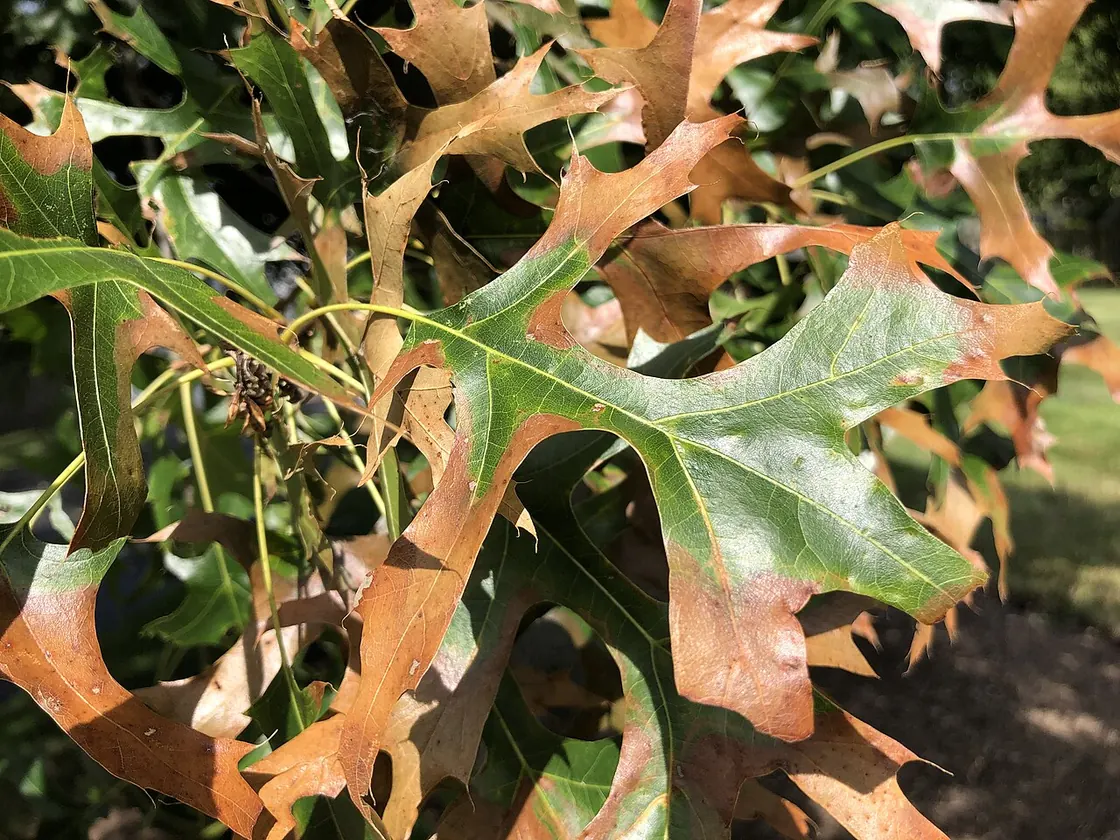
Why it happens on a zz plant
ZZ plants come from eastern Africa, where they grow with periods of limited water. Their thick underground rhizomes and fleshy roots store water, so they can tolerate dry spells but are vulnerable to prolonged wet mix. Their firm, waxy leaflets also cope with ordinary indoor air, making low humidity a less likely first explanation for brown edges.
Likely causes, most common first
Very dry root ball
How to tell. Feel the mix below the surface and lift the pot. If the mix is dry through much of the pot and the pot feels unusually light, prolonged dryness may be contributing. This can happen when the plant is left dry for a long stretch.
What to do. If the mix is dry and the plant is due for water, water thoroughly until excess drains, then empty the saucer. Let the mix dry well before watering again. Check the root ball rather than following a fixed schedule.
Fertilizer salt buildup
How to tell. A pale or crusty deposit on the mix or pot rim, along with recent or frequent feeding, can point to accumulated salts. Brown tips may appear on several leaflets. The crust alone is not proof, so also check how wet or dry the mix is.
What to do. Pause feeding while you observe new growth. If the pot drains freely and the mix is not already wet, water enough to flush through the pot and discard the runoff. Avoid adding fertilizer to dry mix, and resume lightly only during active growth.
Mix staying wet too long
How to tell. If the mix remains damp for a long time, the pot feels heavy, or leaves are yellowing or soft as well as browning, roots may be under stress. Check that the pot has drainage and that it is not sitting in collected water.
What to do. Empty standing water and let the mix dry well before watering again. If it stays wet or the plant continues to decline, slide it out to inspect the roots and rhizomes. Trim any soft, dark, damaged parts and repot in fresh, free-draining mix.
Direct sun or hot airflow
How to tell. Dry, crispy patches on the side facing a sunny window, heater, or vent can suggest localized heat or sun stress. Check whether the damage is concentrated on exposed leaflets, rather than appearing evenly across the plant.
What to do. Move the plant out of direct hot or cold airflow and away from intense direct sun. Choose a spot with indirect light, then observe the next leaves. Existing brown tissue will not turn green again.
When it is normal
One older lower leaf or leaflet may yellow, dry, and brown as the plant ages. If the change is limited to that older growth and newer leaves remain firm and green, it may not signal a broader care problem.
Keeping it from coming back
Use a pot with drainage and a free-draining mix. Before watering, feel below the surface and lift the pot; water when the mix has dried well, then empty runoff. Keep the plant out of intense direct sun and heater or vent airflow. Feed sparingly during active growth, and check the mix for crusting.
The general guide
For any plant, see Brown leaf tips and edges. For everyday needs, see ZZ plant care.